What the mountain doesn’t tell you—and what you need to know before you pack.
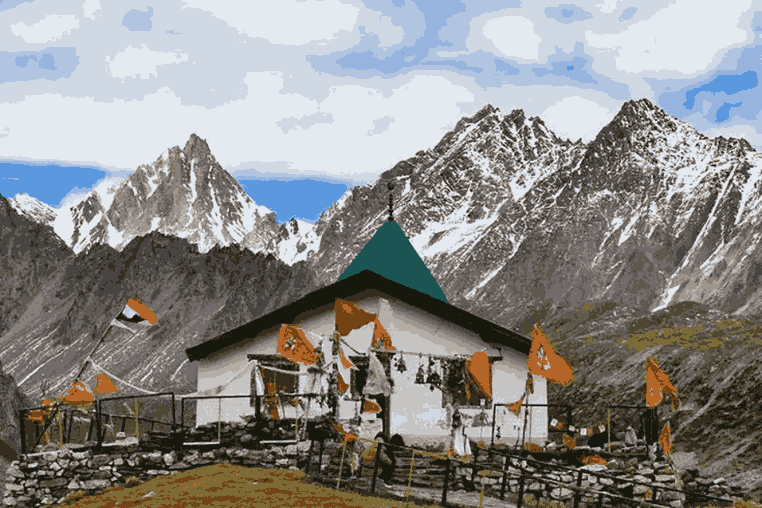
Adi Kailash is located in the remote northeastern part of Uttarakhand, near the India-Tibet border. Moreover, it is one of the most sacred and beautiful places in the Himalayas. Often called Chhota Kailash, it is similar to Mount Kailash in Tibet, but less crowded and more peaceful.
Before planning your journey, however, there is one important thing to understand—the weather. At Adi Kailash, the weather is not just part of the trip, it plays a major role in your entire experience. Understanding the Adi Kailash temperature is essential before you travel.
Spring
March · April · May (−2°C to 15°C)
As winter ends, spring slowly arrives at Adi Kailash. At the same time, the frozen land starts coming back to life. Mornings are still cold, with temperatures between −2°C to 5°C, but afternoons become more comfortable, During this season, the Adi Kailash temperature ranges from −2°C to 15°C, making it a pleasant time to visit.
Flowers like rhododendrons start blooming, and the snow begins to melt from the trails. The air feels fresh and clean, making the place look even more beautiful.
April and May are a great time to visit if you want nice views without too many crowds. However, the weather can still be unpredictable, with occasional rain and even some snowfall at higher places.
Summer
June · July · August (5°C to 20°C)
By June, summer starts at Adi Kailash. However, it is very different from the usual summer. The Adi Kailash temperature during summer stays between 5°C to 20°C, which is ideal for trekking.
However, in July and August, the monsoon season begins. During this period, there is heavy rain, rivers get full, and there is a risk of landslides on mountain roads. The weather becomes cloudy, and it is harder to see the mountains clearly. Trails can also become slippery and difficult.
Despite this, many pilgrims and travelers visit during this time because the Yatra is open. If you get a clear day, the view of Adi Kailash looks beautiful and is worth the effort. Just make sure to be prepared and keep your plans flexible.
Autumn
September · October · November (−5°C to 15°C)
In fact, many experienced trekkers say that September and October are the best months to visit Adi Kailash. During autumn, the Adi Kailash temperature ranges from −5°C to 15°C, with clear skies and stunning mountain views.
During the day, the temperature stays between 8°C and 15°C, which feels comfortable. But at night, it can drop to 0°C or below, especially in October.
The surroundings look beautiful with soft golden colors, and the air feels fresh and clean. There are also fewer people compared to the summer season, so the place feels more peaceful.
By November, it starts getting much colder, and snowfall can begin in higher areas. So it’s important to plan your trip at the right time.
Winter
December · January · February (−20°C to 0°C)
Winter at Adi Kailash is very harsh. In fact, it is not suitable for most travelers. The Adi Kailash temperature in winter drops to −20°C, making the region extremely cold and inaccessible.
Heavy snowfall blocks the roads, and important mountain routes like Lipu Lekh are closed. The Yatra also stops during this time, and reaching the area becomes very difficult.
Only a few experienced travelers visit nearby lower places like Gunji or Dharchula. In winter, the mountains are covered with snow, everything is quiet, and the sky is full of stars, creating a peaceful but extreme environment.
If you plan to visit in winter, proper preparation and guidance from local experts are very important.
The Altitude Factor
Why altitude changes everything
Adi Kailash sits at roughly.
6,191 metres, and the trekking routes pass through elevations ranging from 1,800m to over 3,600m. As a result, the Adi Kailash temperature drops significantly with altitude. For example, temperature drops approximately 6°C for every 1,000 metres. So even on a warm spring afternoon in the valley, the higher camps can be dramatically colder. Wind chill at exposed ridges can make the felt temperature 5–10°C lower still. Never judge the mountain by what it looks like from the valley.
What to Pack — By Season
Layering is your best friend in the Himalayas. Since the Adi Kailash temperature changes rapidly, carrying proper layered clothing is essential.
Spring
- Thermal base layers
- Mid-weight fleece
- Waterproof jacket
- Trekking trousers
- Gloves & a warm hat
- Sunscreen (high SPF)
Summer
- Light moisture-wicking layers
- Sturdy rain gear
- Waterproof trekking boots
- Fleece for evenings
- Quick-dry clothing
- Trekking poles
Autumn
- Warm base layers
- Heavy fleece or down jacket
- Windproof outer shell
- Insulated gloves
- Woollen socks (x3)
- Headlamp & warm beanie
Winter
- Expedition-grade down jacket
- Multiple thermal layers
- Balaclava & goggles
- Insulated boots (−20°C rated)
- Hand warmers
- Emergency shelter kit
Plan Smart, Trek Safe
Adi Kailash is the kind of place that rewards patience and preparation. The best windows for most travellers are late April to early June and September to mid-October — when the skies are clear, the roads are passable, and the mountain is at its most magnificent. Whatever season you choose, always check current road conditions, carry appropriate gear, and ideally travel with an experienced local guide.
Remember: these are general temperature guides — actual conditions can vary year to year, and the Himalayas have a way of surprising even the most seasoned adventurers. The cold is real, the altitude is humbling, and the beauty is absolutely worth it. Pack well, move slowly, and let Adi Kailash reveal itself at its own pace.
Temperature ranges are approximate and may vary year to year. Always consult local authorities and check road/weather conditions before travel.
Challenges of Cold Weather at Adi Kailash
Traveling to Adi Kailash is more than just enjoying scenic beauty. The low Adi Kailash temperature combined with high altitude creates real challenges for travelers. Cold nights, strong winds, and limited heating can make conditions tough.
- Freezing Nights
- Temperatures drop to 0°C or below, even in summer.
- Poor insulation makes nights feel harsher.
- Strong Cold Winds
- Feels 5–10°C colder due to wind chill
- Causes dryness and discomfort
- Limited Heating
- Most stays have little or no heating.
- You must rely on your own warm layers.
- Cold + Altitude Impact
- Faster exhaustion and breathing difficulty
- The risk of altitude sickness increases.
Conclusion
Adi Kailash is not just a destination—it’s an experience shaped by extreme cold, high altitude, and raw Himalayan beauty. No matter the season, temperatures here remain low, and conditions can change quickly, especially after sunset.
Understanding the Adi Kailash temperature throughout the year helps you choose the right time to visit and prepare accordingly. While April to June offers the most comfortable conditions, September to October rewards travelers with clear skies and stunning views—though with colder nights.
The key to enjoying this journey lies in proper preparation. Packing the right layers, staying aware of weather conditions, and respecting the altitude can make all the difference between a difficult trip and a truly memorable one.
Come prepared for the cold, and Adi Kailash will reward you with one of the most peaceful and breathtaking experiences in the Himalayas.
