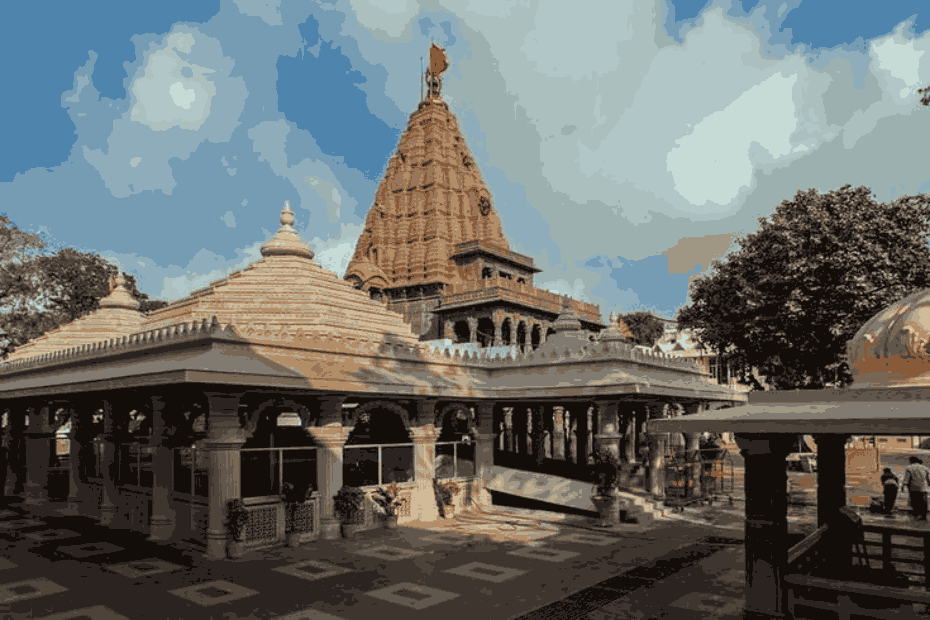
The 12 Jyotirlingas of Lord Shiva are among the most powerful spiritual destinations in India. The word Jyotirlinga comes from “Jyoti” (light) and “Linga” (symbol of Shiva), meaning the radiant form of Lord Shiva appearing as an infinite pillar of light.
According to the Shiva Purana, these 12 places mark where Lord Shiva manifested himself as a divine light to bless his devotees. Therefore, devotees believe that visiting all 12 Jyotirlingas—known as the Jyotirlinga Yatra—removes sins, fulfills wishes, and leads toward moksha (liberation).
This detailed guide includes exact locations, mythology, temple architecture, rituals, best time to visit, and travel insights for each Jyotirlinga—making it useful for both pilgrims and travelers.
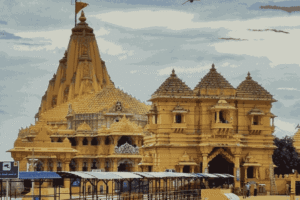
1. Somnath Jyotirlinga
Location: Prabhas Patan, Gujarat
History & Mythology
To begin with, Somnath stands as the first Jyotirlinga. According to legend, the Moon God (Chandra) received a curse from Daksha and then worshipped Lord Shiva here to regain his brightness. As a result, this place became a symbol of divine healing and grace; moreover, it continues to inspire deep faith among devotees.
Significance
- Firstly, it represents eternal faith despite multiple invasions
- Additionally, it is mentioned in ancient texts and historical records
Unique Features
- Notably, it is located on the Arabian Sea coast
- Moreover, it is famous for its Sound & Light Show narrating its history
Travel Tips
- Ideally, the best time to visit is October to March
- For convenience, the nearest airport is Diu
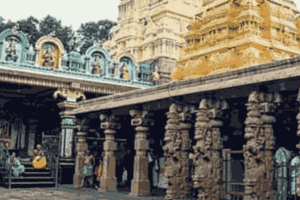
2. Mallikarjuna Jyotirlinga
Location: Srisailam, Andhra Pradesh
History & Mythology
According to legend, Lord Shiva and Goddess Parvati came to Srisailam to stay close to their son Kartikeya, who had distanced himself from them. Thus, this place symbolizes parental love, compassion, and divine presence.
Significance
- Importantly, it is one of the rare temples where Shiva and Shakti are worshipped together
- Furthermore, visiting this Jyotirlinga is believed to be equal to visiting all 12 Jyotirlingas
Unique Features
- Notably, the temple is situated in the dense forests of the Nallamala Hills, offering a peaceful environment
- In addition, it is located near the sacred Krishna River, enhancing its spiritual importance
Travel Tips
- Ideally, the best time to visit is from October to February due to pleasant weather
- Overall, it is perfect for those seeking a combination of spiritual experience and natural beauty
3. Mahakaleshwar Jyotirlinga
Location: Ujjain, Madhya Pradesh
History & Mythology
According to mythology, Lord Shiva manifested as Mahakaal (the Lord of Time) to protect his devotees from a powerful demon named Dushana. Thus, this Jyotirlinga represents Shiva’s role as a protector and destroyer of evil.
Significance
- Notably, it is the only south-facing Jyotirlinga, which is considered highly powerful
- Moreover, it is famous for the unique Bhasma Aarti, where sacred ash is offered to the deity
Unique Features
- Importantly, the temple is associated with time, death, and cosmic power, reflecting the form of Mahakaal
- In addition, Ujjain is one of the Sapta Puri (seven sacred cities) in Hinduism
Travel Tips
- For a better experience, it is recommended to book the Bhasma Aarti in advance
- Additionally, visiting during Mahashivratri offers a grand and spiritually vibrant celebration
4. Omkareshwar Jyotirlinga
Location: Mandhata Island, Madhya Pradesh
History & Mythology
According to ancient beliefs, this Jyotirlinga was formed after intense prayers by the Devas (gods) seeking Lord Shiva’s help to defeat powerful demons. As a result, Lord Shiva appeared here in the form of Omkareshwar, blessing the region with divine energy.
Significance
- Notably, the island on which the temple is situated is naturally shaped like the sacred symbol ॐ (Om)
- Therefore, it is considered a place of strong spiritual vibrations and deep meditation energy
Unique Features
- Interestingly, the temple is surrounded by the holy Narmada River, adding to its peaceful and sacred atmosphere
- In addition, there are two important temples here: Omkareshwar and Mamleshwar, both of which are considered spiritually significant
Travel Tips
- Ideally, the best time to visit is during winter (October to March) when the weather is pleasant
- Moreover, visitors can enjoy boating in the Narmada River, which offers beautiful views of the temple and surroundings
Overall, Omkareshwar is a perfect blend of spirituality, natural beauty, and peaceful surroundings, making it a must-visit Jyotirlinga.
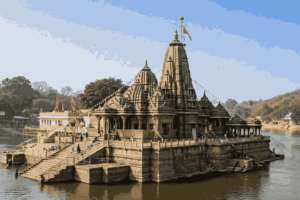
5. Kedarnath Jyotirlinga
Location: Uttarakhand
History & Mythology
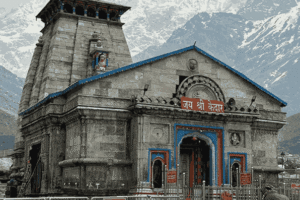
According to Hindu mythology, the Kedarnath temple was built by the Pandavas after the Mahabharata war to seek forgiveness for their sins. It is believed that Lord Shiva, initially avoiding them, later appeared here in the form of a Jyotirlinga to bless them. Thus, Kedarnath became a symbol of repentance and divine forgiveness.
Significance
- Importantly, Kedarnath is a key part of the Char Dham Yatra, making it one of the most sacred pilgrimage sites in India
- Moreover, it is one of the highest Jyotirlingas, located at an altitude of about 3,583 meters
Unique Features
- Notably, the temple is surrounded by the majestic snow-covered Himalayas, offering a breathtaking and spiritual atmosphere
- Additionally, it remains open only for six months (May to November) due to extreme winter conditions
Travel Tips
- To reach the temple, pilgrims need to complete a 16–18 km trek from Gaurikund
- Alternatively, helicopter services and pony/palki options are available for convenience
- Furthermore, it is advisable to check weather conditions and register in advance for a safe journey
Overall, Kedarnath offers a powerful combination of devotion, adventure, and natural beauty, making it one of the most unforgettable Jyotirlinga experiences.
6. Bhimashankar Jyotirlinga
Location: Maharashtra (near Pune, in the Sahyadri Hills)
History & Mythology
Significance
Unique Features
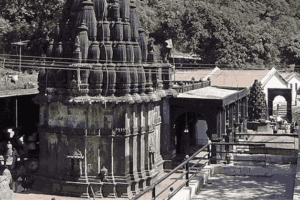
- Notably, the temple is located inside the Bhimashankar Wildlife Sanctuary, surrounded by dense forests and rich biodiversity
- In addition, it is a popular trekking destination, especially for nature lovers and adventure seekers
Travel Tips
- Ideally, the best time to visit is from October to February for pleasant weather
- However, visiting during the monsoon offers lush greenery, though trekking paths can be slippery
- Additionally, comfortable walking shoes are recommended for the trek
Overall, Bhimashankar Jyotirlinga offers a unique blend of spirituality, wildlife, and adventure, making it a must-visit destination for both devotees and travelers.
7. Kashi Vishwanath Jyotirlinga
Location: Varanasi, Uttar Pradesh
History & Mythology
According to ancient beliefs, Kashi (Varanasi) stands as the eternal city of Lord Shiva, where he resides forever. Moreover, Lord Shiva himself whispers the Taraka Mantra in the ears of devotees at the time of death; thus, he guides them toward liberation.
Significance
- Most importantly, it is believed that visiting Kashi Vishwanath grants moksha (liberation from the cycle of birth and death)
- Moreover, it is one of the most visited and spiritually powerful temples in India
Unique Features
- Notably, the temple is located close to the sacred Ganga Ghats, especially Dashashwamedh Ghat, where the famous Ganga Aarti takes place
- In addition, the newly developed Kashi Vishwanath Corridor has improved accessibility, connecting the temple directly to the riverfront
- Furthermore, the temple has a rich history of reconstruction and continues to be a center of devotion and culture
Travel Tips
- Ideally, the best time to visit is from October to March for comfortable weather
- Additionally, attending the Ganga Aarti in the evening enhances the spiritual experience
- For convenience, plan your darshan early in the morning to avoid heavy crowds.
Overall, Kashi Vishwanath offers a deeply spiritual experience, combining devotion, tradition, and the vibrant culture of Varanasi, making it one of the most significant Jyotirlingas in India.
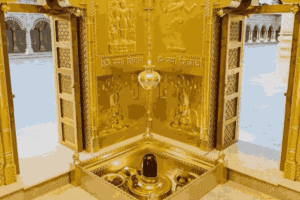
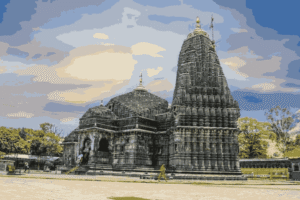
8. Trimbakeshwar Jyotirlinga
Location: Nashik, Maharashtra
History & Mythology
Linked to Sage Gautama and origin of the Godavari River.
Significance
- Represents Brahma, Vishnu, Shiva
- Important for rituals like Narayan Nagbali
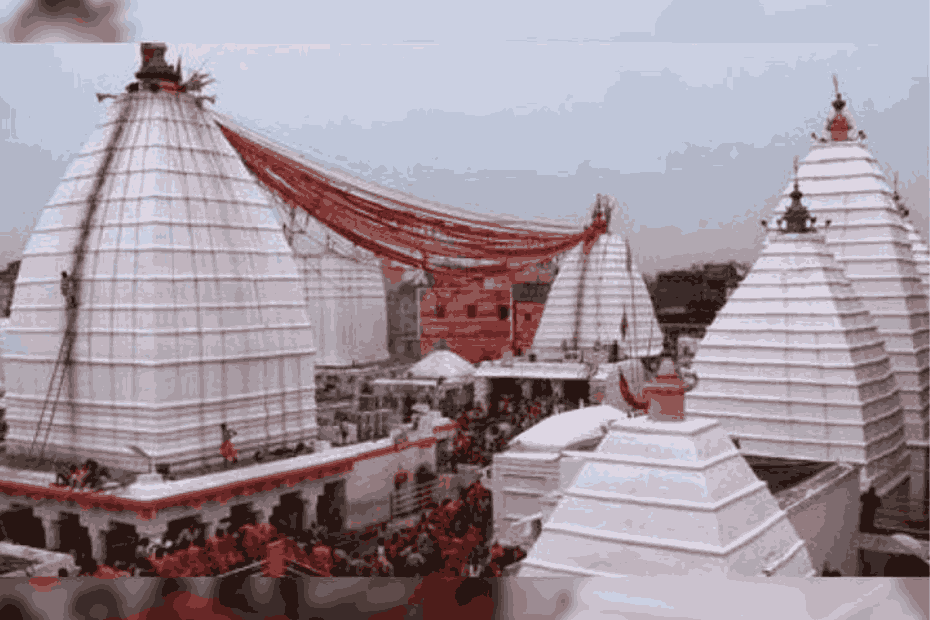
9. Vaidyanath Jyotirlinga
Location: Deoghar, Jharkhand
History & Mythology
Ravana worshipped Shiva here for blessings.
Significance
- Known as healing temple (Vaidya = doctor)
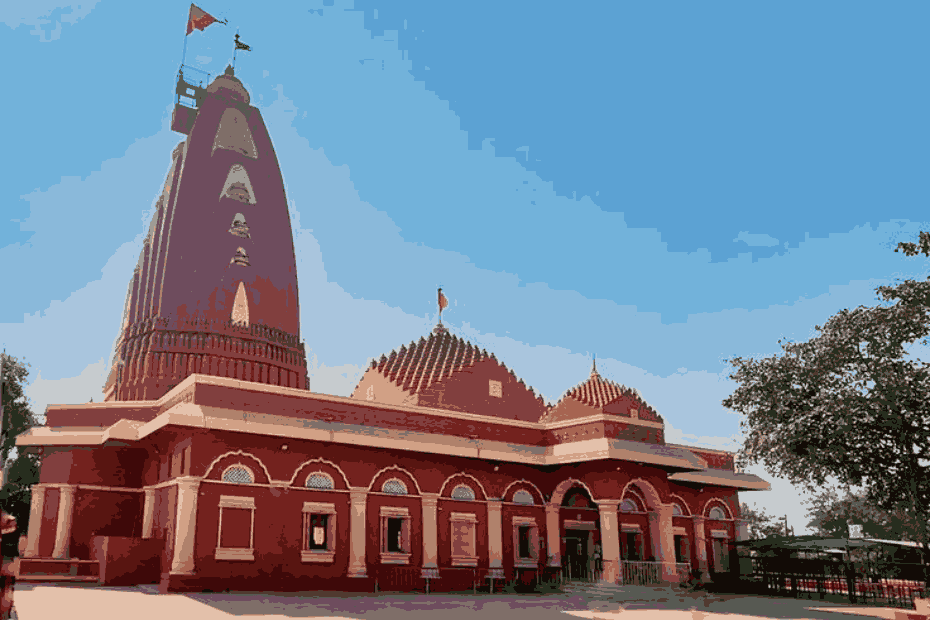
10. Nageshwar Jyotirlinga
Location: Dwarka, Gujarat
History & Mythology
Protected a devotee from a demon named Daruka.
Significance
- Protects from poison & negativity
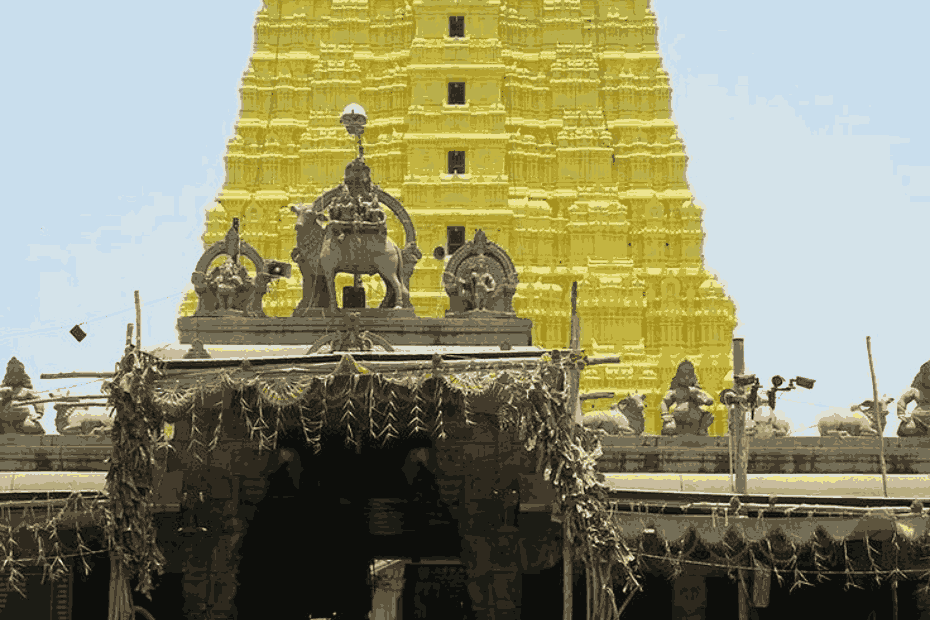
11. Rameshwaram Jyotirlinga
Location: Tamil Nadu
History & Mythology
Lord Rama worshipped Shiva before Lanka war.
Significance
- Connects Ramayana & Shaivism
Unique Features
- Longest temple corridor in India
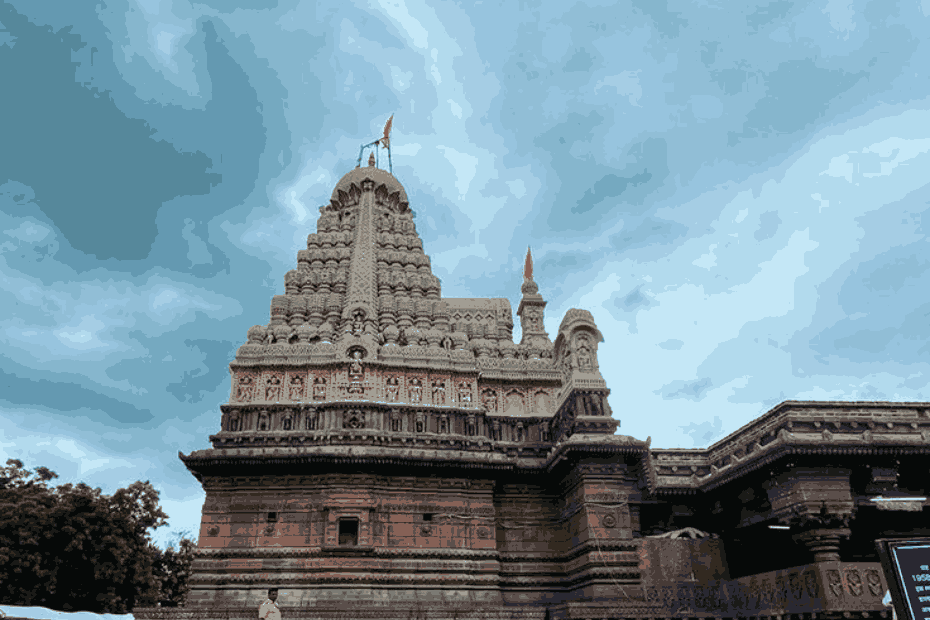
12. Grishneshwar Jyotirlinga
Location: Ellora, Maharashtra
History & Mythology
Associated with a devotee named Kusuma and her deep faith.
Significance
- Represents devotion and dedication
Jyotirlinga Yatra Travel Route
You can plan your journey in this sequence for convenience:
Gujarat → Maharashtra → Madhya Pradesh → Uttar Pradesh → Jharkhand → Andhra Pradesh → Tamil Nadu → Uttarakhand
Conclusion
In conclusion, the 12 Jyotirlingas are not just temples—they are powerful centers of divine energy, history, and faith. Moreover, each shrine tells a unique story and offers a different spiritual experience.
Furthermore, whether you are a devotee, a traveler, or a spiritual seeker, visiting these Jyotirlingas can transform your life, as the journey fills you with peace, devotion, and inner strength. Ultimately, this sacred journey helps you connect deeply with yourself and the divine.
