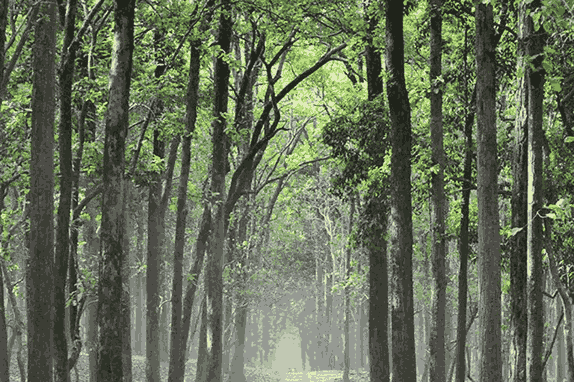
Jim Corbett National Park is one of the most popular and oldest wildlife destinations in India, located in the Nainital district of Uttarakhand. Established in 1936 as Hailey National Park, it was later renamed in honor of the famous conservationist Jim Corbett.
Spread over an area of more than 1,300 square kilometers, the park is known for its rich biodiversity, dense Sal forests, grasslands, rivers, and scenic landscapes. It is especially famous for being home to the Royal Bengal Tiger, making it a key part of India’s wildlife tourism.
Jim Corbett also holds great importance in wildlife conservation as it was the first national park to come under Project Tiger in 1973, an initiative launched to protect the declining tiger population in India.
Apart from tigers, the park is home to a wide variety of wildlife including elephants, leopards, deer, crocodiles, and over 600 species of birds, making it a paradise for nature lovers, photographers, and adventure seekers.
A visit to Jim Corbett is not just about spotting animals—it is about experiencing the beauty of nature, peaceful forests, and the thrill of exploring wildlife in its natural habitat.
The Famous Zones — Where Most Visitors Go
Jim Corbett National Park has several safari zones, but some are more popular because of better wildlife sightings and easy access. These zones are ideal for most visitors, especially first-time travelers.
Dhikala Zone — The Most Popular
Dhikala is the largest and most famous zone in Jim Corbett. It is known for its wide grasslands, river views, and high chances of spotting tigers.
- Best for: Tiger sightings and nature views
- Special: Canter safari and forest stay options
- Open: November to June
Bijrani Zone — Best for First-Time Visitors
Bijrani is one of the most visited zones because it offers a mix of dense forest and open areas. It is great for both wildlife sightings and scenic beauty.
- Best for: Families and beginners
- Animals: Tigers, elephants, deer
- Open: October to June
Jhirna Zone — Open All Year
Jhirna is the only zone open throughout the year, including monsoon season. It is a good option when other zones are closed.
- Best for: Year-round visits
- Animals: Tigers, elephants, sloth bears
- Open: All 12 months
Best Safari Tips for an Unforgettable Experience
Timing — When to Go and When to Book
Best overall season: The best months to visit are November to April. The weather is pleasant, and animal sightings are more common. Summer months from April to June are hot, but sightings near water sources increase.
The monsoon truth: The park largely closes from June to October (except Jhirna, Dhela, and Phato which stay open year-round). If you visit during monsoon, your zone options are limited but the landscape is breathtakingly green and the animals that remain are easy to spot.
Morning vs. Afternoon Safari: Morning Safari usually starts around 6 AM — this is the best time for sightings. Animals are active and the forest feels fresh. Afternoon Safari starts around 2 PM. It offers good light for photography and a relaxed pace. The early morning slot is not just about seeing more animals. It is about experiencing the forest at its most alive — the mist on the grasslands, the chorus of birds waking up, the air carrying the night’s coolness. Set your alarm. It is worth every lost minute of sleep.
Wildlife Spotting Tips — What the Guides Know
Read the alarm calls. The forest telegraphs danger in the most extraordinary way. When a Spotted Deer suddenly stops grazing and stares at one point with ears erect — or when a troop of langur monkeys erupts in alarm calls from the canopy — something large is nearby. Your driver and guide will read these signals. Watch what they watch.
Follow fresh pugmarks. Fresh tiger pugmarks in the soft mud of a track are among the most exciting things you will see in Corbett. They mean the tiger was here, recently. Your guide will know what to do.
Look near water in summer. Summer months from April to June are hot, but sightings near water sources increase. Tigers, elephants, deer, and leopards all congregate around waterholes and river edges during the heat of the day. Ask your guide to focus on known water points.
Be patient at grassland edges. The boundary between Sal forest and open grassland (called Chaurs in Dhikala) is where the most dramatic sightings happen. Predators use the forest edge for cover while hunting in the open grassland. If you are sitting at one of these transition zones, stay quiet and stay long.
Stay completely silent. This sounds obvious, but it is genuinely the difference between seeing wildlife and not. No phone calls. No loud conversation. Even keeping movement to a minimum inside the jeep.
What to Pack — A Practical Checklist
Clothing:
- Neutral, muted colours — khaki, olive, brown, grey. Avoid bright colours and white.
- Layers — mornings in Corbett (especially November to February) are cold. Afternoons warm up significantly.
- A light windbreaker or jacket for early morning drives
- Closed-toe shoes — no open sandals in the forest
Gear:
- Binoculars — this is non-negotiable for bird and wildlife watching. Even a basic pair transforms your experience.
- Camera with a long lens if photography is important to you
- Sunscreen and sunglasses for afternoon safaris
- A personal water bottle — stay hydrated, especially in summer
- Power bank for camera batteries
Essentials:
- Your original photo ID and permit copy
- Cash — ATMs are limited around the park
- Any personal medicines
- A small bag for carrying things in the jeep
Rules Every Responsible Safari Visitor Should Know
The forest has rules. Not bureaucratic ones — practical, necessary ones that protect wildlife and make the experience better for everyone.
- Never make noise or shout — not at animals, not to call them, not to get them to move.
- Never feed wildlife under any circumstances. Animals that associate humans with food become dangerous to both people and themselves.
- Do not litter in the forest. Carry everything you bring in back out with you.
- Respect the guide’s decisions. They know when to stop, when to stay, and when to leave an area.
- Do not ask your driver to go off the designated tracks. This is both illegal and harmful to the forest floor and to nesting wildlife.
- Photography is fine — disturbing animals for a photograph is not. If an animal is showing signs of stress, back away.
How to Reach Jim Corbett
By Train: The closest railway station is Ramnagar — well connected to Delhi (overnight trains available), Lucknow, and Bareilly. Ramnagar is the practical gateway to most zones.
By Road: Corbett is approximately 260 km from Delhi. The drive via Moradabad takes around 5 to 6 hours and is well-signposted. Buses from Anand Vihar ISBT in Delhi run to Ramnagar regularly.
By Air: The nearest airport is Pantnagar (approximately 80 km from the park). Jolly Grant Airport in Dehradun is about 140 km away, with more frequent connections.
Conclusion
Jim Corbett National Park offers a unique wildlife experience where nothing is guaranteed—especially tiger sightings. In fact, unlike a zoo, animals here live freely, follow their natural behavior, and appear only when the moment is right.
However, what you can always expect is the beauty of nature. Dense Sal forests, flowing rivers like the Ramganga, fresh mountain air, and the peaceful sound of birds make every safari special. Even if you do not spot a tiger, the journey through the jungle is still exciting and memorable.
Moreover, each safari zone has its own charm. Dhikala is best for higher chances of tiger sightings and wide grasslands. On the other hand, Bijrani is great for first-time visitors. Jhirna is open throughout the year, therefore it is a good option in all seasons. Similarly, Durga Devi is perfect for bird lovers and quiet nature experiences, while Sitabani offers a mix of wildlife, temples, and peaceful surroundings.
To make the most of your visit, it is important to book your safari in advance, especially during peak season. Additionally, morning safaris are usually better for wildlife sightings as animals are more active.
In conclusion, Jim Corbett is not just about seeing animals—it is about experiencing the forest, understanding nature, and enjoying the thrill of the unknown. Ultimately, every visit is different, and that is what makes it truly special.
So, the forest always has something new to offer—you just have to be patient and enjoy the journey.
