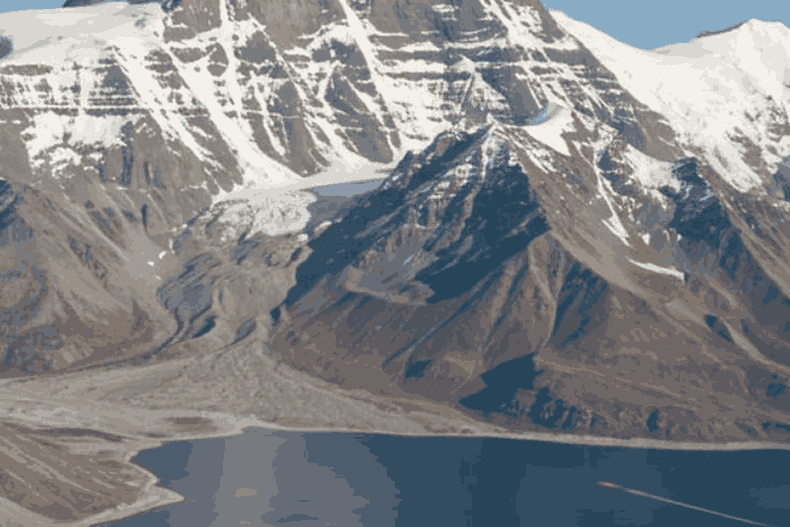
Planning a journey to Kailash Mansarovar is far more than simply calculating distance—it requires careful preparation for a spiritually enriching yet physically demanding expedition across the rugged Himalayan terrain. Revered as one of the holiest pilgrimage destinations in Hinduism, Buddhism, Jainism, and Bon traditions, this sacred journey draws thousands of devotees and adventure seekers every year who seek both divine blessings and inner transformation.
If you are planning your 2026 Kailash Mansarovar Yatra, it is essential to understand not just the total distance, but also the route options, travel duration, altitude levels, and terrain conditions. Depending on the route you choose—via Uttarakhand, Nepal, or through Tibet—the journey can range from 10 to 25 days and involves a mix of long road journeys, steep mountain treks, high-altitude passes (above 5,000 meters), and remote border crossings.
Travelers must also prepare for rapid weather changes, limited infrastructure, and the risk of altitude sickness, making physical fitness and proper acclimatization crucial parts of the planning process. Understanding these factors in advance will help you choose the right route, manage your time effectively, and ensure a safer and more fulfilling yatra experience.
Total Distance to Kailash Mansarovar
The total distance to Kailash Mansarovar varies depending on the route, starting point, and mode of travel. Since this journey spans across India, Nepal, and Tibet, it combines road journeys, trekking segments, and high-altitude crossings, making distance estimation slightly flexible rather than fixed.
Distance from Major Starting Points
From Delhi (India)
- Approx Distance: 950 – 1,200 km
- Route Type: Combination of road travel and trekking (primarily via Lipulekh Pass) or overland journey through Nepal
- Duration: 18–25 days
- Highlights: Traditional government-approved route, scenic Himalayan trails
Route Overview
This route typically begins from Delhi and moves through the Himalayan region of Uttarakhand, covering key stops like Kathgodam, Dharchula, Gunji, and eventually crossing the high-altitude Lipulekh Pass into Tibet.
From Kathmandu (Nepal)
- Approx Distance: 800 – 900 km
- Route Type: Combination of road travel, optional helicopter ride (in premium packages), and short trekking segments
- Duration: 10–14 days
- Highlights: Shorter and more convenient route, popular among international travelers.
Route Overview
This route begins in Kathmandu and typically follows the path through Nepalgunj, Simikot, and Hilsa before entering Tibet and heading towards Kailash Mansarovar. Some itineraries include a helicopter transfer from Nepalgunj to Simikot or Hilsa, reducing travel time and physical strain.
From Dharchula (Uttarakhand)
- Approx Distance: 250 – 300 km
- Route Type: Predominantly trekking with limited road connectivity
- Duration: 15–20 days
- Highlights: Closest Indian base point, requires strong physical fitness
Route Overview
Starting from Dharchula, one of the closest Indian towns to the Indo-Tibet border, the journey moves through remote Himalayan villages such as Tawaghat, Gunji, and Kalapani before crossing high-altitude passes like Lipulekh into Tibet. This route is part of the traditional pilgrimage path and involves long trekking stretches across rugged terrain.
Main Routes to Kailash Mansarovar
1. Lipulekh Pass Route (India Route)
- Starts from: Delhi → Dharchula → Gunji → Lipulekh Pass
- Distance: ~1,000 km
- Duration: 20–25 days
- Difficulty: Moderate to challenging
This is the official Indian government route and involves trekking through scenic Himalayan trails.
2. Kathmandu Route (Nepal Route)
- Starts from: Kathmandu → Nepalgunj → Simikot → Hilsa
- Distance: ~800–900 km
- Duration: 10–14 days
- Difficulty: Moderate
This is the most popular and shorter route, ideal for travelers looking for a quicker journey.
3. Overland Route via Kerung (Nepal–Tibet)
- Starts from: Kathmandu → Kerung → Saga → Mansarovar
- Distance: ~900 km
- Duration: 10–12 days
- Difficulty: Easier compared to trekking routes
Best for those who prefer road travel with minimal trekking.
Kailash Parikrama Distance
The Kailash Parikrama (Kora) is the sacred walk around Mount Kailash and is considered the most spiritually significant part of the Kailash Mansarovar Yatra. Pilgrims from different faiths undertake this journey to seek peace, blessings, and spiritual cleansing. More than just a trek, it is a powerful experience that combines devotion, endurance, and connection with nature.
Total Distance & Duration
The total distance of the Kailash Parikrama is approximately 52 km, and it is usually completed in 2 to 3 days. The journey begins and ends at Darchen, which serves as the base camp for Mount Kailash. The highest point of the parikrama is Dolma La Pass (around 5,630 meters), where oxygen levels are low and the climb is physically demanding. Proper acclimatization is essential before starting the parikrama.
Day 1: Darchen → Dirapuk
The first day of the parikrama covers around 20 km and takes approximately 6–8 hours. This stretch is considered relatively easier, with a gradual ascent through the beautiful Lha Chu Valley. Pilgrims walk along a scenic path surrounded by mountains and flowing rivers. The main highlight of this day is the close and clear view of the north face of Mount Kailash, which is considered highly sacred.
Day 2: Dirapuk → Zuthulpuk (via Dolma La Pass)
The second day is the most challenging and important part of the journey, covering about 22 km in 8–10 hours. Pilgrims must cross the steep and high-altitude Dolma La Pass, which is the highest point of the entire yatra. The climb is difficult due to thin oxygen levels and rough terrain. On the way, pilgrims also visit Gauri Kund, a sacred lake associated with spiritual beliefs. This day requires strong physical and mental stamina.
Day 3: Zuthulpuk → Darchen
The final day is comparatively easy, covering around 10 km in 3–4 hours. The route is mostly flat and downhill, allowing pilgrims to walk at a comfortable pace. This stretch marks the completion of the Kailash Parikrama, giving a deep sense of achievement, peace, and spiritual fulfillment.
What to Expect During the Journey
Changing Landscapes
As you travel towards Kailash Mansarovar, you will witness a dramatic transformation in landscapes. The journey often begins with lush green valleys, rivers, and forests in the lower Himalayan regions, especially in Uttarakhand or Nepal. As you move higher, the scenery gradually changes into rocky mountains, snow-covered peaks, and finally the vast, barren Tibetan plateau, offering a unique visual experience at every stage.
Accommodation & Facilities
Accommodation during the yatra is usually basic and functional, especially in remote areas. You may stay in guesthouses, dormitories, tents, or simple lodges, depending on the route. Facilities like hot water, electricity, and internet are often limited or unavailable. However, these simple arrangements are part of the journey and help you adapt to the raw and natural environment.
Spiritual Atmosphere
One of the most special parts of the journey is the peaceful and spiritual energy you feel, especially near Mansarovar Lake and Mount Kailash. The calm surroundings, fresh mountain air, and sacred significance of the place create a deep sense of inner peace and connection. Many travelers describe this experience as transformational and deeply emotional.
A Life-Changing Experience
The Kailash Mansarovar Yatra is not just a physical journey—it is a complete experience of faith, nature, and adventure. From challenging terrains to spiritual moments, every step teaches patience, strength, and devotion. For many, it becomes a once-in-a-lifetime journey that stays in their heart forever.
Kailash Mansarovar Travel Tips
Planning your journey to Kailash Mansarovar requires proper preparation. The yatra involves high mountains, changing weather, and long travel hours, so planning in advance is very important.
Knowing the best time to visit, route options, and basic travel tips can help make your journey safer and more comfortable. With the right planning, you can enjoy this spiritual experience with ease and without unnecessary stress.
Best Time to Visit Kailash Mansarovar
The best time for the yatra is between May and September 2026. During this period, the weather remains relatively stable, routes are open, and travel conditions are better. In contrast, winter months bring extreme cold and heavy snowfall, making the journey difficult and sometimes inaccessible.
Acclimatization & Altitude Preparation
The journey reaches heights above 5,000 meters, so acclimatization is very important. Taking proper rest at key stops helps your body adjust to low oxygen levels and reduces the risk of altitude sickness (AMS). Ignoring this step can lead to serious health problems.
Weather & Travel Delays
Weather in the Himalayas is unpredictable and can change suddenly. It is always recommended to keep buffer days in your travel plan to manage delays caused by rain, landslides, or flight and helicopter cancellations, especially on Nepal routes.
Physical Fitness for Yatra
The Kailash Mansarovar Yatra involves long travel hours and trekking on rough terrain. Basic fitness, stamina, and regular walking practice are necessary to complete the journey comfortably. Preparing your body in advance will help you enjoy the experience without difficulty.
Conclusion
The journey to Kailash Mansarovar is not just about covering distance—it is a deep spiritual experience filled with adventure, challenges, and inner peace. From understanding the different routes and distances to completing the sacred Kailash Parikrama, every part of the yatra holds its own importance.
Whether you choose the traditional route via Uttarakhand or the shorter Nepal route, proper planning, physical preparation, and awareness of travel conditions are essential for a safe journey. The changing landscapes, simple living conditions, and powerful spiritual atmosphere make this yatra truly unique.
In the end, Kailash Mansarovar is more than a destination—it is a once-in-a-lifetime journey that transforms both mind and soul, leaving you with memories and experiences that stay forever.
