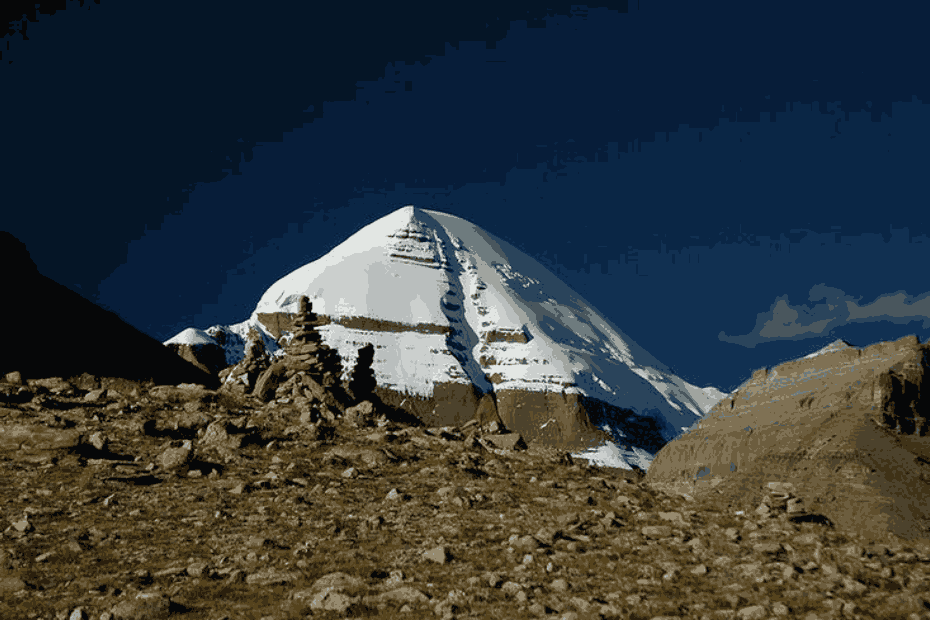
The journey from Adi Kailash to Kailash Mansarovar is one of the most spiritually significant routes in the Himalayas. Known for its deep connection with Lord Shiva, this route attracts thousands of pilgrims searching for Kailash Mansarovar Yatra distance, route details, and travel guide information every year.
While Adi Kailash (also known as Chhota Kailash) is located in Uttarakhand, Kailash Mansarovar lies in Tibet. Therefore, many travelers are curious about the distance between Adi Kailash and Kailash Mansarovar, route options, travel time, and permit requirements.
Although the two destinations appear close geographically, the actual journey involves high-altitude trekking, road travel, border crossings, and different route options via Nepal or Lipulekh Pass. Hence, understanding these factors is essential for planning a safe and comfortable trip.
In this guide, you will explore the Adi Kailash to Kailash Mansarovar distance, best routes, travel duration, and important tips, so that your journey becomes easier and well-prepared.
How Far is Adi Kailash to Kailash Mansarovar?
The distance between Adi Kailash and Kailash Mansarovar may appear short geographically; however, the actual journey is much longer and more complex. Although the aerial distance is around 160 to 220 km, the real travel distance is usually about 300 to 450 km, depending on the route taken. This is because there is no direct road or trekking route between the two destinations. Instead, travelers must follow indirect paths through remote Himalayan regions, approved border crossings, and high-altitude passes.
Furthermore, the journey involves several practical challenges. Since Adi Kailash is in Uttarakhand, India, and Kailash Mansarovar is in Tibet, the route depends on travel permissions, border access, and available yatra routes. In most cases, pilgrims need to return to important transit points such as Dharchula, Kathmandu, or other entry routes before continuing toward Kailash Mansarovar. Therefore, the trip is not measured only by kilometers but also by terrain, altitude, and travel regulations.
Key Distance Facts
- Aerial distance: approximately 160 to 220 km
- Actual travel distance: approximately 300 to 450 km
- Estimated duration: around 10 to 25 days
- Travel type: road journey, trekking, and in some cases helicopter support
Why the Journey Takes Longer
- There is no direct route between Adi Kailash and Kailash Mansarovar
- The route passes through remote mountain terrain
- Travelers may need to cross international borders
- Permits and approvals are required for the journey
- High-altitude conditions make travel slower and more demanding
Travel Routes from Adi Kailash to Kailash Mansarovar
There is no direct road or trekking route connecting Adi Kailash to Kailash Mansarovar. Due to rugged Himalayan terrain, high-altitude passes, and international border restrictions, travelers must follow indirect routes via India or Nepal. Each route differs in distance, duration, difficulty level, and travel experience, so choosing the right one depends on your fitness, time, and comfort preference.
Route 1: Via Dharchula – Lipulekh Pass (India Route)
This is the traditional and most spiritual route, often preferred by pilgrims who want an authentic Himalayan yatra experience. The journey starts from Adi Kailash and continues through remote villages in Uttarakhand before crossing into Tibet via Lipulekh Pass.
- Route: Adi Kailash → Dharchula → Gunji → Lipulekh Pass → Tibet → Kailash Mansarovar
- Distance: ~350–450 km
- Duration: 15–25 days
- Difficulty: Moderate to challenging
Highlights:
- Scenic landscapes of Uttarakhand (valleys, rivers, mountains)
- Traditional pilgrimage route approved by the government
- Multiple days of trekking through high-altitude terrain
This route is best for those seeking a deep spiritual and adventurous journey, but it requires good physical fitness, acclimatization, and permits.
Route 2: Via Nepal (Kathmandu Route)
This is the most popular and convenient route, especially for travelers who want to save time and reduce physical strain. The journey includes road travel along with optional helicopter transfers in certain sections.
- Route: Adi Kailash → Dharchula → Kathmandu → Nepalgunj → Simikot → Hilsa → Tibet → Kailash Mansarovar
- Distance: ~400–500 km
- Duration: 10–14 days
- Difficulty: Moderate
Highlights:
- Faster and more time-efficient compared to the Indian route
- Helicopter services available for remote areas
- Suitable for international and senior travelers
This route is ideal for those looking for a balanced journey with comfort and spiritual experience, requiring less trekking than the traditional route.
Route 3: Overland via Kerung (Nepal–Tibet Route)
This route is considered the easiest and most comfortable option, as it involves mostly road travel with minimal trekking. It is gaining popularity among travelers who prefer convenience over physical challenge.
- Route: Adi Kailash → Kathmandu → Kerung → Saga → Mansarovar
- Distance: ~450 km
- Duration: 10–12 days
- Difficulty: Easy to moderate
Highlights:
- Mostly overland journey with good road connectivity
- Minimal trekking required
- Suitable for beginners and elderly pilgrims
This route is best for those who want a comfortable and less physically demanding journey, while still experiencing the spiritual essence of Kailash Mansarovar.
Travel Tips for a Smooth Journey
Planning a trip from Adi Kailash to Kailash Mansarovar requires more than just booking tickets. In fact, since this journey involves high altitude, remote locations, and long travel durations, proper preparation is essential to ensure safety, comfort, and a meaningful experience.
1. Prepare for High Altitude
- The journey reaches elevations above 4,500–5,500 meters
- Low oxygen levels can cause Altitude Sickness (AMS)
- Spend time on acclimatization stops
- Avoid rushing and climb gradually
Tip: Drink plenty of water and avoid overexertion.
2. Focus on Physical Fitness
- The yatra involves long walking hours and trekking
- Start light exercise like walking or jogging 2–3 weeks before travel
- Practice breathing exercises for better stamina
Basic fitness makes the journey more comfortable and enjoyable.
3. Keep Documents Ready
- Passport (mandatory for Kailash Mansarovar)
- Visa and Tibet travel permits
- Government approvals (for Lipulekh route)
Always carry both original and photocopies of documents.
4. Be Prepared for Weather Changes
- Weather in the Himalayas is unpredictable
- Sudden rain, snowfall, or strong winds are common
- Always keep buffer days in your itinerary
Carry rain protection and warm clothing at all times.
5. Pack Smart & Light
- Warm clothes (jackets, gloves, woolens)
- Comfortable trekking shoes
- Personal medicines and first aid kit
- Power bank, torch, and snacks
Pack only essentials to avoid carrying extra weight.
6. Food & Hydration
- Food options may be basic and limited in remote areas
- Carry dry snacks like nuts, energy bars, biscuits
- Stay hydrated to avoid altitude issues
7. Mental Preparation
- The journey can be physically and mentally challenging
- Stay patient and positive throughout the trip
- Be prepared for delays and simple living conditions
8. Safety & Health Awareness
- Travel with a reliable tour operator or group
- Inform your guide if you feel unwell
- Do not ignore symptoms like headache, dizziness, or breathlessness
Essential Packing Checklist
Packing the right items is very important for a smooth journey from Adi Kailash to Kailash Mansarovar. Since the yatra involves high altitude, cold weather, and limited facilities, carrying the right essentials will keep you safe, comfortable, and prepared for unexpected conditions.
Clothing Essentials
- Warm clothes (thermal wear, jackets, sweaters)
- Woolen cap, gloves, and socks
- Windproof and waterproof jacket
- Comfortable trekking pants
Temperatures can drop suddenly, especially at higher altitudes.
Footwear
- Strong trekking shoes with good grip
- Extra pairs of socks
Good shoes help prevent slips and reduce fatigue during long walks.
Health & Medical Kit
- Personal medicines
- Basic first aid kit
- Medicines for altitude sickness (as advised by a doctor)
- Pain relief spray or tablets
Health support is crucial due to limited medical facilities in remote areas.
Sun Protection
- Sunglasses (UV protection)
- Sunscreen (SPF 30 or higher)
- Lip balm and moisturizer
UV rays are stronger at high altitudes and can harm your skin and eyes.
Travel Essentials
- Power bank (electricity may not be available everywhere)
- Torch/flashlight
- Reusable water bottle
- Energy snacks (nuts, biscuits, energy bars)
Important Documents
- Passport (mandatory for Kailash Mansarovar)
- Visa and permits
- ID proof and photocopies
Smart Packing Tips
- Pack light but carry all essentials
- Use a backpack that is easy to carry
- Keep frequently used items easily accessible
Conclusion
The journey from Adi Kailash to Kailash Mansarovar is much more than just a measure of distance—it is a complete spiritual and adventurous experience through some of the most remote regions of the Himalayas. Although the aerial distance may seem short, the actual journey involves long travel routes, high-altitude trekking, border crossings, and careful planning, therefore making it both challenging and rewarding.
Moreover, with multiple route options available—via Lipulekh Pass, Nepal (Kathmandu), or Kerung—travelers can choose a path that suits their time, fitness level, and comfort. Each route, in its own way, offers a unique experience, ranging from traditional trekking trails to more convenient overland journeys.
In addition, proper preparation plays a key role in this yatra. Understanding the distance, travel duration, permits, weather conditions, and packing essentials not only ensures a safer journey but also makes the experience more comfortable. At the same time, physical fitness, acclimatization, and mental readiness are equally important to fully enjoy the journey.
Ultimately, this journey is not just about reaching Kailash Mansarovar—it is about embracing the path itself, experiencing the beauty of nature, and finding inner peace and spiritual connection. For this reason, it is often considered a once-in-a-lifetime experience that leaves a lasting impact on both mind and soul.
