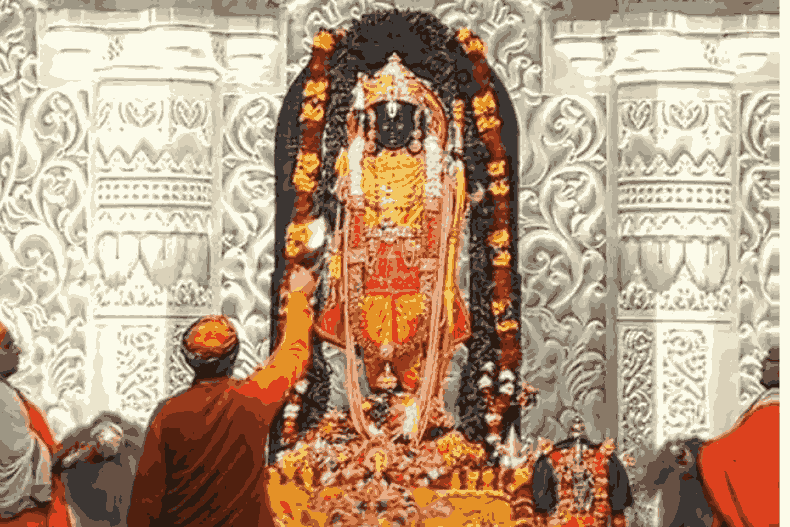
Located on the sacred banks of the Sarayu River in the state of Uttar Pradesh, Ayodhya is one of the most ancient and spiritually important cities in India. Revered as the birthplace of Lord Rama, Ayodhya occupies a central place in Hindu mythology and is considered one of the seven holy cities, or Sapta Puri, believed to lead devotees toward salvation. The city is deeply connected with the epic Ramayana and has been a center of faith, devotion, and pilgrimage for thousands of years.
Today, Ayodhya has emerged as one of India’s fastest-growing spiritual tourism destinations. Alongside its ancient temples and sacred ghats, the city now features improved infrastructure, beautifully developed riverfronts, cultural centers, and enhanced facilities for pilgrims. Despite modernization, Ayodhya continues to preserve its timeless spiritual atmosphere, where temple bells, devotional songs, and religious rituals shape everyday life.
From magnificent temples and mythological landmarks to peaceful riverbanks and vibrant festivals, Ayodhya offers visitors a unique combination of spirituality, history, architecture, and culture. Whether you are a pilgrim seeking blessings, a history enthusiast exploring India’s heritage, or a traveler searching for inner peace, Ayodhya provides an unforgettable experience filled with devotion and tradition.
1. Ram Mandir
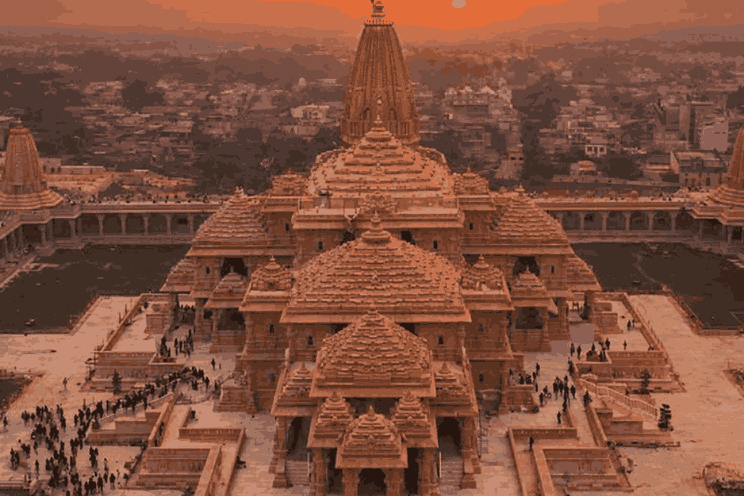
The grand Ram Mandir is the most significant attraction in Ayodhya and one of the largest temple projects in modern India. Dedicated to Lord Rama, the temple stands at the site traditionally believed to be his birthplace. Constructed in the traditional Nagara architectural style, the temple showcases intricate stone carvings, towering pillars, beautifully sculpted walls, and impressive craftsmanship inspired by ancient Indian temple architecture.
The temple complex has become a major spiritual and cultural symbol, attracting millions of devotees and tourists from around the world. The atmosphere during morning and evening aartis is deeply devotional, while the illuminated temple at night creates a breathtaking sight.
Historical & Cultural Importance
The Ram Mandir represents centuries of religious faith and cultural heritage associated with Lord Rama and the Ramayana tradition. It has become a symbol of devotion, unity, and Indian spiritual identity.
Highlights
- Magnificent temple architecture
- Intricate sandstone carvings
- Spiritual ceremonies and aartis
- Large temple complex for pilgrims
- Beautiful nighttime illumination
2. Hanuman Garhi
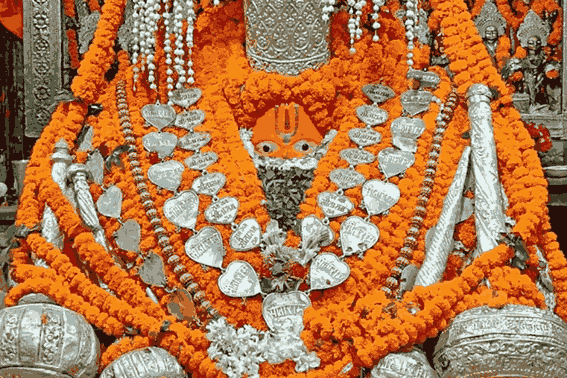
Hanuman Garhi is one of Ayodhya’s oldest and most revered temples dedicated to Lord Hanuman. The temple is situated atop a hill and can be reached by climbing around 70–80 steps. According to local belief, Lord Hanuman lived here to guard Ayodhya after Lord Rama’s return from exile.
Inside the temple, devotees worship a small idol of Hanuman seated in the lap of his mother, Anjani. The temple remains crowded throughout the year, especially on Tuesdays and during Hanuman Jayanti celebrations.
Spiritual Significance
It is believed that pilgrims should first seek blessings at Hanuman Garhi before visiting Ram Mandir. Many devotees consider the temple a powerful place for protection, courage, and devotion.
Highlights
- Panoramic views of Ayodhya
- Strong devotional atmosphere
- Important center of Hanuman worship
- Ancient fort-like temple structure
- Popular during religious festivals
3. Kanak Bhawan
Kanak Bhawan is among the most beautiful and spiritually uplifting temples in Ayodhya. According to mythology, the temple was gifted to Goddess Sita by Queen Kaikeyi after her marriage to Lord Rama. The current structure features elegant domes, colorful interiors, marble decorations, and richly adorned idols of Rama and Sita wearing golden crowns.
The temple is especially famous for its peaceful environment and devotional music, which creates a calm and meditative atmosphere for visitors.
Architectural Beauty
The temple combines traditional North Indian temple architecture with artistic decorative elements, making it one of Ayodhya’s most visually appealing landmarks.
Highlights
- Gold-themed decorations
- Beautiful idols of Rama and Sita
- Peaceful devotional ambiance
- Continuous bhajans and prayers
- Fine architectural details

A must-visit sacred site in Ayodhya filled with devotion and serenity.

4. Saryu Ghat
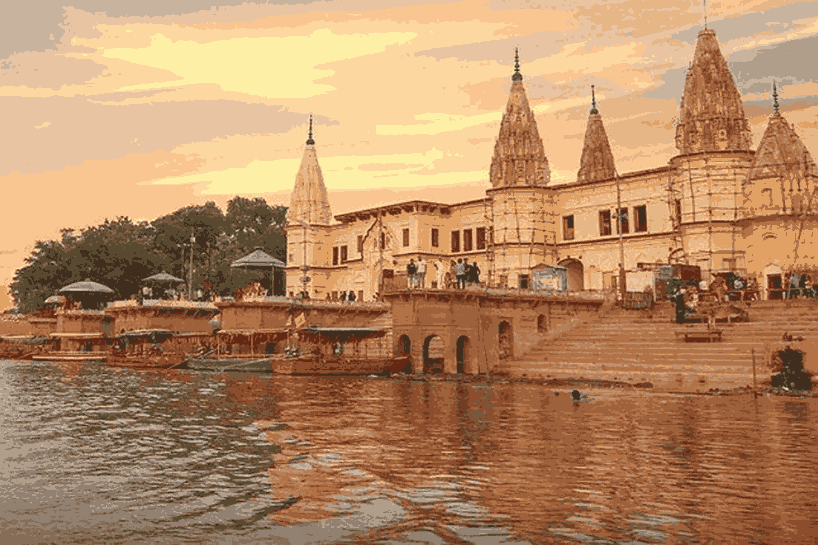
The Sarayu River holds immense religious significance in Hindu tradition and is closely associated with the life of Lord Rama. The ghats along the river are important gathering places for pilgrims who come to take holy dips, offer prayers, and participate in sacred rituals.
The evening Sarayu Aarti is one of Ayodhya’s most mesmerizing spiritual experiences. Priests perform synchronized rituals with lamps, chants, and devotional music as the riverfront glows with spiritual energy.
Experience for Visitors
Boat rides during sunrise and sunset offer stunning views of the river and temple skyline. The peaceful atmosphere makes the ghats ideal for meditation and quiet reflection.
Highlights
- Evening Sarayu Aarti ceremony
- Scenic sunrise and sunset views
- Holy bathing rituals
- Riverside spiritual atmosphere
- Photography and boat rides

5. Nageshwarnath Temple
Dedicated to Lord Shiva, Nageshwarnath Temple is one of the oldest surviving temples in Ayodhya. According to legend, it was established by Kush, the son of Lord Rama. The temple is especially significant during Mahashivratri, when thousands of devotees gather to worship Lord Shiva.
Its ancient architecture, religious importance, and mythological associations make it an essential stop for pilgrims exploring Ayodhya’s spiritual heritage.
Religious Importance
The temple symbolizes the harmony between Shaivism and Vaishnavism traditions within Hindu culture.
Highlights
- Ancient Shiva temple
- Mythological connection to Lord Rama’s family
- Vibrant Mahashivratri celebrations
- Traditional temple rituals
- Historical significance
6. Treta Ke Thakur
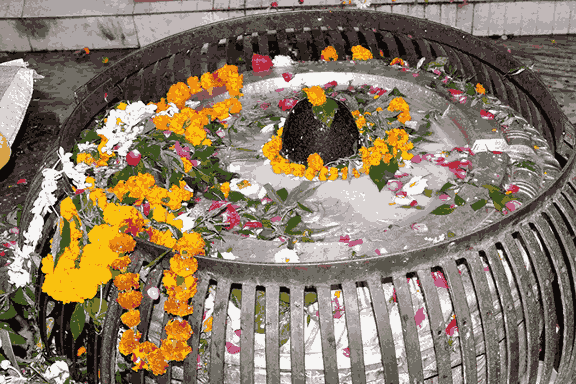
Treta Ke Thakur is an ancient temple associated with the Ashwamedha Yajna performed by Lord Rama after returning to Ayodhya. The temple houses rare black sandstone idols depicting Lord Rama, Sita, Lakshmana, Bharat, and Shatrughna.
The temple opens to the public on special occasions and attracts visitors interested in mythology, history, and religious traditions.
Historical Importance
The site is believed to preserve memories of important events described in the Ramayana, making it spiritually and culturally significant.
Highlights
- Ancient black stone idols
- Connection with Ramayana legends
- Calm spiritual surroundings
- Important religious heritage site
- Traditional temple architecture
7. Guptar Ghat
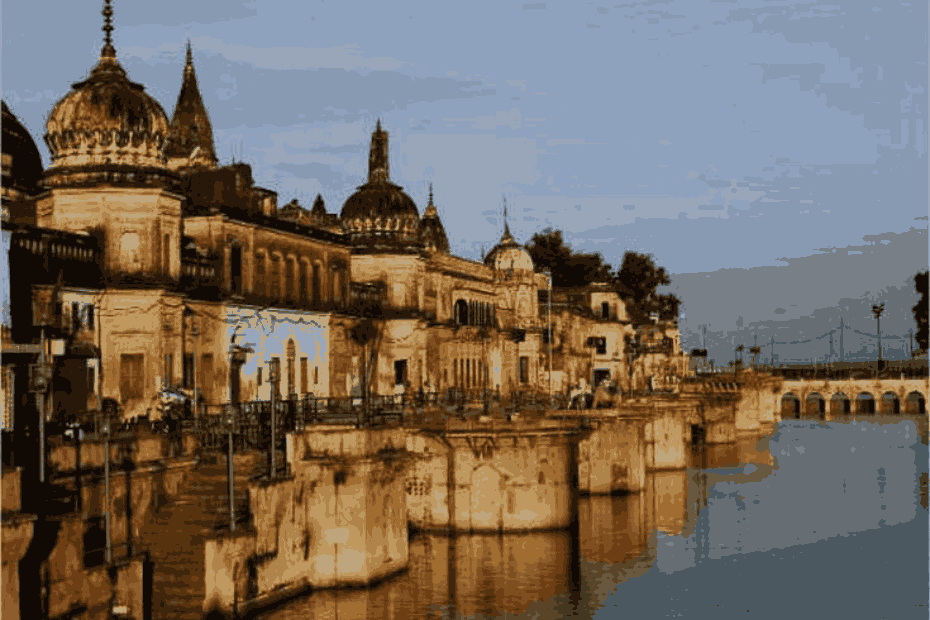
Located on the banks of the Sarayu River, Guptar Ghat is believed to be the place where Lord Rama took Jal Samadhi and departed from the earthly world. Compared to the more crowded ghats, Guptar Ghat offers a quieter and more peaceful environment.
The serene surroundings, river views, and spiritual significance make it an ideal place for meditation, prayer, and reflection.
Visitor Experience
The ghat is particularly beautiful during early mornings and evenings, when the calm waters and soft temple bells create a deeply spiritual atmosphere.
Highlights
- Peaceful riverside setting
- Spiritual and mythological importance
- Ideal for meditation
- Scenic photography location
- Less crowded than central ghats
Best Time to Visit Ayodhya
The best time to visit Ayodhya is from October to March, when the weather remains cool and pleasant for sightseeing and temple visits. Summers can be extremely hot, while monsoon season brings moderate rainfall.
Major Festivals to Experience
- Ram Navami – Celebrates the birth of Lord Rama with grand processions and ceremonies.
- Deepotsav – Ayodhya is illuminated with millions of diyas, creating a world-famous spectacle.
- Diwali – Celebrated with exceptional devotion and cultural programs.
- Mahashivratri – Major celebrations at Shiva temples like Nageshwarnath.
How to Reach Ayodhya
By Air
Maharishi Valmiki International Airport connects the city with major Indian destinations.
By Train
Ayodhya has well-connected railway stations linking it with cities such as Delhi, Lucknow, Varanasi, and Prayagraj.
By Road
Regular buses and highways connect Ayodhya to major cities across Uttar Pradesh and neighboring states.
Travel Tips for Visitors
- Dress modestly while visiting temples.
- Carry water and comfortable footwear for walking.
- Visit major temples early in the morning to avoid crowds.
- Respect local customs and photography restrictions.
- Attend the evening Sarayu Aarti for a memorable spiritual experience.
- Keep extra time during festivals, as the city becomes extremely crowded.
Conclusion
Ayodhya is more than just a religious city—it is a place filled with faith, history, culture, and spirituality. Every temple, river ghat, and narrow street tells stories connected to Lord Rama and ancient Indian traditions. From visiting the grand Ram Mandir to experiencing the peaceful evening Sarayu Aarti, every moment in Ayodhya feels special and memorable.
Whether you are looking for spiritual peace, cultural experiences, or a deeper connection with India’s heritage, Ayodhya offers a beautiful journey that touches both the heart and soul.
