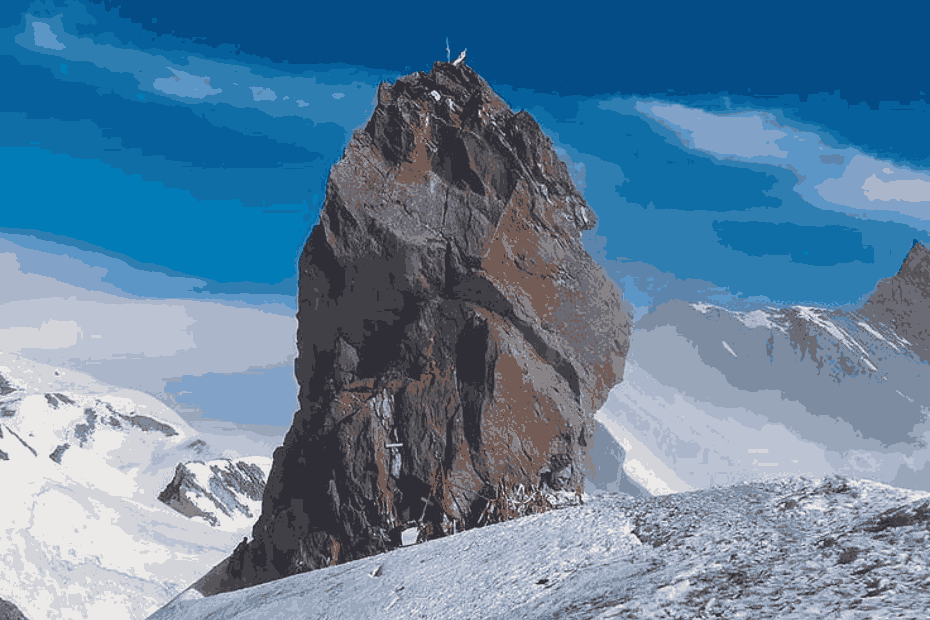
trekkers consider the sacred journey from Jaon Village to Shrikhand Mahadev one of the toughest and most spiritual Himalayan treks in India. Every year, thousands of devotees and trekkers walk through dense forests, steep mountain ridges, glaciers, and rocky terrains to seek the blessings of Lord Shiva at the holy Shrikhand Mahadev peak.
Located in the beautiful Himalayas of Himachal Pradesh, this pilgrimage is often compared with the mystical energy of Mount Kailash in Tibet. Many devotees believe the spiritual vibrations of Kailash Mountain and Shrikhand Mahadev are deeply connected to Lord Shiva’s divine presence.
If you are planning this sacred trek, understanding the Jaon to Shrikhand Mahadev distance, route details, difficulty level, and best travel season is extremely important.
Jaon to Shrikhand Mahadev Distance
The total distance from Jaon Village to Shrikhand Mahadev is around 32 to 35 kilometers one way. The trek passes through beautiful and challenging locations like Singhgad, Thachru, Kali Ghati, Bheem Dwar, Parvati Bagh, and Nayan Sarovar before reaching the holy Shrikhand Mahadev Peak. Situated at an altitude of about 18,570 feet, this is one of the highest and toughest religious treks in India. The journey involves steep climbs, rough mountain paths, and changing weather conditions, but the stunning Himalayan views and spiritual atmosphere make the trek truly unforgettable.
Where is Jaon Village Located?
Jaon Village is located in the Kullu district of Himachal Pradesh near Nirmand and serves as the main base camp for the sacred Shrikhand Mahadev Yatra. In addition, surrounded by dense forests, waterfalls, and breathtaking Himalayan landscapes, the village offers a peaceful and spiritual atmosphere for pilgrims and trekkers. Before starting the trek, devotees usually complete registration and medical verification here. Moreover, Jaon is well connected by road from major places like Shimla, Rampur, Nirmand, and Kullu. Finally, many travelers often compare the untouched natural beauty of this region with the divine landscapes of Himalaya Kailash and the mystical surroundings near Mount Kailash.
Total Jaon to Shrikhand Mahadev Distance
| Trek Section | Approx Distance |
|---|---|
| Jaon to Singhgad | 3 km |
| Singhgad to Thachru | 11 km |
| Thachru to Bheem Dwar | 12 km |
| Bheem Dwar to Shrikhand Mahadev | 6–8 km |
Total Distance: 32–35 km (one side)
The return journey follows the same route.
Due to the challenging terrain, most pilgrims complete the trek in 4 to 5 days.
Jaon to Shrikhand Mahadev Trek Route (Day-wise Distance)
Day 1: Jaon to Singhgad and Thachru
- Distance: Around 14 km
- Trek Time: 6–8 hours
The trek begins with forest trails and steep climbs. Thachru is famous for its exhausting vertical ascent known as “Danda Dhar.”
Day 2: Thachru to Bheem Dwar
- Distance: Around 12 km
- Trek Time: 7–8 hours
This route offers mesmerizing Himalayan views, glaciers, and alpine meadows. Pilgrims often feel spiritually connected while walking through these sacred mountains associated with Lord Shiva.
Day 3: Bheem Dwar to Shrikhand Mahadev and Return
- Distance: Around 12–14 km round trip
- Trek Time: 8–10 hours
This is the toughest and most spiritual day of the trek. Pilgrims pass through Parvati Bagh and Nayan Sarovar before reaching the sacred Shivling at Shrikhand Mahadev.
The snow-covered peaks often remind travelers of Mount Kailash Shiva Face, a naturally formed pattern devotees associate with Lord Shiva.
Trek Difficulty Level
The Shrikhand Mahadev Trek is considered one of the most difficult and high-altitude pilgrimages in India. Due to its steep mountain climbs, rugged terrain, and extreme altitude, this trek requires strong physical fitness and mental endurance. Pilgrims often face challenging conditions throughout the journey, especially during long trekking hours in the Himalayas.
Some of the major challenges during the trek include:
- Steep and rocky trekking trails
- Thin oxygen levels at high altitude
- Sudden weather changes in the Himalayas
- Glacier and snow crossings
- Long and physically demanding trekking hours
Compared to regular Himalayan treks, the Shrikhand Mahadev Yatra demands better stamina, preparation, and acclimatization. Many devotees preparing for the Kailash Mansarovar Yatra also choose this trek as practice because of its spiritual atmosphere and high-altitude conditions similar to Mount Kailash in Tibet.
Best Time to Trek from Jaon to Shrikhand Mahadev
The ideal trekking season is:
- July
- August
During this period:
- Snow begins melting
- Trek routes open officially
- Weather becomes comparatively stable
Avoid trekking during:
- Heavy monsoon days
- Early winter
- Unofficial trekking season
Pilgrims planning spiritual Himalayan journeys often combine this experience with future visits to Kailash Mountain and nearby sacred destinations.
Important Tips for the Trek
Before starting the trek, keep these important tips in mind:
Physical Preparation
Start cardio and stamina training at least one month before the journey.
Carry Essential Gear
Include:
- Trekking shoes
- Warm jackets
- Rain protection
- Medicines
- Energy snacks
- Torch
Acclimatize Properly
High altitude can cause breathing issues and fatigue.
Travel in Groups
Avoid trekking alone because weather conditions can change rapidly.
Respect the Spiritual Environment
The region is considered highly sacred by devotees of Lord Shiva.
Spiritual Significance of the Trek
Shrikhand Mahadev is one of the most sacred pilgrimages dedicated to Lord Shiva and holds deep spiritual importance in Hindu beliefs. In fact, the naturally formed Shivling at the summit is believed to symbolize divine cosmic energy, attracting thousands of devotees and trekkers every year. Moreover, many pilgrims feel that the spiritual aura of this place resembles the mystical atmosphere of Mount Kailash, the sacred abode of Lord Shiva in Tibet.
The spiritual connection between these holy destinations is highly revered among Shiva devotees:
- Kailash Himalaya
- Mount Kailash in Tibet
- Shrikhand Mahadev
- Adi Kailash
- Manimahesh Kailash
