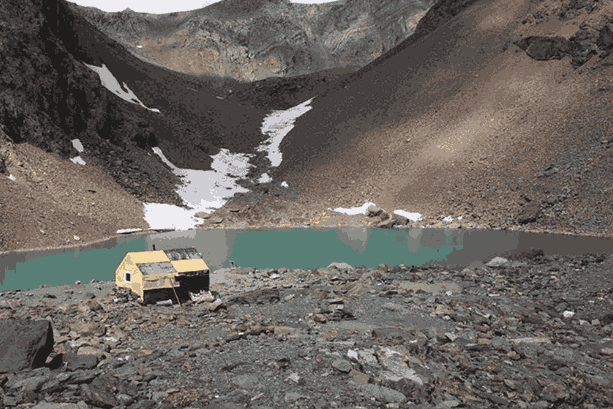
The Satopanth Lake Trek begins at Mana Village — famously known as the last inhabited village of India before the Tibet border — located just 3 kilometers beyond the sacred town of Badrinath in Uttarakhand. From here, the trail passes through dense birch forests, scenic meadows, rocky moraines, and the majestic Satopanth Glacier before finally reaching the pristine Satopanth Lake, situated at an altitude of 4,600 meters (15,092 feet).
The total Satopanth Lake Trek distance is approximately 18–22 kilometers one way, depending on the chosen route and campsite locations. Usually completed over 4 to 6 days, the trek is considered moderately difficult to challenging due to steep ascents, glacier crossings, uneven terrain, and high-altitude conditions. Therefore, trekkers should be physically fit and mentally prepared for the journey.
Moreover, the trek offers breathtaking views of towering Himalayan peaks such as Chaukhamba, Neelkanth, and Balakun, making every step along the route truly rewarding. The peaceful campsites, fresh mountain air, and untouched beauty of the Garhwal Himalayas create a memorable experience for nature lovers and adventure enthusiasts alike.
In addition, the trail passes through ecologically rich Himalayan landscapes near the Nanda Devi Biosphere region, where trekkers may witness rare alpine flowers, medicinal herbs, and Himalayan wildlife. Whether you are seeking adventure, spiritual peace, or a deep connection with nature, the Satopanth Lake Trek promises an unforgettable Himalayan journey.
Why is the Satopanth Lake Trek a Must-Do?
There are hundreds of treks in the Indian Himalayas. So what makes Satopanth stand apart? Here are the reasons this trail deserves a spot at the very top of your trekking bucket list:
1. A Sacred Lake Unlike Any Other
Satopanth Lake is not merely a geographical landmark — it is a place of profound spiritual power. Hindu scriptures describe the lake as the meeting point of the Trimurti: Lord Brahma sits at one corner, Lord Vishnu at another, and Lord Shiva at the third. Pilgrims have made this journey for centuries, and the sense of sanctity you feel upon first setting eyes on the lake is something no photograph can fully capture.
2. Panoramic Views of the Chaukhamba Massif
The Chaukhamba massif — a group of four towering peaks, the highest reaching 7,138 meters — dominates the skyline for much of the trek. On clear mornings, the reflection of these peaks in the still waters of Satopanth Lake creates a scene of almost impossible beauty. Add in views of Neelkanth (6,596 m) and Balakun (6,471 m), and you have one of the finest peak panoramas in all of the Garhwal Himalayas.
3. The Legendary Satopanth Glacier
The approach to the lake takes you along and across the Satopanth Glacier, one of the major glaciers feeding the Alaknanda River. Walking on glacial ice, surrounded by seracs and crevasses, is an otherworldly experience that very few trekking routes in India can offer at this level of accessibility.
4. Starting at Mana — India’s Last Village
Beginning your trek at Mana Village adds a special cultural dimension to the journey. This charming hamlet of stone-and-wood houses sits at the edge of civilisation, with the roaring Saraswati River flowing through a dramatic natural arch just outside the village. Local Bhotia communities have maintained their traditional way of life here for generations, and a short exploration of the village before you set off on the trail is an experience in itself.
5. Untouched, Uncrowded Wilderness
Unlike the more popular Himalayan trekking corridors, the Satopanth trail sees relatively limited footfall. This means you will camp in pristine, undisturbed campsites, walk for hours without encountering another trekking group, and experience the Himalayas in their most raw and authentic form.
6. A Trekker’s Spiritual Reset
There is something about this particular trail that strips away distraction and clears the mind. Perhaps it is the altitude, the silence, the enormity of the surrounding peaks, or the spiritual energy of the destination. Many trekkers describe the Satopanth Lake Trek as a turning point — an experience that fundamentally shifted their perspective on life.
Essential Gear Checklist
Getting your gear right can make or break a high-altitude trek. Here is what you will need:
Clothing:
- Moisture-wicking base layers (top and bottom)
- Insulating mid-layer (fleece or down jacket)
- Waterproof, windproof outer shell
- Warm trekking trousers
- Thermal socks (3–4 pairs)
- Warm hat, sun hat, gloves, neck gaiter
Footwear:
- Well broken-in, ankle-supporting trekking boots (waterproof)
- Camp sandals or lightweight shoes
Equipment:
- Trekking poles (highly recommended)
- Headlamp with spare batteries
- Sunglasses with UV protection (essential at altitude)
- Sunscreen SPF 50+, lip balm
- Personal first-aid kit
- Water bottles or hydration bladder (3 litres minimum capacity)
- Water purification tablets
- Personal medications
Documents:
- Government-issued photo ID (mandatory for permits)
- Trekking insurance documents
Best Time to Visit
The Satopanth Lake Trek is accessible from May to October each year. Outside these months, the trail is buried under deep snow and the risk of avalanches makes passage extremely dangerous.
May – Early June: Snow still covers higher elevations, lending a dramatic, wintry quality to the landscape. Days are crisp and clear. Ideal for experienced trekkers who enjoy solitude.
Late June – July: The pre-monsoon warmth brings wildflowers into full bloom. Trails can be muddy but the scenery is lush and vibrant. Some rainfall to expect.
August: Peak monsoon. The trek is technically open, but rain significantly increases the risk of landslides and the trail can be treacherous. Not recommended for first-timers.
September – October: Widely considered the best season. Skies are crystal clear post-monsoon, visibility is exceptional, peak reflections in the lake are at their sharpest, and temperatures are cool but manageable. This is our top recommendation for most trekkers.
Conclusion
The Satopanth Lake Trek is more than just a Himalayan adventure — it is a journey filled with spirituality, raw natural beauty, and unforgettable mountain experiences. From the scenic trails of Mana Village and the majestic Satopanth Glacier to the sacred waters of the lake surrounded by towering Himalayan peaks, every moment of this trek feels truly extraordinary.
Moreover, the peaceful atmosphere, untouched landscapes, and deep spiritual significance make the Satopanth Lake Trek Uttarakhand one of the most rewarding high-altitude treks in India. Whether you are an adventure enthusiast, a nature lover, or a spiritual seeker, this trek offers a perfect escape into the heart of the Garhwal Himalayas.
Overall, a journey to Satopanth Lake is not just about reaching a destination — rather, it is about experiencing the silence of the mountains, connecting with nature, and creating memories that stay with you forever.
