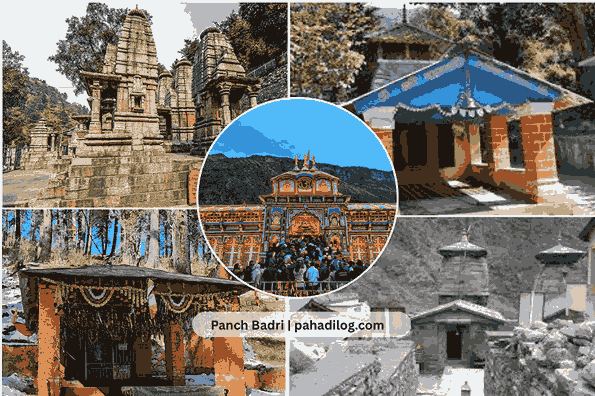
Panch Badri Location: The Five Temples
The five temples of the Panch Badri circuit stretch across the Chamoli district of Uttarakhand at different altitudes along the Alaknanda River valley. Each temple carries a unique legend, a distinct form of Lord Vishnu, and its own spiritual character.
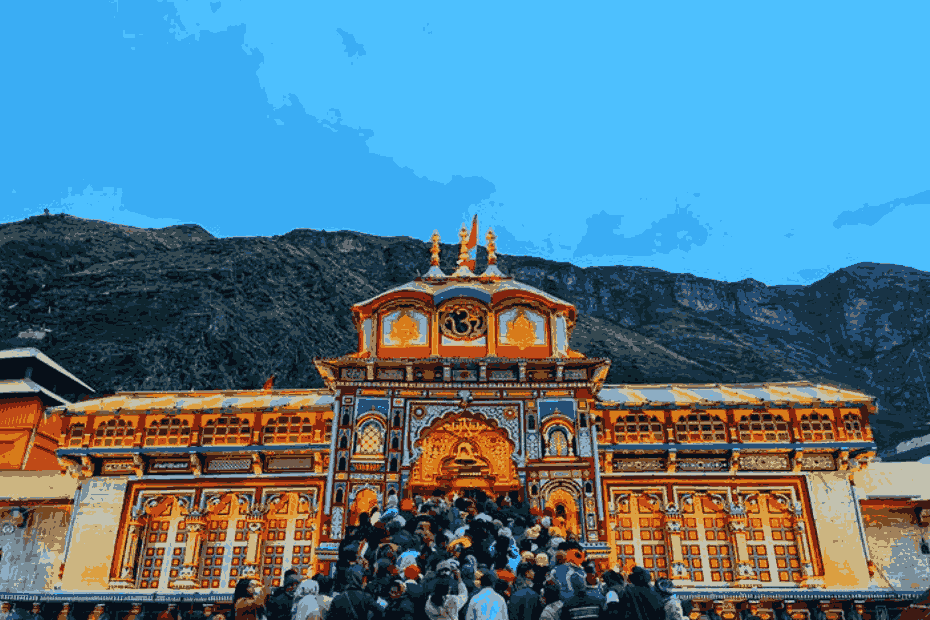
1) Vishal Badri (Badrinath)
Location: Badrinath, Chamoli District | Altitude: 3,133 meters
The crown jewel of the Panch Badri circuit, Vishal Badri — commonly known as Badrinath Temple — is undoubtedly the most famous and most visited of the five. It sits along the banks of the Alaknanda River, flanked by two mountain ranges — Nar and Narayan — and watched over by the towering Neelkanth Peak in the background.
The presiding deity here is Lord Badrinarayan, a black stone idol of Lord Vishnu in a meditative posture. According to legend, this is the very spot where Lord Vishnu meditated for thousands of years, while Goddess Lakshmi took the form of a badri tree to shield him from the harsh elements.
The temple was revived by the great philosopher-saint Adi Shankaracharya in the 8th century CE and remains one of the Char Dham pilgrimage sites. The temple opens every year in late April or early May (on Akshaya Tritiya) and closes on the auspicious day of Vijaya Dashami or around November, ahead of the harsh Himalayan winter.
The nearby Tapt Kund (a hot spring believed to have medicinal properties) and Brahma Kapal (a sacred spot for performing ancestral rites) add further depth to a visit here.
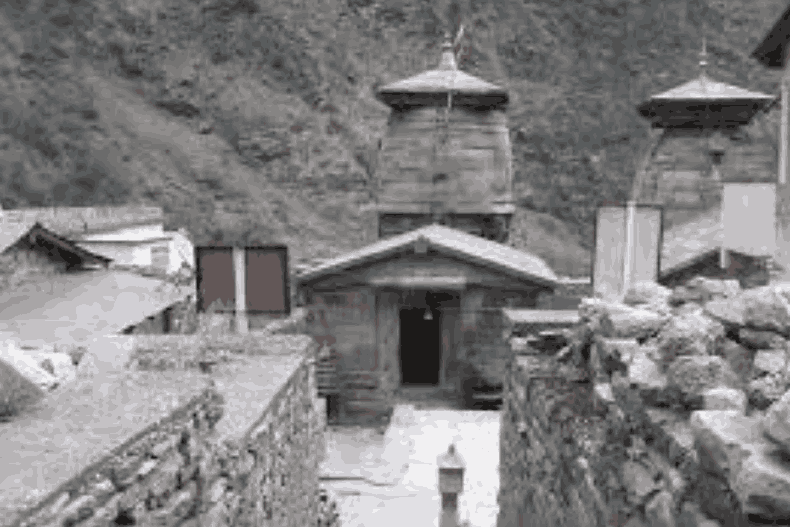
2) Yog Dhyan Badri
Location: Pandukeshwar, Chamoli District | Altitude: 1,829 meters
Sitting quietly in the village of Pandukeshwar, about 24 km from Badrinath on the Rishikesh–Badrinath highway, Yog Dhyan Badri is one of the lesser-known gems of the Panch Badri yatra.
The presiding deity here is a large, majestic stone idol of Lord Vishnu in a deep meditative (yog-dhyan) posture, seated on a large stone throne. The idol is said to have been installed by King Pandu — the father of the Pandavas — who came to this place to atone for his sins after accidentally killing a sage and his wife who had taken the form of deer.
Local belief holds that the Pandavas spent time here during their exile, and the village is named in King Pandu’s honor. The temple has an ancient and serene atmosphere, making it a deeply contemplative stop on the pilgrimage. Unlike Badrinath, this temple sees relatively few tourists, which adds to its quiet, meditative charm.
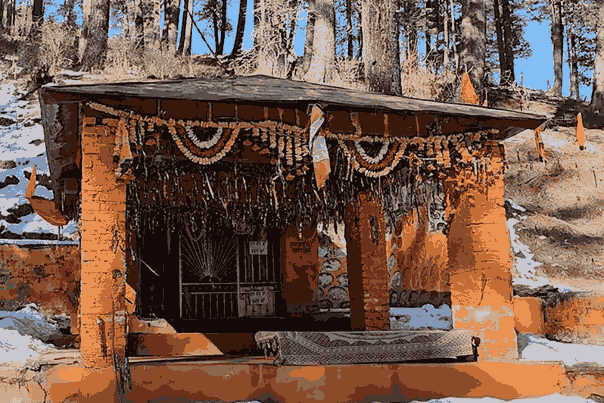
3) Bhavishya Badri
Location: Subhain, near Joshimath | Altitude: 2,744 meters
Bhavishya Badri stands near the village of Subhain, about 17 km from Joshimath, making it the most remote and least accessible temple among the five Panch Badri shrines. Visitors reach the temple after a 6 km trek through dense oak and rhododendron forests.
The name “Bhavishya” means “future,” and the temple carries a fascinating prophecy. According to belief, natural calamities and the shifting of the Jaya and Vijaya mountains will one day block access to the Badrinath shrine during the later phase of Kali Yuga. At that time, devotees will worship Lord Badri at Bhavishya Badri as the primary seat of the deity.
The temple houses a swayambhu (self-manifested) idol of Lord Vishnu that partially emerges from a rock. The trail passes through pristine Himalayan wilderness and offers a rewarding experience for pilgrims and trekkers alike. Bhavishya Badri perfectly blends spirituality with adventure.
4) Vridha Badri
Location: Animath village, near Joshimath | Altitude: 1,380 meters
Vridha Badri stands in the small village of Animath, about 7 km from Joshimath on the Helang-Tapovan road. The name translates to “the Old (Ancient) Badri.” The temple holds great historical importance in the Panch Badri circuit and plays an important role in the legends of the region.
According to legend, devotees worshipped Lord Vishnu at this location in the form of an old man (vriddha) before he established his permanent abode at Badrinath. This site served as the original place of worship for the deity, and devotees therefore regard Vridha Badri as the predecessor of Badrinath itself.
The idol inside the temple depicts Lord Vishnu as an elderly figure alongside Kubera and Narada. Devotees can visit the temple throughout the year, unlike many other Badri temples that close during winter. The surrounding village reflects a warm and traditional Garhwali culture, giving visitors a peaceful and authentic experience.
5) Adi Badri
Location: Karnaprayag area, Chamoli District | Altitude: 1,000 meters
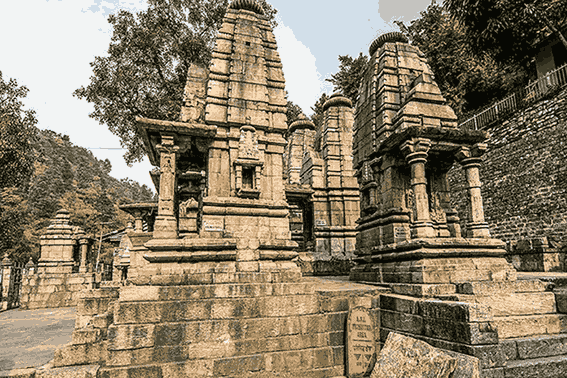
Adi Badri — meaning the “First” or “Original” Badri — is a temple complex rather than a single shrine. The complex includes 14 stone temples dedicated to Lord Vishnu and other deities. It stands about 17 km from Karnaprayag and remains one of the most architecturally striking temples among the Panch Badri shrines.
The main temple houses a beautiful black stone idol of Lord Vishnu in a standing posture, about one meter tall. Adi Shankaracharya installed this idol and several other deities in the complex while revitalizing the Hindu pilgrimage tradition across India.
The temple complex has a unique charm, with multiple small shrines clustered together amid cedar and oak forests. A nearby stream adds to the peaceful forest-temple atmosphere. Devotees can visit Adi Badri for most of the year, making it a perfect starting or ending point for the Panch Badri circuit.
Select 88 more words to run Humanizer.
