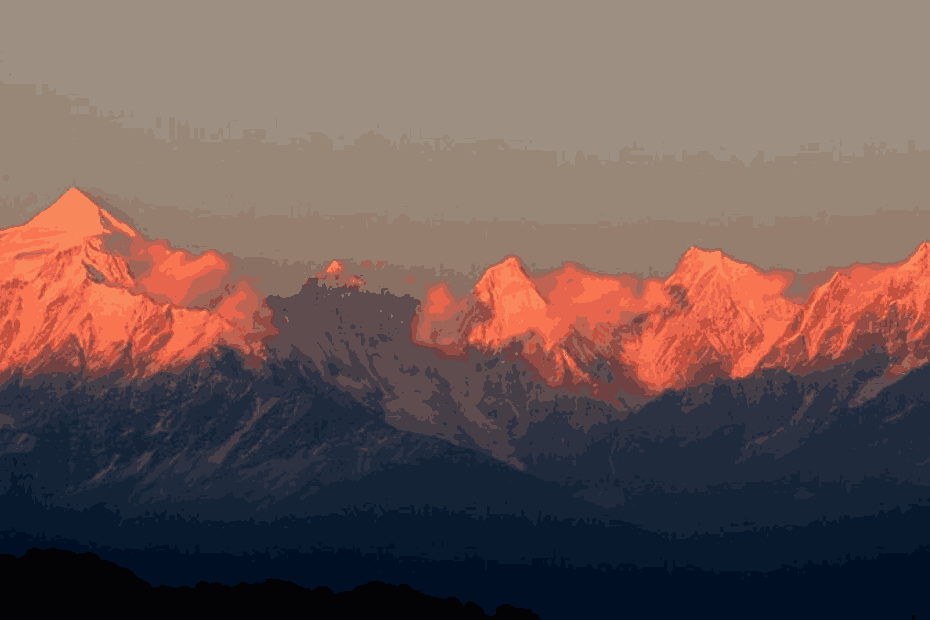
The Panchachuli Peaks, located near Munsiyari in the Kumaon Himalayas, are one of the most beautiful mountain views in Uttarakhand. These five snow-covered peaks change their colors throughout the day, glowing pink and golden in the morning and turning bright white under the sun. Surrounded by forests, valleys, and peaceful villages, the region offers a perfect mix of natural beauty and calmness. However, the experience of seeing Panchachuli depends greatly on the season, as weather, visibility, and travel conditions vary throughout the year. This guide will help you understand the best time to visit based on each season.
Season by Season Guide
Spring — March to April
Temperature: Spring temperatures range between 10°C to 20°C, making it ideal for trekking, exploring nature trails, and enjoying the scenic beauty of the Panchachuli peaks.
What Panchachuli Looks Like (Spring)
Spring (March to April) offers clear skies and beautiful views of the Panchachuli peaks, with snow still visible on the higher summits. The forests come alive with blooming rhododendrons in shades of red and pink, creating a striking contrast with the white peaks.
As winter fades, the landscape becomes colorful and vibrant, making it one of the most scenic times to visit Munsiyari.
What you can do in spring:
- Trek to Khaliya Top — the most popular viewpoint above Munsiyari, offering a panoramic view of Panchachuli, Nanda Devi, and Rajrambha peaks
- Explore Birthi Falls as the winter ice melts and water volume increases
- Birdwatching in the rhododendron forests
- Village walks through the surrounding Johar Valley communities
March specifically: March marks the retreat of winter, with snow still visible on higher peaks while lower regions begin to thaw. The trails reopen, roads are in good condition, and the combination of lingering snow and blooming flowers creates a scene that photographers go wild for.
April specifically: Warmer days, clearer skies, more trail options opening up. The rhododendrons reach their peak bloom, and the views of Panchachuli in April morning light are genuinely outstanding.
Who should visit in spring:
- Photographers who want the combination of flowers and snow peaks
- Trekkers who want to cover trails before the summer crowds arrive
- Nature lovers and birdwatchers
- Anyone visiting for the first time
Travel tip: Roads are open and in good condition compared to monsoon. Pack a warm jacket and light woollens.
Summer — May to June
Temperature: Summers in Munsiyari are perfect for tourists who want to escape the heat of the plains. The weather remains cool and pleasant, with temperatures ranging from 15°C to 25°C.
What Panchachuli Looks Like (Summer)
Summer (March to June) is a popular time to visit Munsiyari, with pleasant temperatures between 8°C and 25°C. The valleys turn lush green, trekking routes are fully open, and the Panchachuli peaks are clearly visible on most mornings.
Early summer, especially June, offers great views at sunrise. However, clouds often gather by afternoon, so the best time to see the peaks is between 6–7 AM, when they appear sharp and stunning against the clear sky.
What you can do in summer:
- All major treks are open: Milam Glacier Trek, Ralam Glacier Trek, Nanda Devi East Base Camp
- Khaliya Top trek — at its most accessible
- River rafting in Gori Ganga river
- Camping in high-altitude meadows
- Village exploration and cultural experiences
- Shop for Munsiyari’s famous Pashmina shawls and local woolens
May specifically: This is the most popular time to visit Munsiyari. The weather remains pleasant with daytime temperatures between 12°C to 22°C. Nights are cool, around 6°C to 10°C. Snow at lower altitudes melts, making way for green meadows. Good road connectivity; perfect for family vacations and group tours.
Who should visit in summer:
- Families with children
- First-time visitors wanting the complete, comfortable experience
- Serious trekkers tackling the longer glacier routes
- Anyone wanting warm, stable weather
Travel tip: Since this is a popular time, early hotel bookings are advised. Book at least 3 to 4 weeks in advance, especially for May weekends.
Monsoon — July to September
Temperature: Warm but comfortable, typically 14°C to 24°C. Rain is frequent.
What Panchachuli Looks Like (Monsoon)
During the monsoon (June to September), views of the Panchachuli peaks are mostly limited and unpredictable, as clouds cover them for much of the day. Occasional clear breaks may offer brief glimpses, but consistent views are rare.
While Munsiyari turns lush green and beautiful, heavy rainfall often leads to landslides and slippery roads, making travel risky. However, the season has its own charm—waterfalls like Birthi Falls are at their peak, and the valleys look vibrant and refreshing.
What you can do in monsoon:
- Visit Birthi Falls (most impressive this season)
- Slow walks through green forest trails (short, manageable paths only)
- Cultural exploration of Munsiyari town
- Homestay experiences with local families
Who should visit in monsoon:
- Extremely budget-conscious travellers (accommodation and transport are cheapest)
- Those who do not mind weather uncertainty
- People specifically wanting the waterfall experience
Travel tip: Check road conditions daily. Keep plans flexible. Do not attempt major treks or high-altitude routes during peak monsoon weeks.
Autumn — October to November
Temperature: Temperatures during autumn range from 20°C to 15°C. Days are warm, evenings are cool, and the air has a crispness that makes everything feel more vivid.
What Panchachuli Looks Like (Autumn)
Autumn (September to November) is considered the best time to witness the Panchachuli peaks in their full clarity. After the monsoon, the skies are clear, the air is fresh, and there is no dust or haze. The peaks appear incredibly sharp and almost within reach, especially on bright October mornings, with snow gleaming against a deep blue sky.
The surrounding landscape takes on warm golden tones, with trees turning shades of amber and russet, creating a striking contrast with the snow-covered Himalayas. The crisp air and calm atmosphere make autumn a perfect season to visit Munsiyari.
What you can do in autumn:
- Watch sunrise on the Panchachuli peaks from Munsiyari town
- Trek to Khaliya Top for the finest panoramic view of all five peaks
- Autumn trekking on September to November — best window for sharp, postcard-clear Panchachuli panoramas
- Photography walks through the golden-leaved forests
- Village festivals and local cultural events (harvest season)
October specifically: Perfect weather, perfect visibility, perfect temperature. This month alone is worth planning the entire trip around. Wake up early, step outside, and the peaks are right there — impossibly clear and impossibly beautiful.
November specifically: November is the month when winter officially begins. Snowfall in Munsiyari begins in late November or early December. Early November is still excellent for views and comfortable trekking. Late November brings the first hints of winter cold — wonderful for some, challenging for others.
Who should visit in autumn:
- Photographers — this is your season, without question
- Trekkers wanting the clearest conditions
- Couples seeking a romantic, atmospheric mountain experience
- Anyone who wants the best possible Panchachuli views
Travel tip: Book accommodation early. October in particular fills up fast. The combination of perfect weather and beautiful scenery draws more visitors than any other month except May.
Winter — December to February
Temperature: Munsiyari turns into a winter wonderland during this period. The Munsiyari snowfall time usually begins in late December and continues through January and February. Temperatures can fall to -5°C or lower.
What You Can Do in Winter
- Skiing at Betulidhar (about 7 km from Munsiyari)
- Snow trekking to Khaliya Top (with a guide)
- Snowboarding and other snow activities
- Photography of Panchachuli at sunrise
- Relaxing in a warm homestay with mountain views
Winter is also ideal for those who prefer peaceful travel, as fewer tourists visit, offering a quiet and serene experience amidst snow-covered landscapes.
December specifically: If you’re visiting Munsiyari in December, be prepared for chilly weather, as the Munsiyari temperature in December hovers between -3°C to 12°C. The beginning of December might offer milder conditions, but as the month progresses, snow becomes more likely.
January–February specifically: The coldest months. Heavy snowfall is common. Roads can occasionally be difficult. But when the sun comes out and the air clears — the views of Panchachuli covered in fresh snow are genuinely among the most extraordinary mountain views in India.
Who Should Visit in Winter
- Snow lovers and winter adventure seekers
- Skiers and snowboarders
- Photographers looking for dramatic mountain views
- Those who prefer peace and fewer crowds
Travel Tip: Carry heavy woollens, thermals, and snow boots. Choose heated stays or homestays with fireplaces, and go for guided snow treks only.
Conclusion
Visiting the Panchachuli Peaks is not just about seeing mountains—it is about experiencing nature in its purest form. Each season offers something different, from blooming flowers in spring to clear skies in autumn and snow-covered landscapes in winter. While autumn is considered the best time for clear views, the right season ultimately depends on what kind of experience you are looking for. With proper planning and the right timing, a trip to Panchachuli and Munsiyari can become a truly memorable and peaceful Himalayan journey.
