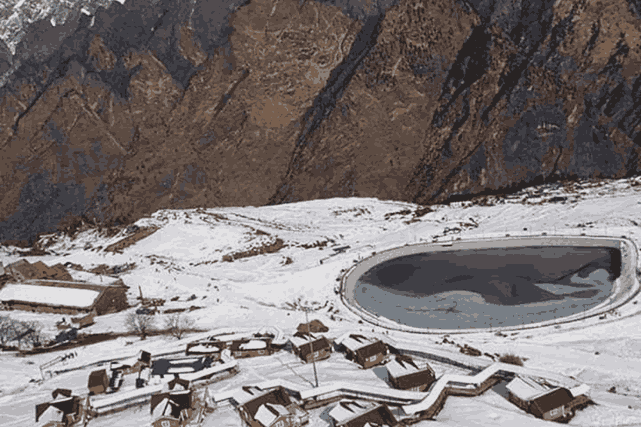
Planning a peaceful mountain getaway from Delhi to Auli is, without a doubt, a great choice. In fact, it is one of the most beautiful and refreshing trips in North India. Auli is famous for its snow-covered slopes, cool weather, and stunning views of the Himalayas.
Moreover, the journey from Delhi to Auli is not just about reaching the destination. Instead, it is about enjoying the entire route. Along the way, you will pass through holy towns like Haridwar and Rishikesh, travel alongside rivers, and gradually move into peaceful mountain roads that lead to Joshimath, the gateway to Auli.
Therefore, this guide will help you understand the distance, travel options, travel time, and useful tips in a simple and easy way. Whether you are planning a snow trip, a family vacation, or simply a relaxing break from city life, it will make your journey smoother and more enjoyable.
Distance from Delhi to Auli
The distance from Delhi to Auli is approximately 500 kilometers by road, and generally, the journey takes around 12 to 14 hours, depending on traffic and weather conditions. Along the way, the route passes through beautiful and important towns like Haridwar and Rishikesh, before reaching Joshimath, which is the last major stop before Auli.
From there, Auli is just 16 kilometers away, and this final stretch can be covered either by road or by the famous ropeway. Although the distance may seem long, the journey is very scenic. In fact, you will enjoy beautiful views of rivers, mountains, and forests, making it a truly memorable experience for travelers.
Travel Options — How to Get from Delhi to Auli
There is no direct train or bus to Auli itself—the town sits high in the mountains and is accessible only by road (or the famous ropeway from Joshimath). However, reaching Auli is still quite simple. In fact, there are three clear and practical ways to complete the journey.
Option 1 — By Train + Road (Most Popular Route)
This is what most travellers choose, and for good reason. It combines the comfort of a train journey with a scenic mountain road drive at the end.
Step 1 — Take a train from Delhi to Haridwar or Rishikesh
Several trains run daily from Delhi (New Delhi Station or Hazrat Nizamuddin) to Haridwar and Rishikesh.
| Train Journey | Distance | Duration |
|---|---|---|
| Delhi to Haridwar | ~210 km | 4 to 5 hours |
| Delhi to Rishikesh | ~220 km | 5 to 6 hours |
Popular trains on this route include the Shatabdi Express and Jan Shatabdi Express—both comfortable, reliable, and affordable. Additionally, these trains are known for their punctuality and convenience. Therefore, it is advisable to book your tickets in advance, especially during weekends and holidays.
Step 2 — Take a bus or taxi from Haridwar/Rishikesh to Joshimath
From Haridwar or Rishikesh, the road journey to Joshimath covers approximately 270 km and takes around 7 to 9 hours depending on traffic and road conditions.
The route passes through the sacred confluences of Devprayag, Rudraprayag, and Karnprayag — if you have never seen the meeting of rivers in these dramatic Himalayan gorges, make sure you stop and look. It is genuinely extraordinary.
GMOU buses and shared taxis are available from Rishikesh bus stand. Private taxis from Haridwar or Rishikesh to Joshimath can be booked easily.
Step 3 — Joshimath to Auli (Last Leg)
Once you are in Joshimath, you have two lovely options to reach Auli:
- By Ropeway: Asia’s longest and highest gondola ropeway runs from Joshimath to Auli — a 4 km cable car ride that takes about 25 minutes and offers views that will make you forget everything you were worried about. Highly recommended.
- By Road: A 13 km road connects Joshimath to Auli. Taxis and jeeps make this journey in about 30 to 45 minutes.
Total travel time by train + road: approximately 14 to 16 hours (best done over two days with an overnight stop).
Option 2 — By Bus (Budget-Friendly)
If you prefer to travel by bus all the way, Uttarakhand Transport Corporation (UTC) and GMOU operate buses from Delhi’s ISBT Kashmere Gate to Joshimath.
Key details:
- Departure point: ISBT Kashmere Gate, Delhi
- Distance: ~490 km
- Travel time: 12 to 14 hours (overnight buses available)
- Bus type: Ordinary, semi-deluxe, and Volvo AC buses
- From Joshimath: Take the ropeway or taxi to Auli
The overnight Volvo bus from Delhi to Rishikesh or Haridwar (departing around 9 to 10 PM) is a popular choice — you arrive refreshed in the early morning and can continue your journey by road.
Best for: Budget travellers, solo visitors, backpackers.
Option 3 — By Car/Self-Drive (Most Flexible)
Driving from Delhi to Auli is a genuine Himalayan road trip and many travellers choose it precisely for that reason. The full route is approximately 490 to 500 km and takes about 12 to 14 hours of driving time — best covered comfortably over two days.
Recommended Route:
Delhi → NH-58 → Haridwar → Rishikesh → Devprayag → Rudraprayag → Karnprayag → Chamoli → Joshimath → Auli
Suggested overnight stops:
- Day 1: Drive Delhi → Rishikesh or Rudraprayag (rest overnight)
- Day 2: Continue → Joshimath → Auli
Key driving tips:
- The roads up to Rishikesh are wide and smooth — national highway standard
- Beyond Rishikesh, the road narrows and winds through mountain terrain — drive slowly and carefully
- Mountain roads can have blind curves — always honk before turns
- Carry fuel from Joshimath as petrol stations become sparse beyond this point
- Check road conditions before departure, especially during and after monsoon
Best for: Families, groups, people who enjoy road trips and flexibility.
Option 4 — By Helicopter (Fastest, Premium)
Helicopter services operate from Sahastradhara in Dehradun to Auli — covering the distance in a matter of minutes with views that no ground journey can match. This option is particularly useful for elderly visitors or those with very limited time.
Travel time: Approximately 45 minutes to 1 hour
Note: Helicopter services are weather-dependent and require advance booking. Availability may vary by season.
The Best Time to Make This Journey
Winter (December to February) — Best for skiing. Auli is blanketed in snow and the slopes are active. This is when the town is most alive with winter sports enthusiasts. The roads can be challenging in heavy snowfall, so check conditions carefully.
Spring (March to May) — Snow begins melting and the Bugyal meadows start turning green. Fewer crowds than peak ski season. Very pleasant weather.
Summer (June to August) — Auli transforms into a green meadow paradise. The Gorson Bugyal trek is stunning. Avoid July to August during heavy monsoon when mountain roads can be prone to landslides.
Autumn (September to November) — Clear skies, excellent views of Nanda Devi and other peaks, comfortable temperatures. One of the best times for photography and trekking.
Tips for Travellers — Read Before You Go
Planning Your Journey
- Book train tickets early — trains between Delhi and Haridwar/Rishikesh fill up fast, especially on weekends and holiday seasons.
- Give yourself two days — trying to drive or travel from Delhi to Auli in a single day is exhausting and leaves no time to enjoy the journey.
- Plan an overnight in Rishikesh or Joshimath — both are wonderful towns in their own right and worth a night’s stay.
On the Road
- Start early. Mountain driving is best done in daylight. Aim to leave Delhi or Rishikesh by 6 AM.
- Carry snacks and water for the mountain section where options become limited.
- Do not rush on mountain roads. The hairpin bends demand patience and careful speed.
- Download offline maps before you leave — mobile connectivity can be patchy in some mountain sections.
At Altitude
- Acclimatize slowly. Auli sits at over 2,500 metres. If you have come from Delhi’s sea-level heat, give your body a day to adjust before any strenuous activity.
- Dress in layers. Even in summer, evenings at Auli are cold. In winter, thermal innerwear, heavy jackets, gloves, and a warm hat are absolutely essential.
- Stay hydrated. High altitude can cause dehydration more quickly than you expect.
What to Carry
warm clothing — even in summer, carry a jacket Good walking or trekking shoes Sunscreen — sun is stronger at altitude Personal medicines and a basic first aid kit cash — ATMs can be unreliable at high altitude; carry enough Power bank — charging options can be limited Reusable water bottle.
What to Carry
- Warm clothing — even in summer, carry a jacket
- Good walking or trekking shoes
- Sunscreen — sun is stronger at altitude
- Personal medicines and a basic first aid kit
- Cash — ATMs can be unreliable at high altitude; carry enough
- Power bank — charging options can be limited
- Reusable water bottle
Conclusion — The Journey is Part of the Joy
Delhi to Auli is approximately 490–500 km, and truly, every single kilometre is worth it. Of course, the journey takes time. Yes, the mountain roads require patience, and the altitude may need a little adjustment. However, what you receive in return is something truly special—one of the most beautiful destinations in the Himalayan foothills, fresh and cold air, seasonal snow or green meadows, and views that can quietly change your perspective.
Along the way, you can take a train to Rishikesh, drive past the sacred Prayag confluences, and eventually enjoy the ropeway ride from Joshimath to Auli. Finally, when you step out and stand in front of the mountains, just pause for a moment. Then, look around. At that moment, you will understand exactly why you came.
