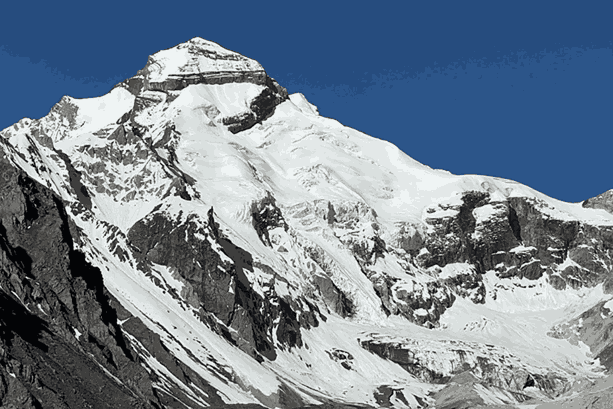
Some trips follow dates, bookings, and budgets, but some journeys call you quietly and personally. Adi Kailash is one such place. It lies in the remote mountains of Pithoragarh district near the India–Tibet border and is also known as Chhota Kailash (Little Kailash) because it closely resembles the sacred Mount Kailash, the abode of Lord Shiva. Rising to an altitude of around 6,310 meters, this destination offers stunning views and a deeply spiritual experience, drawing pilgrims, trekkers, and nature lovers alike.
The journey becomes even more special as you visit sacred sites like Parvati Sarovar, a serene glacial lake linked to Goddess Parvati, and Gauri Kund, which offers one of the most breathtaking views of the Adi Kailash peak. Surrounded by untouched landscapes, quiet valleys, and fresh mountain air, this journey goes beyond reaching a destination—it lets you experience peace, spirituality, and a deep connection with nature that stays with you long after you return.
Distance from Gunji to Adi Kailash
There is also an optional route from Gunji to Nabhidhang (around 25 km), where you can see Om Parvat. Many travelers include this in their trip for a complete spiritual experience.
Altitude — Understanding the Height
Altitude plays a very important role in this journey. Gunji is located at around 3,200 meters, while Jolingkong and nearby areas are above 4,400 meters. Adi Kailash itself rises to about 6,310 meters.
As you go higher, the air becomes thinner, and oxygen levels decrease. This can make you feel tired or uncomfortable if your body is not used to it. That is why it is important to understand altitude before planning this trip.
Altitude Sickness — How to Stay Safe
At high altitudes, some people may face altitude sickness, also known as AMS. Common symptoms include headache, dizziness, nausea, and weakness. This usually happens when you climb too fast without giving your body time to adjust.
To stay safe, you should spend at least one day resting in Gunji before going higher. Drink plenty of water, walk slowly, and avoid rushing. If you feel unwell, it is better to go down to a lower altitude. Taking proper care can make your journey safe and enjoyable.
What to Expect on the Journey — Gunji to Adi Kailash
The journey from Gunji to Adi Kailash is full of natural beauty, peaceful surroundings, and a sense of adventure. As you travel from Gunji towards Jolingkong, you will experience rough mountain roads, deep valleys, and flowing rivers. The drive is not very smooth, but the stunning views of the Himalayas make it worth it.
Along the way, you will pass through remote and beautiful places like Kutti Village, which has cultural and historical importance. The entire route feels quiet and less crowded, giving you a chance to truly connect with nature. You may also see yaks grazing, snow-covered peaks, and wide open landscapes.
After reaching Jolingkong, you will need to walk a short distance of about 3–4 km to reach important sites like Gauri Kund, Parvati Sarovar, and Adi Kailash Temple. This part of the journey is peaceful and scenic, with fresh air and breathtaking views all around.
You should also expect limited facilities during the journey. Mobile networks may not work properly, and basic amenities are available only in selected places. Weather can change quickly, so it is important to stay prepared.
Overall, the journey is a mix of adventure, spirituality, and natural beauty. It may be slightly challenging at times, but the experience is truly rewarding and unforgettable.
Gauri Kund and Adi Kailash View
After reaching Jolingkong, a short walk takes you to Gauri Kund, one of the most beautiful spots of the journey. This small lake is surrounded by mountains and offers the best view of Adi Kailash.
The sight of the snow-covered mountain reflected in the water is truly magical. Many people feel a deep sense of peace and connection at this place. It is a moment that stays with you forever.
Om Parvat — A Unique Experience
If you visit Nabhidhang, you can see Om Parvat, famous for the natural ॐ symbol formed by snow on the mountain. This symbol stays visible throughout the year and holds deep spiritual significance.
Seeing this natural formation is a rare and special experience. It adds a spiritual touch to your journey and makes it even more memorable.
Travel Conditions — Road and Facilities
The road from Gunji to Jolingkong is rough and requires strong vehicles like Bolero jeeps. The journey can be slow due to mountain terrain, landslides, or weather conditions.
Facilities are limited in this region. Mobile network is weak or unavailable, and ATMs are rare. It is important to carry enough cash, food, and essential items with you.
Best Time to Visit
The best time to visit Adi Kailash is from May to June and September to October. During these months, the weather is pleasant, the skies are clear, and you can enjoy beautiful views of the mountains and surrounding landscapes. Roads are also more accessible, making the journey smoother and safer.
In May and June, the snow starts melting, and the valleys become green and lively. The temperature is comfortable, which makes travel and short treks easier. This is a great time for pilgrims and first-time travelers.
The September to October period is considered the best for clear views. After the monsoon, the air becomes fresh and clean, offering stunning views of Adi Kailash and nearby peaks. It is also a perfect time for photography.
The monsoon season (July–August) is not recommended because of heavy rainfall and risk of landslides, which can make travel difficult and unsafe.
During winter (November to April), the region receives heavy snowfall, and routes are usually closed. The temperature drops very low, making it unsuitable for travel.
So, for a safe, comfortable, and memorable journey, plan your Adi Kailash trip between May–June or September–October.
