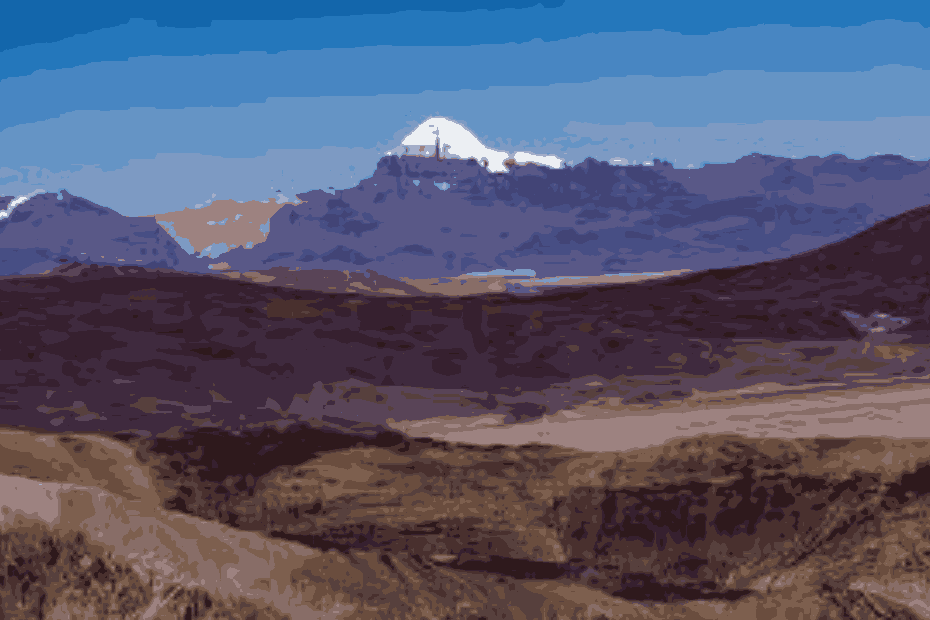
The journey toward Kailash Mansarovar is often described as spiritual, but the experience begins long before travelers reach the sacred mountain itself. In the far northern stretches of Uttarakhand, where roads narrow into mountain paths and clouds drift low across the valleys, two viewpoints quietly shape the journey in unforgettable ways — Lipulekh Pass and Limpiyadhura.
These places are not crowded tourist attractions designed around convenience. They are remote Himalayan landscapes where silence becomes part of the experience. Travelers arrive here not only to see mountains, but to feel something deeper — a sense of distance from ordinary life and a closer connection to nature, spirituality, and themselves.
At a time when more people are seeking meaningful journeys instead of rushed sightseeing, the Kailash Mansarovar route through Uttarakhand offers something rare. It invites travelers to slow down.
Why Lipulekh Pass and Limpiyadhura Are Special
Lipulekh Pass and Limpiyadhura are special because they offer a rare combination of natural beauty, spiritual importance, and peaceful Himalayan landscapes. Located near the borders of India, Nepal, and Tibet, these remote regions are closely connected with the sacred Kailash Mansarovar route.
Lipulekh Pass is known as one of the main gateways for the Kailash Mansarovar Yatra. Pilgrims and travelers pass through this high mountain route while surrounded by snow-covered peaks, deep valleys, and fresh mountain air. The peaceful atmosphere and breathtaking scenery make the journey unforgettable.
Limpiyadhura, on the other hand, is admired for its untouched natural beauty and quiet surroundings. Unlike crowded tourist destinations, the region feels calm and isolated, allowing visitors to experience the true silence of the Himalayas. The changing mountain views, cool climate, and wide landscapes create a unique feeling of peace and reflection.
Together, these places are more than scenic viewpoints. They represent the spiritual and natural beauty of the Himalayan region and give travelers an experience that stays with them long after the journey ends.
Spiritual Significance of the Himalayan Route
The Himalayan route leading toward Kailash Mansarovar holds deep spiritual importance in Indian culture and religious traditions. For centuries, pilgrims have considered the Himalayas a sacred region where nature, faith, and inner peace come together.
Lipulekh Pass is especially important because it serves as one of the traditional routes for the Kailash Mansarovar Yatra. Many devotees believe that traveling through these mountains is not only a physical journey but also a spiritual experience that brings peace, devotion, and self-reflection.
The quiet valleys, snow-covered peaks, flowing rivers, and fresh mountain air create a calm atmosphere that helps travelers feel connected to nature and spirituality. Far away from busy cities and daily distractions, the route allows people to slow down and experience a sense of silence and inner balance.
For many visitors, the journey through the Himalayas becomes memorable not only because of the landscapes but because of the emotional and spiritual feeling the mountains create throughout the route.
Lipulekh Pass: The Gateway Through the Himalayas
Lipulekh Pass is a famous mountain pass in the Himalayas located in Uttarakhand near the borders of India, Nepal, and Tibet. It is one of the main routes used for the sacred Kailash Mansarovar Yatra.
The journey to Lipulekh Pass is full of beautiful mountain views, rivers, valleys, and peaceful villages. As travelers move higher into the Himalayas, the air becomes cooler and the scenery becomes more stunning.
Many visitors feel calm and peaceful here because of the quiet environment and natural beauty. Snow-covered mountains, fresh air, and wide open views make the place special for both pilgrims and adventure lovers.
Travelers visiting Lipulekh Pass usually require official permission because the region is located near an international border area. Permits and travel approvals are important for safety and regulated access during the journey.
Lipulekh Pass is not only important for travel and pilgrimage, but also for the experience it gives people. Standing in the middle of the Himalayas, surrounded by huge mountains and silence, often becomes one of the most memorable moments of the journey.
Limpiyadhura: A Landscape of Silence and Distance
Limpiyadhura is a remote Himalayan region near the borders of India, Nepal, and Tibet. The area is known for its quiet atmosphere, high mountains, and natural beauty.
Unlike busy tourist places, Limpiyadhura feels peaceful and untouched. Travelers can see wide valleys, snow-covered peaks, rocky paths, and clear mountain skies. The silence of the region makes people feel calm and connected to nature.
The weather and scenery keep changing throughout the day. In the morning, sunlight lights up the mountains with soft golden colors, while clouds and mist create a peaceful view in the evening.
Many travelers visit this region not only for the landscapes but also for the feeling it gives them. The slow pace of the mountains, fresh air, and quiet surroundings help people relax and reflect.
Currently, the Limpiyadhura viewpoint is not officially open for regular tourism and public travel. Because of its remote location and sensitive border-region significance, access to the area remains limited.
Limpiyadhura is special because it offers a simple and natural Himalayan experience. It reminds travelers that sometimes the most meaningful journeys are the ones where people slow down and enjoy the beauty around them.
Best Time to Visit Lipulekh Pass and Limpiyadhura
The best time to visit Lipulekh Pass and Limpiyadhura is between May and September, when the weather is clearer and the mountain routes are more accessible. During these months, travelers can enjoy beautiful Himalayan views, green valleys, flowing rivers, and pleasant daytime weather.
Early mornings usually offer the clearest views of the snow-covered mountains, while evenings bring cool winds and peaceful scenery. The summer and monsoon months also make the surrounding landscapes look fresh and vibrant.
Because these regions are located at high altitude near border areas, weather conditions can change quickly. Travelers are advised to check travel permissions, route conditions, and weather updates before planning the journey.
Travel Tips for Visitors
- Carry warm clothing because mountain temperatures can change quickly.
- Travel slowly and stay hydrated due to the high altitude.
- Respect local culture and protect the natural environment.
- Start journeys early in the morning for clearer mountain views.
Conclusion
Lipulekh Pass and Limpiyadhura are more than viewpoints along the Kailash Mansarovar route. They are experiences shaped by altitude, silence, faith, and the immense scale of the Himalayas.
One offers the feeling of crossing into something sacred. The other invites quiet reflection beneath endless mountain skies.
Together, they remind travelers that the most meaningful journeys are not always defined by luxury or convenience. Sometimes, they are defined by cold winds, long mountain roads, shared silence, and the sudden realization that nature can make a person feel both small and deeply connected at the same time.
For those considering the journey toward Kailash Mansarovar, these viewpoints are not simply places to visit. They are places to pause, observe, and carry forward long after the mountains disappear behind the road home.
