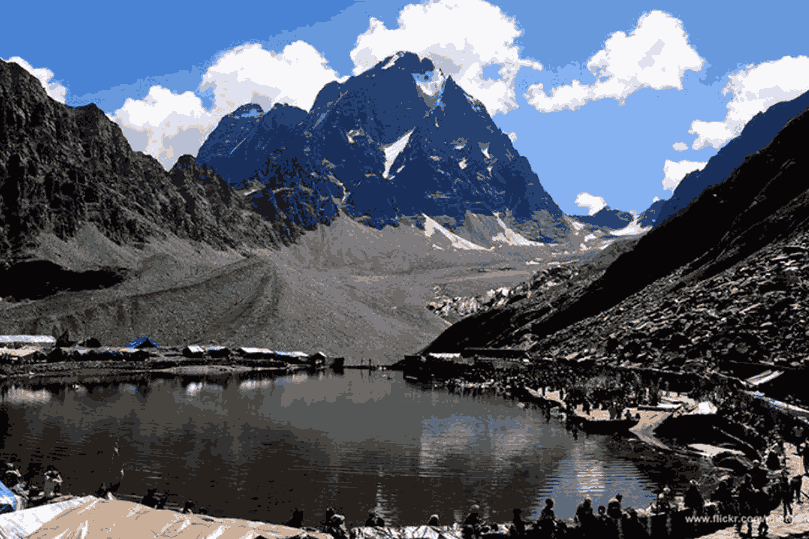
Weather at Manimahesh Kailash is highly unpredictable due to its high altitude of 4,080 meters. The temperature and conditions can change rapidly within a few hours. In the morning, the weather is usually clear and pleasant, offering beautiful views of the mountains. However, as the day progresses, clouds often gather, and there may be rain, fog, or strong cold winds.
Even during summer months, the temperature remains cool, and nights can become very cold, sometimes close to freezing near the lake. The air is thinner at this height, which can make the cold feel more intense. Sudden fog can reduce visibility on the trekking route, making it important to stay alert and follow marked paths.
Rain is common, especially during the monsoon season, which makes the trail slippery and challenging. Winds near the lake area are often strong and chilly, so proper clothing is essential. Because of these conditions, trekkers can experience different types of weather—sunny, rainy, and windy—all in a single day.
Understanding the weather at Manimahesh is very important for planning a safe and comfortable trek. It helps you choose the right time to visit, pack suitable clothes, and avoid risky situations. It is always recommended to start trekking early in the morning, check weather updates, and be prepared for sudden changes in mountain conditions.
Why Weather Changes Quickly at Manimahesh
Weather at Manimahesh Kailash changes rapidly because of its high-altitude Himalayan environment. At 4,080 meters, the air is thinner and holds less heat, which is why temperatures can drop quickly, even during the day. The surrounding mountains also influence weather patterns—clouds can form and move in suddenly, covering the sky within minutes. In addition, shifting wind currents at higher elevations bring unexpected cold winds and moisture, leading to rain or fog without much warning. This combination of altitude, terrain, and wind makes the weather highly unpredictable.
Monthly Weather Breakdown
May – June
During May and June, weather at Manimahesh Kailash is relatively stable and pleasant. Daytime temperatures range between 5°C to 18°C, making it comfortable for trekking. Mornings are usually clear with bright sunshine, offering the best mountain views. As this is the early season, you may still find snow patches in higher sections, especially beyond Dhancho. The trails are less crowded, peaceful, and ideal for those who prefer a quiet trekking experience. Overall, this is considered the best time for trekking with good weather and fewer risks.
July – August
From July to August, the monsoon season begins, bringing frequent rainfall and cloudy conditions. Temperatures stay between 8°C to 15°C, but the weather becomes unpredictable. Trails often turn wet and slippery, increasing the risk of falls. Heavy rain can also cause landslides on roads leading to Bharmour and Hadsar, affecting travel plans. Fog is common and can reduce visibility during trekking. However, this period also marks the beginning of the Manimahesh Yatra, so facilities like food (langar) and camps become more available despite the challenging weather.
August – September
This is the peak pilgrimage season when thousands of devotees visit Manimahesh. The temperature ranges from 5°C to 12°C, and the weather remains mostly cold and cloudy with occasional rain showers. The atmosphere is highly spiritual, with chants, rituals, and community meals along the route. However, due to heavy crowds, the trail becomes busy and sometimes congested. Weather remains unpredictable, so sudden rain or fog can still occur. This time is ideal for those seeking a religious and cultural experience, but not for those looking for solitude.
October (End Season)
In October, the trekking season comes to an end as temperatures drop sharply to 0°C to 10°C. The weather becomes very cold, especially during mornings and nights, and the first snowfall may begin in higher areas. Strong winds and freezing conditions make trekking difficult and risky. Most camps and facilities start shutting down after early October, and the route gradually becomes inaccessible due to snow. It is generally not recommended to plan a trek after this period unless you are well-prepared and experienced.
Weather Tips for Trekkers
Weather at Manimahesh Kailash can change suddenly, so proper preparation is very important.
- Start trekking early in the morning, as the weather is usually clear and stable with better visibility.
- Carry rain protection such as a raincoat or poncho to handle sudden rainfall.
- Wear layered clothing so you can easily adjust to changing temperatures.
- Check weather updates before starting your trek to avoid risky conditions.
- Avoid trekking during heavy rain, as trails become slippery and landslides may occur.
