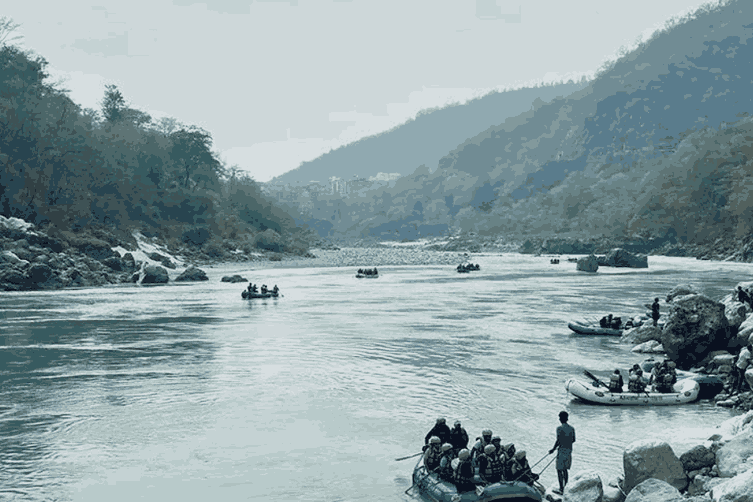
River rafting in Rishikesh is one of the most exciting and popular adventure activities in India. Located on the banks of the sacred Ganga River, Rishikesh is not only known as the “Yoga Capital of the World” but also as a top destination for adventure lovers.
In fact, what makes rafting here special is the perfect mix of natural beauty and thrilling experience. As you ride through the fast-flowing river, you are surrounded by green hills, fresh mountain air, and peaceful surroundings. At the same time, the strong rapids give you an adrenaline rush that makes the experience unforgettable.
Moreover, rafting in Rishikesh is suitable for everyone. There are easy routes for beginners and families, as well as challenging rapids for experienced people. Because of this, thousands of tourists visit every year to enjoy this activity.
Another important point is that rafting here is well-organized and safe. Trained guides, proper safety equipment, and regulated routes ensure that you can enjoy the adventure without worry.
So, whether you are visiting with friends, family, or even solo, river rafting in Rishikesh is a must-try experience that combines fun, adventure, and nature all in one trip.
The Rafting Routes — Choose Your Adventure
One of the most important things to understand before planning river rafting in Rishikesh is the rafting stretch. The stretch decides the distance, difficulty, duration, and type of rapids you will encounter.
Route 1 — Brahmapuri to Rishikesh (9 km)
Grade: I–II | Duration: 1.5 to 2 hours | Difficulty: Easy
Brahmpuri Club House to Rishikesh (9 km) is Grade I, ideal for beginners, families, and kids aged 12 and above.
Popular rapids on this route include Sweet Sixteen, Body Surfing rapid, and a mild version of Double Trouble, making it a safe yet exciting introduction to river rafting.
This route is perfect if you are nervous, if you are bringing children, or if you simply want to enjoy the river without too much intensity. The calm stretches give you time to look around at the forested banks, spot birds, and simply appreciate being on the Ganga.
Price range: ₹600 to ₹800 per person
Route 2 — Shivpuri to Rishikesh (16 km)
Grade: II–III | Duration: 2.5 to 3 hours | Difficulty: Moderate
This is, without question, the most popular rafting stretch in Rishikesh — and it earns that title every single day.
Popular rapids on this route include Roller Coaster, Golf Course, Club House, and Return to Sender — guaranteeing an adrenaline-packed yet safe ride.
The names of those rapids are not random. Roller Coaster earns its name — you go up, you go down, you hold on tight. Golf Course is a wide, sweeping rapid that catches you off guard with its speed. Return to Sender has a way of flipping first-time rafters that the guides find quietly amusing.
This stretch has the perfect balance of genuine excitement and manageable challenge. If you are booking your first real rafting experience, start here.
Price range: ₹900 to ₹1,200 per person
Route 3 — Marine Drive to Rishikesh (24–26 km)
Grade: II–III | Duration: 3 to 4 hours | Difficulty: Moderate to High
You will navigate through thrilling rapids like Black Money, Three Blind Mice, Crossfire, and the famous Roller Coaster and Golf Course — offering an unforgettable mix of excitement and scenery.
This route gives you more time on the water and more rapids to navigate. The riverbanks here are less developed — thick forests, occasional sandy beaches, and the sound of the river filling the valley. It is a beautiful stretch and a genuine step up in challenge from the 16 km route.
Price range: ₹1,200 to ₹1,800 per person
Route 4 — Kaudiyala to Rishikesh (36 km)
Grade: II–IV | Duration: 5 to 6 hours | Difficulty: Advanced
The adventure of the Ganges from Kaudiayala to Rishikesh spans over a distance of 36 km. There are 13 excellent rapids along this stretch. An excellent example is The Wall, where 9 out of every 10 raft boats flip over.
This is the big one. The Wall is not a metaphor — it is a Grade IV rapid that will flip your raft with a cheerful indifference to your plans. The route demands endurance, skill, and courage, offering the wildest and most rewarding white-water journey in Rishikesh.
Do not attempt this route on your first trip. But if you have some rafting experience and you want to know what this river is truly capable of — this is it.
Price range: ₹2,000 to ₹2,500 per person
Safety Tips — Read This Before You Get in the Raft
Rafting in Rishikesh is well-regulated and generally very safe when you follow the rules. Here is what you must know:
Before You Start
Always attend the safety briefing. Every operator provides one before you launch. Do not make the mistake of underestimating the guide’s expertise about rafting techniques and river rapids. Listen to them properly and act as advised to enhance the joy of river rafting even more.
Wear your life jacket properly. It should fit snugly — not loose. A high-buoyancy life jacket keeps you afloat even if you fall in.
Wear your helmet at all times while on the river.
Choose a licensed operator. All licensed rafting companies follow Uttarakhand tourism safety guidelines, so always book through registered operators.
Health and Fitness
Smoking and alcohol are strictly prohibited during rafting. Overweight, pregnant people, or those suffering from any medical conditions will not be allowed for rafting.
If you have heart conditions, high blood pressure, back problems, or any major health concerns — consult your doctor before booking.
Minimum age for most stretches is around 14 years. The gentler Brahmapuri stretch is suitable for children from about 12 years, depending on fitness.
On the Water
Stay in the raft unless your guide tells you otherwise. If you do fall out, float on your back with feet pointed downstream — this is the correct river swimming position.
Hold your paddle correctly. Your guide will show you. A paddle in the water at the wrong moment can hurt someone.
Listen for commands. Forward, back, stop — your guide’s words are instructions, not suggestions.
Rescue kayakers are present on all major stretches, there specifically to help anyone who falls out. You are not alone in the water.
Basic Rafting Techniques — What You Will Actually Do
You do not need to be a trained athlete to go river rafting. But knowing a few basics before you get in makes the whole experience much smoother.
Holding the Paddle
Hold the T-grip at the top with one hand and the shaft with your other hand, roughly halfway down. Keep both hands on the paddle at all times — a loose paddle in a rapid is a safety hazard for the person sitting next to you.
Forward Paddling
Reach the paddle forward, blade fully in the water, and pull it back toward your hip. This is the stroke you will use most. Proper paddling technique and teamwork are crucial for navigating rapids safely. Your guide will coordinate the timing — when everyone paddles together, the raft moves with real power.
Backward Paddling
The reverse of forward. This slows or stops the raft. Your guide calls it when you need to check speed before a drop.
Highside
This is the most important technique for big rapids. If the raft starts to flip, your guide will shout “Highside!” — everyone throws their weight toward the side that is rising. This can prevent a full capsize. When you hear it, move fast.
Body Position
Sit on the outer tube with feet tucked under the thigh straps inside the raft. This keeps you secure during rough water. Lean slightly forward in rapids — it gives you more stability than leaning back.
The key truth about rafting technique is this: your guide does most of the navigation. Your job is to paddle hard on command, stay balanced, and trust the process.
Best Time to Visit Rishikesh for Rafting
Timing genuinely matters for river rafting. Here is what you need to know:
October to November — Exciting and Post-Monsoon Fresh
Many rafters prefer October and November because the river is full after the monsoon, which results in exciting and strong rapids. The skies are crystal clear. The hills are still green from monsoon rain. The water level is high enough for strong rapids but not dangerously so.
This is arguably the best time for experienced rafters who want exciting water.
December to February — Peaceful and Less Crowded
Winter months from December to February are peaceful with fewer crowds. Water remains very cold so proper thermal gear and clothing are needed.
If you prefer quiet days on the river with fewer people and do not mind cold water, winter is lovely. The mornings are crisp, the scenery is beautiful, and booking is easy.
March to June — Warm, Steady, and Peak Season
The strongest rapids appear during March to June when flow increases, making these months ideal for thrill seekers.
Spring and early summer are also the most crowded period. March to May sees huge numbers of visitors — book well in advance and choose morning slots.
July to August — Closed for Safety
Rafting is not conducted from July to August. The river becomes unpredictable, unsafe, and turbulent during the monsoon season, which does not meet the strict safety standards of operators.
Do not attempt to find rafting operators during this period. The closures are there to protect you.
Overall best window: September to June is generally the best time for river rafting in Rishikesh as water levels and temperatures are ideal for the activity.
What to Wear and Bring — Gear Recommendations
Good news — you do not need expensive or specialist gear for most Rishikesh rafting routes. Your operator provides the important safety equipment. Here is what you need to sort yourself:
What to Wear
Quick-dry clothing. Wear light, quick-dry clothes — like shorts and a T-shirt. Avoid jeans and heavy clothes. Denim soaked with water becomes very heavy and uncomfortable.
Water sandals or old sports shoes. Floaters or river sandals are best for footwear. Do not wear new trainers you care about — they will get wet and muddy.
Sunscreen. The sun on the water is stronger than you expect. Apply liberally before you start.
In winter: Wear a thermal layer under your quick-dry clothes and bring a waterproof windcheater for the drive back.
What to Bring
- A change of clothes and a dry towel — you will need them afterward
- A waterproof pouch or dry bag for your phone if you want to take it
- Water bottle — hydration matters, even on the river
- Any required personal medication
- Cash for tips, snacks, or extras not included in your package
What Your Operator Provides
- Approved helmet
- High-buoyancy life jacket
- Paddles
- The raft itself
- Trained, certified river guide
- Safety kayaks on the route
Beyond the Rapids — What Else to Do in Rishikesh
River rafting may be the main attraction, but also Rishikesh offers many other amazing experiences that you should not miss.
Camping by the River
In addition, many camps offer riverside stays where you can relax in nature. Sleeping under the stars and waking up to the sound of the Ganga River is peaceful and refreshing.
Cliff Jumping
Moreover, you can try cliff jumping at safe spots during rafting. With proper guidance, jumping into the river is both exciting and safe.
Kayaking
If you want more adventure, kayaking is a great option. Unlike rafting, you control your own kayak, which makes the experience more challenging and fun.
Bungee Jumping
For thrill lovers, Rishikesh offers one of the highest bungee jumps in India. It adds extra excitement to your trip.
Walk on Ram Jhula & Lakshman Jhula
At the same time, a simple walk on these famous bridges gives you beautiful views of the river and the town.
Triveni Ghat Aarti
Finally, do not miss the evening Ganga Aarti. The sound of prayers and the sight of lamps floating on water create a calm and spiritual experience.
Conclusion — The River is Waiting for You
River rafting in Rishikesh is a real adventure. The rapids are strong, the water is cold, and your heart will beat faster than you expect. At first, it may feel a little scary, but soon, it turns into pure excitement and fun.
In the end, when your raft reaches the riverbank and you step out, you will feel tired but happy. In fact, you may already start thinking about doing it again.
Moreover, Rishikesh is not just a travel destination—it is an experience that refreshes your body and mind. Whether you come alone, with friends, or with family, rafting here creates memories that stay with you for a long time.
At the same time, the Ganga River has been flowing through these mountains for thousands of years. So, when you sit in the raft, you are not just enjoying an activity—you are feeling the power of nature closely.
Finally, all you need to do is plan your route, follow your guide, and give your best while paddling. Then, the river will take care of the rest.
