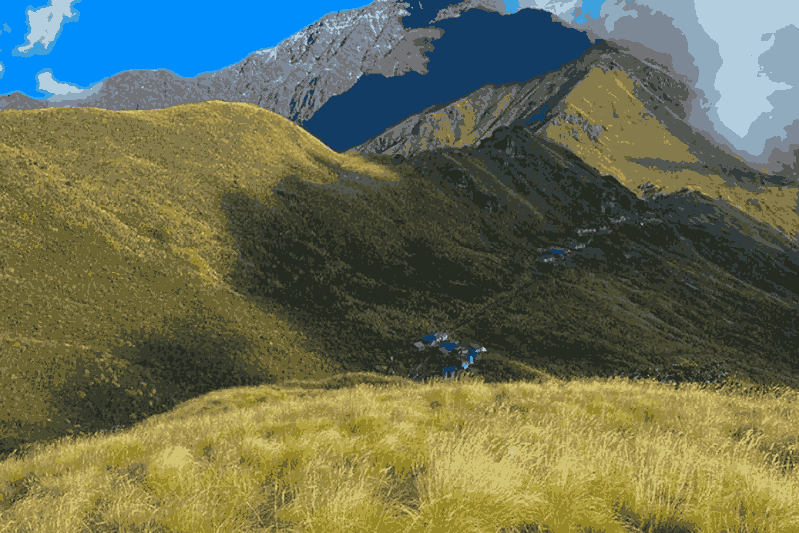
The trek to Rudranath Temple is one of the most peaceful and spiritual journeys in Uttarakhand. This temple is dedicated to Lord Shiva and is one of the sacred Panch Kedar temples, which are highly important in Hindu belief.
Rudranath is located at a high altitude of around 3,600 meters, deep inside the Garhwal Himalayas. Unlike other temples that are easily accessible, reaching Rudranath requires a long trek through forests, rivers, and open grasslands (called bugyals). This makes the journey more adventurous and special.
During the trek, you will walk through:
- Thick forests filled with oak and rhododendron trees
- Beautiful green meadows with wide mountain views
- Quiet and less crowded paths
- Natural water streams and peaceful surroundings
One unique thing about Rudranath is that the temple is surrounded by natural rock formations and is believed to be the place where Lord Shiva’s face appeared. Because of this, it holds deep religious importance.
This trek is not just about reaching the temple—it is about enjoying nature, finding peace, and experiencing the beauty of the Himalayas away from busy tourist places. It is perfect for people who love trekking, nature, and spirituality.
Rudranath Trekking Distance
1. Sagar Village Route
The trek to Rudranath Temple via Sagar Village is the most popular and widely used route. It covers a distance of around 20–24 km (one way) and usually takes 2 to 3 days to complete. The trek starts from Sagar Village, which is located near Gopeshwar. The route passes through beautiful locations like Lyuti Bugyal, Panar Bugyal, and Pitradhar, offering stunning views of the Himalayas. Although the trail involves steep climbs and long walking hours, it is well-defined and considered safer compared to other routes. Because of its scenic beauty, better trail conditions, and availability of basic stay options, this route is ideal for both beginners and experienced trekkers.
2. Mandal Route
The Mandal route is a slightly shorter option, covering approximately 18–20 km to reach Rudranath Temple. It begins from Mandal Village, also located near Gopeshwar, and takes around 2 to 3 days to complete. This route passes through the famous Anusuya Devi Temple and continues through dense forests filled with oak and rhododendron trees, along with scenic meadows. The trek is considered moderate in difficulty, making it suitable for trekkers who prefer a less crowded and more peaceful journey. It offers a calm and spiritual atmosphere, ideal for those who want to enjoy nature without heavy tourist rush.
3. Gopeshwar Route
The route starting directly from Gopeshwar is the longest, covering a distance of about 22–25 km (one way) and usually taking 3 to 4 days to complete. This route is less commonly used because the trails are not as clearly defined and can be more rugged and physically demanding. It is considered difficult and is recommended mainly for experienced trekkers. However, this path offers a unique experience of solitude, untouched landscapes, and raw Himalayan beauty. It is perfect for adventure seekers who want to explore a less crowded and more challenging trekking route.
Trek Highlights
- Panoramic views of the Himalayas
- Peaceful environment with fewer crowds
- Sacred temple of Lord Shiva
- Lush green meadows (Bugyals)
- Rich biodiversity and forest trails
Difficulty Level
The Rudranath trek is considered moderate to difficult due to:
- Long trekking distance
- Steep ascents and descents
- High altitude (~3,600 meters)
Proper physical fitness and preparation are essential.
Best Time to Visit Rudranath Trek
May to June (Pleasant & Clear Weather)
- Weather remains pleasant and comfortable (cool days, slightly cold nights)
- Clear mountain views of the Himalayas
- Meadows (bugyals) are lush green and full of flowers
- Best time for first-time trekkers
- Temple remains fully accessible
This is one of the most popular seasons to visit Rudranath Temple because of stable weather and beautiful scenery.
September to October (Best Trekking Season)
- Fresh and clean environment after monsoon rains
- Crystal-clear views of snow-capped peaks
- Weather is cool and stable, ideal for trekking
- Trails are less slippery compared to monsoon
- Fewer crowds than summer
This is considered the best time overall for trekking due to perfect weather and visibility.
Monsoon (July to August – Avoid)
- Heavy rainfall makes trails slippery and dangerous
- High risk of landslides and road blockages
- Poor visibility due to fog and clouds
- Leeches and insects are common
Trekking is not recommended during this season.
Winter (November to April – Avoid)
- Heavy snowfall covers trekking routes
- Extreme cold temperatures (below freezing)
- Temple area becomes inaccessible
- High risk for unprepared trekkers
This period is not suitable for trekking as routes are mostly closed.
Travel Tips for Rudranath Trek
Carry Warm Clothes (Even in Summer)
- Temperature in the mountains can drop suddenly, especially in the morning and night
- Carry layered clothing (jacket, sweater, thermals) so you can adjust easily
- Don’t forget gloves, cap, and woolen socks
Even in summer, Rudranath can feel quite cold due to high altitude.
Start Trek Early in the Morning
- Begin your trek early (5–7 AM) to cover more distance comfortably
- Weather is usually clear and stable in the morning
- Helps you avoid afternoon fog or rain
Early start ensures a safer and more relaxed trekking experience.
Stay Hydrated & Carry Energy Snacks
- Drink water regularly to avoid dehydration and fatigue
- Carry energy-rich snacks like dry fruits, chocolates, and energy bars
- Small, frequent eating helps maintain energy levels during long walks
Proper hydration is very important at high altitudes like Rudranath Temple.
Hire a Local Guide (For Beginners)
- Trails can be confusing or less marked in some sections
- A guide helps with navigation, safety, and local knowledge
- They can also assist in finding stay and food options
Highly recommended if you are trekking for the first time.
Respect Nature & Avoid Littering
- Carry your waste and use dustbins or bring it back
- Avoid plastic use and protect the natural environment
- Respect local culture and religious places
Keeping the Himalayas clean helps preserve its beauty for future trekkers.
Conclusion: A Journey Beyond Just a Trek
The trek to Rudranath Temple is not only about covering distance—it is a complete experience of nature, spirituality, and self-discovery. Every step of the journey takes you through untouched forests, wide alpine meadows, and peaceful mountain landscapes that feel far away from the noise of daily life.
What makes Rudranath special is its raw and less crowded environment. Unlike many popular trekking destinations, this trail still holds a sense of purity and calmness. The effort required to reach the temple adds to its importance, making the visit more meaningful and memorable.
At the same time, this trek demands proper planning and preparation. The long distance, changing weather, and high altitude can be challenging, especially for beginners. Choosing the right route, carrying essential gear, and respecting nature are key to having a safe and enjoyable journey.
In the end, Rudranath is not just a destination—it is a journey that connects you with the beauty of the Himalayas and inner peace. Whether you are a trekker, a nature lover, or a spiritual traveler, this experience stays with you long after the trek is over.
