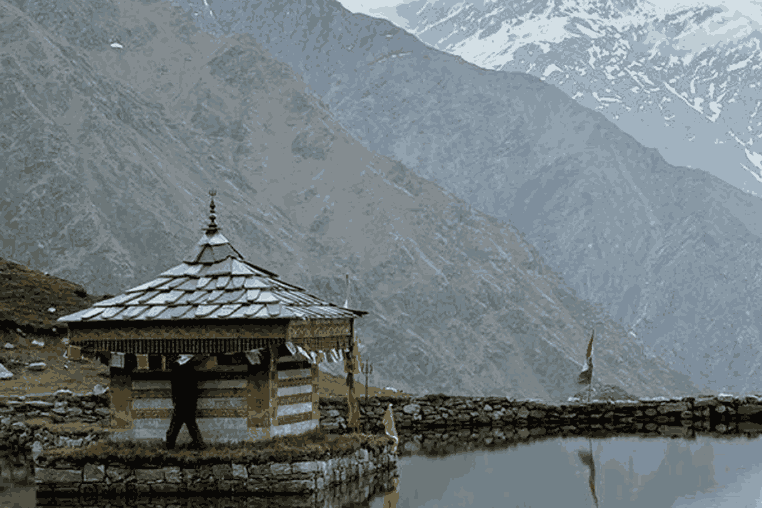
If you’re looking for a hidden gem in Himachal Pradesh that most trekkers haven’t discovered yet, the Yulla Kanda trek is your answer. Tucked away in the Kullu district, this incredible trail takes you through dense oak and rhododendron forests, open meadows, and finally to a breathtaking sacred alpine lake at the summit.
The Yulla Kanda trek distance is approximately 28 to 32 kilometres in total, covering a round trip from the base village of Shanag (or Shuru) to the Yulla Kanda summit at around 3,850 metres (12,630 feet). Most trekkers complete this journey comfortably over 3 to 4 days, depending on pace, fitness level, and weather conditions. The trail is moderately difficult, making it accessible to beginners with reasonable fitness while still exciting enough for seasoned trekkers.
Why You Should Visit Yulla Kanda Trek Once in a Lifetime?
The Yulla Kanda trek isn’t just a walk in the mountains — it’s a full sensory experience. Here’s why trekkers who do it once always want to return:
- Off-the-beaten-path: Unlike Kheerganga or Hampta Pass, Yulla Kanda sees far fewer tourists, giving you a more raw and intimate mountain experience.
- Sacred alpine lake: The glacial lake at the top holds deep religious significance for local communities — seeing it feels like a privilege.
- Rich biodiversity: The trail passes through forests alive with birds, wildflowers (especially during summer), and if you’re lucky, Himalayan wildlife.
- Panoramic summit views: On clear days, you can spot peaks like Deo Tibba and Indrasan from the top.
- Cultural immersion: The route passes through traditional Kullu villages where you can experience authentic Himachali hospitality.
Simply put, Yulla Kanda offers everything — adventure, spirituality, nature, and culture — in one compact trek.
How to Reach Yulla Kanda Trek by Road, Train, and Air?
Getting to the Yulla Kanda trek starting point is straightforward:
By Air:
The nearest airport is Bhuntar (Kullu-Manali Airport), about 10–15 km from Kullu town. Flights connect from Delhi, Chandigarh, and Mumbai. From Bhuntar, hire a taxi to Shanag village (approx. 70 km, 2–3 hrs).
By Train:
The closest major railway stations are Jogindernagar (Narrow Gauge) or Chandigarh/Pathankot (Broad Gauge). From there, take a bus or taxi to Kullu, then onwards to Shanag.
By Road:
Kullu is well-connected via NH3 (Chandigarh–Manali Highway). From Delhi, it’s roughly 510 km (10–12 hrs drive). Regular HRTC buses and private taxis run from Delhi, Chandigarh, and Manali to Kullu. From Kullu, local jeeps or taxis take you to Shanag village.
Best Time to Visit Yulla Kanda Trek – Month Wise Guide
The best time to visit Yulla Kanda Trek depends on the weather, trail conditions, and the type of experience you are looking for. While the trek remains beautiful throughout the trekking season, certain months offer better visibility, safer trails, and more comfortable temperatures.
April to June – Best Season for Trekking
April to June is considered the ideal time for the Yulla Kanda Trek. The weather remains pleasant, snow begins to melt, and the forests come alive with colorful rhododendron blooms. Trekkers can enjoy clear mountain views, comfortable daytime temperatures, and excellent camping conditions during these months.
July to August – Monsoon Season
The monsoon season brings heavy rainfall to the region, making the trails slippery and challenging. Landslides and poor visibility can also affect the trekking experience. For safety reasons, it is generally recommended to avoid the Yulla Kanda Trek during July and August.
September to October – Excellent Post-Monsoon Views
September and October offer some of the clearest views of the Himalayan peaks. The landscapes look fresh after the monsoon rains, and the weather remains stable for trekking. This period is perfect for photographers and nature lovers looking to experience the beauty of the mountains.
November to March – Winter Season
During winter, the Yulla Kanda region receives heavy snowfall, and the trekking route often becomes inaccessible. Extremely cold temperatures and snow-covered trails make trekking difficult for most visitors. Therefore, this season is not recommended for the trek.
Popular Places to Visit Near Yulla Kanda Trek, Himachal
While you’re in the region, don’t miss these nearby attractions:
- Bijli Mahadev Temple – A famous Shiva temple perched on a hilltop near Kullu with panoramic valley views.
- Great Himalayan National Park – A UNESCO World Heritage Site just a short drive away, perfect for wildlife spotting.
- Kasol & Kheerganga – The beloved Parvati Valley offers multiple short treks and vibrant café culture.
- Naggar Castle – A historic castle-turned-heritage hotel overlooking the Beas River Valley.
- Rohtang Pass – If you’re extending your trip to Manali, Rohtang offers snow even in summer months.
Major Highlights of Yulla Kanda Trek and Sacred Lake View
The Yulla Kanda trek has several moments that will genuinely take your breath away:
The Sacred Lake:
At the summit, a crystal-clear glacial lake sits in a natural bowl surrounded by snow-capped ridges. Local Gaddi shepherds consider it sacred and offer prayers here during their seasonal migrations. The stillness of this lake, mirroring the mountains above, is something photographs simply can’t capture.
Sunrise from the Summit:
If you time your ascent right, the su nrise view from Yulla Kanda is otherworldly — golden light spilling over distant peaks like Deo Tibba (6,001 m) and Indrasan (7,074 m).
Rhododendron Forests:
In spring, the forests blaze with red, pink, and white rhododendron blossoms. Trekking through them feels like walking through a painting.
Shepherd Culture:
You may cross paths with Gaddi shepherds moving their flocks to high-altitude pastures — a living cultural tradition that has continued for centuries.
Packing Checklist for Yulla Kanda Trek in Himachal Pradesh
Pack smart — both under-packing and over-packing can ruin a trek.
Clothing
- Moisture-wicking base layers (2 sets)
- Insulating mid-layer (fleece or down jacket)
- Waterproof and windproof outer shell jacket
- Trekking pants (avoid jeans)
- Warm hat, gloves, and buff/neck gaiter
- Thermal innerwear for nights
- Sturdy trekking boots (ankle support essential)
- Camp sandals/slippers
- Woollen socks (at least 3–4 pairs)
- Sun hat and UV-protection sunglasses
Gear and Eqauipment
- 50–60L trekking backpack with rain cover
- Trekking poles (strongly recommended)
- Sleeping bag rated to -5°C or below
- Headlamp with extra batteries
- Sunscreen SPF 50+
- Personal first aid kit (include altitude sickness tablets)
- Water bottles (at least 2 litres capacity)
- Water purification tablets or filter
- Energy snacks (trail mix, dry fruits, protein bars)
Other Important Things
- Government-issued ID proof
- Emergency cash (ATMs unavailable on trail)
- Offline maps downloaded (Google Maps or Maps.me)
- Personal medicines and prescription drugs
- Lightweight camera or phone with extra power bank
- Trekking permit (if required — check current regulations)
- Reusable trash bag (leave no trace!)
Travel Tips for Yulla Kanda Trek – Safety, Network & ATMs
A few practical notes to ensure a safe, smooth experience:
- Mobile network: Expect limited to no connectivity beyond Shanag. BSNL has the best coverage in remote Himachal areas.
- ATMs: Withdraw cash before leaving Kullu town — there are no ATMs near the trailhead.
- Altitude awareness: Ascend gradually. If you feel symptoms of Acute Mountain Sickness (AMS) — headache, nausea, dizziness — descend immediately and do not push through.
- Hire a local guide: For first-timers, a local guide is invaluable for navigation and emergency assistance. They also support the local economy.
- Start early: Begin each trekking day by 6–7 AM to avoid afternoon clouds and potential rain.
- Water: Never drink directly from streams. Carry purification tablets or a filter.
- Leave no trace: The Yulla Kanda region is pristine. Take all your waste back with you.
Mythology of Yulla Kanda Trek and Cultural Significance
The word “Kanda” in local Himachali dialects means a high ridgeline or peak. Yulla Kanda holds deep mythological significance for the Gaddi community, the traditional shepherd tribe of the Kullu and Kangra valleys.
According to local lore, the sacred lake at the summit is believed to be blessed by Lord Shiva. Gaddi shepherds perform puja (prayers) at the lakeside before moving their flocks to the high pastures each summer — a tradition that has been alive for generations. Some stories describe the lake as appearing and disappearing based on the purity of the visitor’s intentions, adding an element of mysticism to the already otherworldly landscape.
Visiting Yulla Kanda is therefore more than an adventure — it’s an opportunity to connect with a culture and spiritual tradition rooted in the Himalayas.
Conclusion
Yulla Kanda Trek is one of Himachal Pradesh’s hidden trekking gems, offering a perfect blend of adventure, natural beauty, and spiritual significance. From lush forests and scenic alpine meadows to the sacred Yulla Kanda Lake and breathtaking Himalayan views, every part of the journey leaves a lasting impression. Whether you are a beginner looking for a rewarding trek or an experienced adventurer seeking an offbeat destination, Yulla Kanda provides a memorable experience. Plan your trek during the best season, pack wisely, and immerse yourself in the untouched beauty and rich cultural heritage of the Himalayas.
