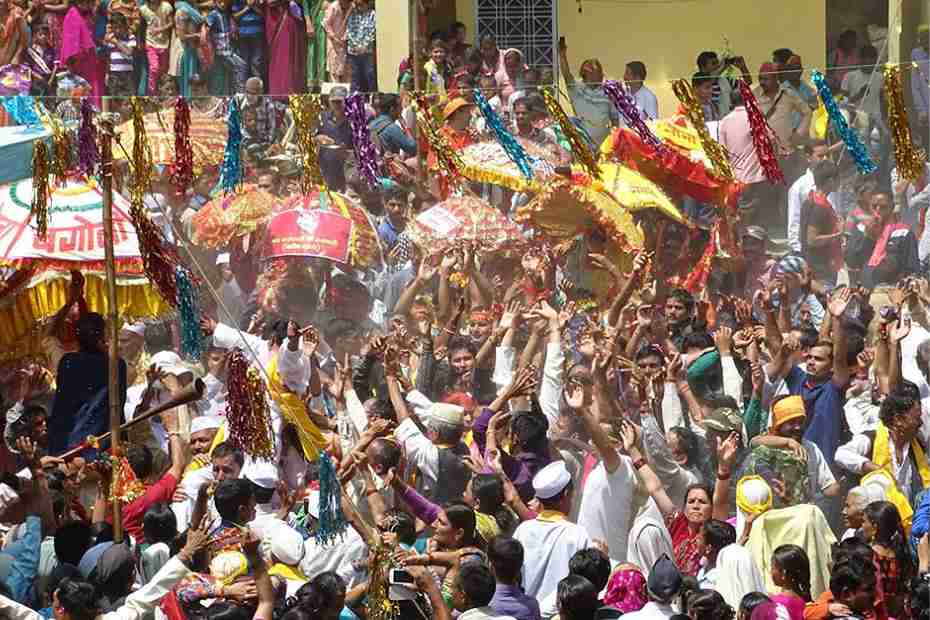
Once every twelve years, the mountains of Uttarakhand awaken to a rhythm older than memory. Conch shells echo through deep valleys, barefoot pilgrims trace ancient paths, and villages prepare to welcome not just travelers—but the living presence of the Goddess herself. This is the Nanda Devi Raj Yatra, one of the most profound spiritual pilgrimages in the Himalayas, where devotion, endurance, culture, and raw human emotion converge.
What follows is not just a description of a yatra, but a tapestry of lived moments—told through the voices, tears, exhaustion, and quiet joy of those who walked with Nanda Devi.
1. Village Welcomes: Where Strangers Become Family
As the yatra winds through remote Garhwal and Kumaon villages, every arrival feels ceremonial. Pilgrims are greeted with the haunting notes of dhol–damau, the air vibrating with rhythm and anticipation. Women in traditional attire perform aarti, rice grains pressed gently onto foreheads, while elders bow with folded hands as if greeting a long-awaited daughter.
In the village of Wan, a pilgrim from Almora recalled:
“I was a stranger, yet an old woman held my face, looked into my eyes, and said—‘You are tired, child. Come, eat first.’ I cried without knowing why.”
Homes open without question. Simple meals of mandua roti, ghee, and salt taste richer than any feast. At night, laughter mingles with stories of past yatras, reminding pilgrims that they are part of something far larger than themselves.
2. Scenic Stops: Meadows, Myths, and Mountain Silence
Bedni Bugyal
Emerging suddenly after days of forest trails, Bedni Bugyal feels unreal—an endless emerald meadow cradled by snow peaks. As the sun sets, the grass glows gold, and pilgrims often fall silent, overcome.
One yatri whispered:
“Here, I stopped chanting. Not because I forgot—but because the mountains were already praying.”
Roopkund Lake
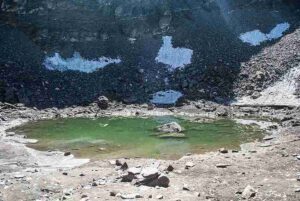
Higher still lies Roopkund, the legendary Skeleton Lake. Its icy waters reveal ancient human remains when the snow recedes—silent witnesses to a mystery still debated. Some say they were pilgrims caught in a storm, others believe they were cursed.
Standing at the edge, a young pilgrim shared:
“Fear came first. Then humility. Life is fragile. The Goddess doesn’t promise safety—only truth.”
The stark beauty of Roopkund strips away bravado, leaving only reflection.
3.The Climax at Homkund: Letting Go
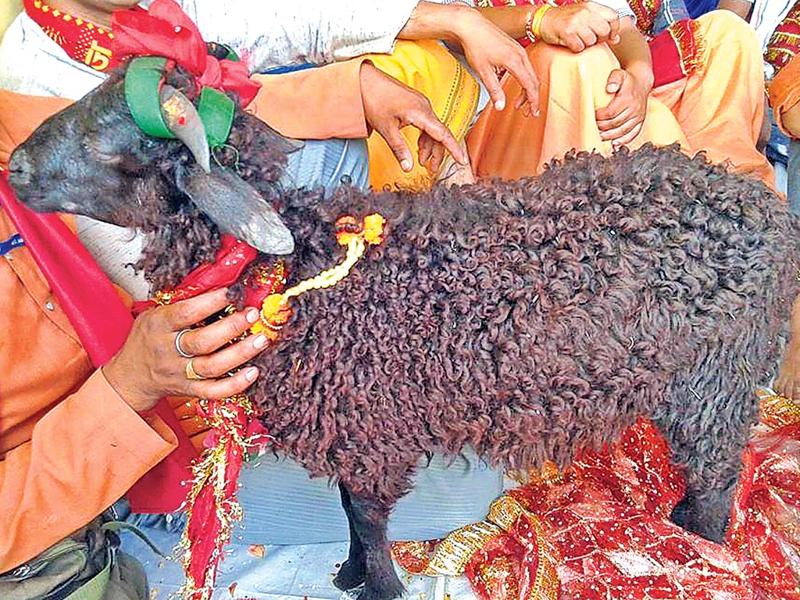
At last, the journey reaches its emotional and spiritual peak at Homkund. Here, amidst towering rock walls and thin air, the sacred ritual unfolds.
The Chausingya Medha—the four-horned ram believed to be blessed by the Goddess—is gently released into the wild. Drums fall silent. Many pilgrims weep openly.
A barefoot woman from Chamoli said:
“This is where I release my pride, my grief, my prayers. Watching the ram disappear… it felt like my burdens went with him.”
There is no celebration here—only stillness, surrender, and awe.
4. Challenges Faced: Pain as a Teacher
Snowstorms arrive without warning. Paths vanish. Breathing becomes labor. Many battle altitude sickness; others push through bleeding feet and aching knees.
A middle-aged pilgrim recalled collapsing near Pathar Nachauni:
“I wanted to quit. Then a stranger held my arm and said, ‘Walk for her, not for yourself.’ That carried me another day.”
The yatra tests not just the body, but resolve. And somehow, people keep going—together.
5. Spiritual Unity and Transformation
Barefoot walking is not mandated, yet many choose it. Each stone becomes an offering, each step a prayer. Differences of caste, age, gender, and region dissolve on the trail.
One first-time pilgrim reflected:
“I came asking for blessings. I left understanding devotion.”
By the end, many describe a quiet transformation—a softer ego, a deeper patience, a renewed faith in human kindness.
6. Cultural Vibrancy: Nights of Song, Ancestral Memory
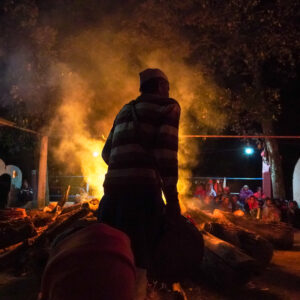
As night falls in village camps, jagars begin—hypnotic night chants invoking local deities and ancestral spirits. Flames flicker, voices rise, and time feels suspended.
These rituals bridge Garhwal and Kumaon, reminding pilgrims that the yatra is as much cultural as it is spiritual.
A participant shared:
“In the jagar, I felt my ancestors listening. This wasn’t a journey I walked alone.”
Walking Back Changed
The Nanda Devi Raj Yatra is not easy. It is not comfortable. And it is not meant to be.
It is a living river of faith—fed by pain, kindness, song, and silence. Those who return do so altered, carrying the mountains within them.
As one elderly pilgrim said softly at the end:
“The path ends. The journey doesn’t.”
