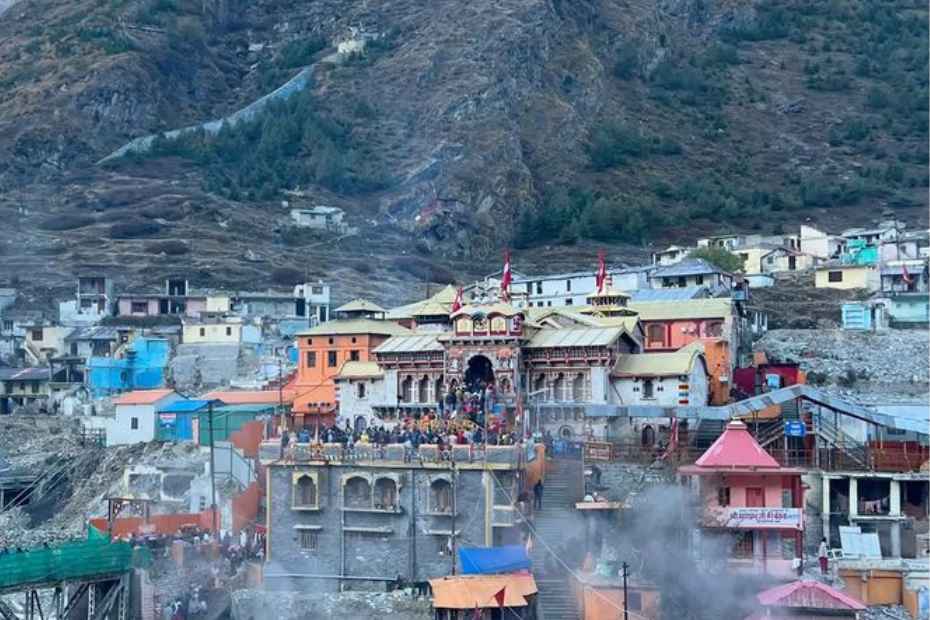
Planning your Badrinath opening date 2026 pilgrimage requires careful timing and preparation. According to official announcements, the sacred doors of Badrinath Dham will open at 6 AM on April 24, 2026, offering devotees their first opportunity of the year to seek blessings at this revered Himalayan shrine.
Situated at an impressive elevation of 10,279 feet between the majestic Nar and Narayan Mountain ranges, Badrinath is considered the most peaceful and sacred destination of the Char Dham Yatra. For this reason, understanding the badrinath timing is essential—morning darshan runs from 4:30 AM to 1:00 PM, while evening darshan takes place from 4:00 PM to 9:00 PM. Additionally, the announcement of the badrinath temple opening date 2026 typically occurs during Basant Panchami, which falls on January 23, 2026. In this comprehensive guide, we’ll share everything you need to know about planning your pilgrimage, including badrinath aarti timings, closing dates, and practical travel tips to ensure a spiritually fulfilling journey.
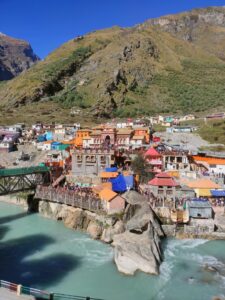
Badrinath Temple Opening Date 2026: What We Know So Far
The sacred portals of Badrinath Temple have officially been scheduled to open on April 23, 2026, at precisely 6:15 AM during the auspicious Brahma Muhurat. This eagerly anticipated announcement brings clarity for devotees planning their spiritual journey to one of India’s most revered pilgrimage destinations.
Expected date of opening in 2026
Following traditional rituals and Vedic ceremonies, temple authorities confirmed the Badrinath opening date 2026 on Basant Panchami (January 23). The shrine will welcome pilgrims with full religious fervor, as the deity returns from its winter abode. Notably, the temple will remain accessible for approximately six months before closing again for the harsh winter season.
The tentative closing date for Badrinath Temple in 2026 is expected to be around November 13. However, the exact closing date will only be announced on Vijayadashmi (Dussehra) later in the year, following established tradition.
How the date is decided on Basant Panchami
The announcement process follows centuries-old customs that honor the spiritual significance of this Himalayan shrine. Each year, on Basant Panchami, the Dimri priests carrying the sacred Gadu Ghada (ceremonial vessel) travel from Rishikesh to Narendra Nagar Royal Court. There, in the presence of Maharaja Manujendra Shah, special panchang (almanac) prayers determine the auspicious date.
This traditional gathering also establishes the dates for the Gadu Ghada and Tel Kalash (oil vessel) processions, which are integral to the temple’s reopening ceremony. In fact, these meticulous calculations ensure all religious protocols align perfectly with astrological considerations.
Why the opening date is important for planning
Understanding badrinath ke kapat kab khulenge (when the doors of Badrinath will open) is crucial for several practical reasons. First, officials from the Badrinath-Kedarnath Temple Committee have urged devotees to plan well ahead due to expected traffic and accommodation demand during peak pilgrimage season.
Moreover, this high-altitude Himalayan shrine presents unique challenges including weather considerations and limited services. The April opening date strategically coincides with improving weather conditions, making the journey safer and more comfortable for pilgrims.
For those wondering “is badrinath temple open now,” the temple remains closed during winter months when the area experiences heavy snowfall, making the opening ceremony in April even more significant for devotees planning their spiritual journey.
Spiritual and Cultural Significance of the Opening Ceremony
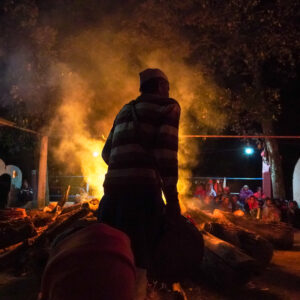
Beyond the mere calendar date, the Badrinath opening ceremony represents a profound spiritual revival that carries centuries of tradition and devotion. The elaborate rituals surrounding badrinath temple opening date 2026 transform it into a sacred spectacle that attracts thousands of faithful pilgrims.
The Gadu Ghada and Tel Kalash rituals
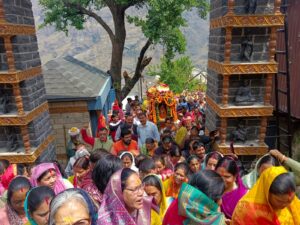
The spiritual preparations begin weeks before the actual opening with the significant Gadu Ghada ceremony, scheduled for April 7, 2026. This ancient tradition marks the official commencement of temple opening preparations. Under this tradition, married women from the Royal Family and Dimri Family extract sesame oil using traditional methods at the Royal Residence in Narendranagar.
This consecrated oil serves two essential purposes – it coats the statue of Lord Badrinath and fuels the Akhand Jyoti (eternal flame) that burns continuously in the temple. After extraction, the oil is carefully placed in a ceremonial pitcher called Gaadu Ghada, beginning its sacred journey through major Garhwal cities toward Badrinath Dham. This revered procession, known as Tel Kalash Yatra, culminates at the temple on the eve of its opening.
Transfer of deity from Joshimath
Throughout winter, as snow blankets the Himalayan shrine, Lord Badrinath resides at Narsingh Temple in Joshimath. This winter abode houses the deity safely while badrinath timing remains suspended until spring. On opening day, elaborate Vedic purification rituals occur at Joshimath before the deity begins its homeward journey.
The grand palanquin procession carrying Lord Badrinarayan makes a traditional stop at Pandukeshwar before reaching its summer residence. Upon arrival, priests conduct special religious services culminating in the formal placement of the deity within the main chamber, followed by a Maha Abhishek Puja signaling the official opening.
Why pilgrims attend the opening day
The reopening creates an extraordinary spiritual environment that many devotees consider especially auspicious. Pilgrims believe witnessing these sacred ceremonies:
- Brings divine blessings and washes away negative karma
- Offers rare spiritual energy during the first darshan of Lord Badri Vishal
- Creates a deeply immersive experience with Vedic chants, mantras, and ceremonial bells
The atmosphere becomes charged with devotion as thousands gather at dawn, creating a powerful collective spiritual experience. For devotees wondering “is badrinath open now,” these opening rituals mark the beginning of approximately six months when this celestial abode welcomes seekers before returning to its winter sanctuary.
Essential Timings and Seasonal Planning for Pilgrims
Successful pilgrimage to Badrinath depends significantly on understanding the temple’s schedule and seasonal conditions. Knowledgeable visitors strategically plan their journey for spiritual fulfillment without logistical challenges.
Badrinath darshan timings and aarti schedule
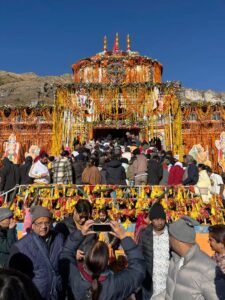
The temple opens for morning darshan from 4:30 AM to 1:00 PM and evening darshan from 4:00 PM to 9:00 PM. Early morning worship begins with Maha Abhishek and Abhishek Puja (4:30 AM to 6:30 AM), followed by general darshan starting at 7:00 AM. After midday closure for Bhog (1:00 PM to 4:00 PM), evening ceremonies commence, culminating in Shayan Aarti at 8:30 PM.
For devoted pilgrims, the evening aarti sequence includes Kapoor Aarti (6:00-6:10 PM), Chandi Aarti (6:15-6:30 PM), and Swaran Aarti (6:30-6:45 PM). These sacred rituals feature elaborate ceremonies where the deity is anointed with sandalwood paste later distributed to devotees.
Best months to visit for weather and crowd
The ideal pilgrimage window falls primarily between May to June and September to October when temperatures range from 7°C to 18°C. Throughout these periods, the climate remains moderate yet comfortable.
Essentially, summer (May-June) offers sunny days with pleasant temperatures, making it perfect for both darshan and exploring nearby attractions. Conversely, July through September brings monsoon conditions with frequent landslides that can complicate travel. Although October provides beautiful autumn views, temperatures begin dropping by November.
Is Badrinath open now? How to check live updates
To verify current temple status, pilgrims should visit the official Badrinath-Kedarnath Temple Committee website (badrinath-kedarnath.gov.in). This authoritative source provides real-time information about opening dates, registration availability, and any weather-related disruptions.
Furthermore, devotees unable to visit physically can experience live darshan through streaming services on religious channels like Aastha, Sanskar, and Bhakti TV. The official website offers “Yatra-2026” updates, emergency contact information, and health advisories vital for safe pilgrimage planning.
Planning Your Trip: Registration, Packages, and Travel Tips
Preparing for your sacred journey requires practical planning, beyond just knowing the badrinath opening date 2026.
How to register for Badrinath Yatra 2026
First, complete mandatory registration through the official portal: registrationandtouristcare.uk.gov.in. This free process helps authorities manage pilgrim flow and provide emergency assistance if needed. You can register through multiple channels:
- Online through the website
- Mobile app “Tourist Care Uttarakhand”
- WhatsApp by typing “Yatra” to +91-8394833833
- Calling the toll-free number: 0135-1364
Remember to carry your registration confirmation with QR code throughout your journey, as verification checks occur at multiple points.
Benefits of booking a tour package
Tour packages simplify logistics, particularly for solo travelers or elderly pilgrims. Packages typically include transportation, accommodation, meals, and guided assistance. Options range from budget tours starting at ₹14,599 for 3-night packages to premium helicopter services beginning at ₹85,000.
What to pack for high-altitude travel
Pack essentials for Badrinath’s challenging environment:
- Documents: Government ID, registration slip, booking receipts
- Clothing: Thermals, woolen layers, raincoat, sturdy trekking shoes
- Health items: Prescription medicines, altitude sickness medication (with doctor consultation), first-aid supplies
- Miscellaneous: Reusable water bottle, torch with batteries, portable charger
Nearby places to explore during your visit
Consider extending your trip to experience:
- Mana Village: The last Indian village before Tibet, featuring Vyas Gufa and Ganesh Gufa
- Valley of Flowers: A UNESCO World Heritage Site with exceptional biodiversity
- Auli: Premier skiing destination accessible via ropeway from Joshimath
- Vasudhara Falls: A sacred 400-foot waterfall reached by a 6km trek from Mana
