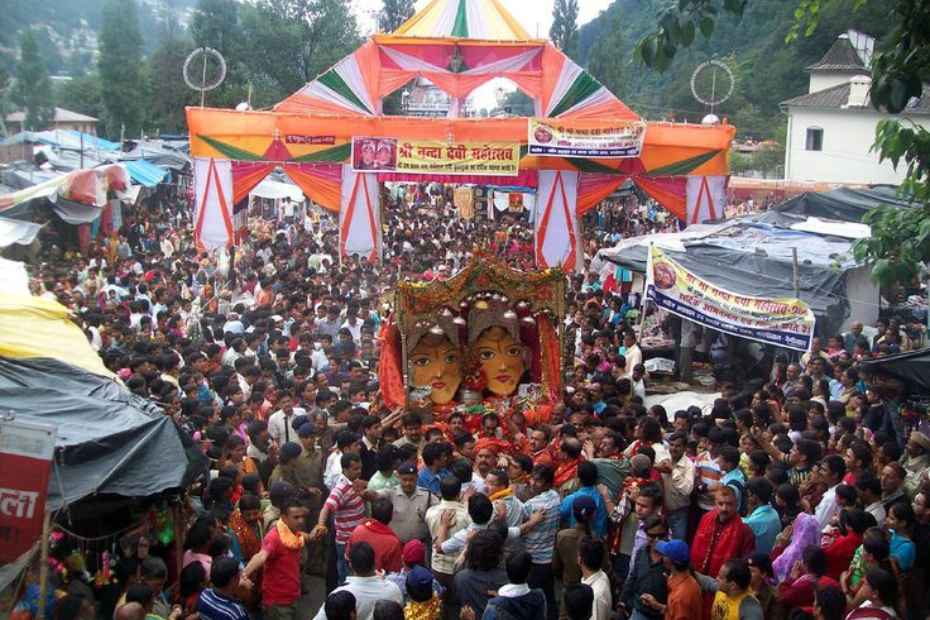
The Nanda Devi Raj Jat Yatra is not an event you simply attend—it is an experience you surrender to. Deep in the heart of the Garhwal Himalayas, this ancient pilgrimage unfolds like a sacred story passed from one generation to the next. For the people of Uttarakhand, especially the Garhwal region, Nanda Devi is not just a deity worshipped in temples; she is family. She is Maa.
Held once every 12 years, the Nanda Devi Yatra is among the longest, toughest, and most emotionally powerful pilgrimages in India. It blends mythology, spirituality, community, and nature into one extraordinary journey that tests the body and nourishes the soul.
Who Is Nanda Devi? Understanding the Heart of the Yatra
o understand the Nanda Devi Raj Jat Yatra, one must first understand Nanda Devi herself.
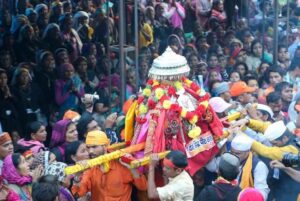
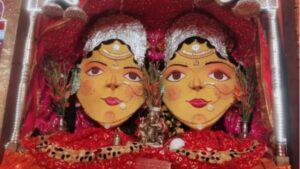
In Garhwali belief, Nanda Devi is an incarnation of Goddess Parvati and the reigning deity of the region. She is believed to reside near the sacred Nanda Devi Peak, one of India’s highest and most revered mountains. Locals see her as a daughter born in the Garhwal hills, who is ceremonially sent to her husband Lord Shiva’s abode during the Yatra.
This emotional narrative—of a daughter leaving her maternal home—forms the spiritual backbone of the Nanda Devi Yatra. It is why the pilgrimage feels deeply personal, almost familial, to every participant.
Ancient History and Origins of the Nanda Devi Raj Jat Yatra
The origins of the Nanda Devi Raj Jat Yatra go back more than 1,000 years, with strong links to the Katyuri kings who once ruled large parts of Uttarakhand. Historical references, folk ballads, and oral traditions confirm that the Yatra has survived invasions, political changes, and natural disasters—unchanged in its essence.
The word “Raj Jat” translates roughly to “royal procession”, emphasizing the grandeur and sacred responsibility associated with the journey. Traditionally, the Yatra is organized by the priestly families of Nauti village in Chamoli, under strict customs passed down through generations.
What makes the Nanda Devi Raj Jat unique is that it is not centered around one temple. Instead, the mountains themselves become the shrine.
The Sacred Route of the Nanda Devi Raj Jat Yatra
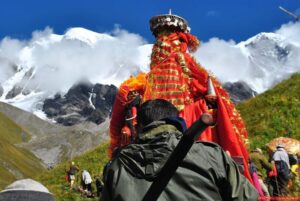
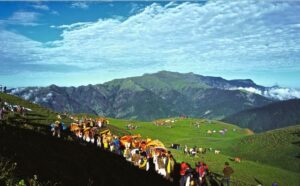
The Yatra covers a route of over 280 kilometers, starting from Nauti village and passing through some of the most remote and breathtaking Himalayan terrain. The journey winds through villages, forests, alpine meadows, and glacial landscapes before culminating near Roopkund–Homkund.
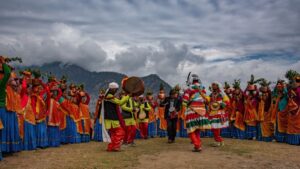
Along the way, dozens of villages join the procession, each bringing their local deities, songs, and traditions. This creates a moving river of faith that grows larger with every passing day.
Walking this route is physically exhausting—but devotees believe that Maa Nanda Devi herself gives strength to those who walk with true devotion.
Cultural Importance of the Nanda Devi Yatra in Uttarakhand
The importance of the Nanda Devi Yatra in local culture cannot be overstated.
-
Villages along the route treat the Yatra as a collective responsibility
-
Folk songs, dances, and rituals are revived only for this occasion
-
Elders pass down sacred stories to younger generations
-
Communities come together regardless of caste or social status
Spiritually, the Yatra is believed to bring balance—between humans and nature, between faith and responsibility, and between past and future.
The Nanda Devi Raj Jat Yatra in the Last 12 Years
The most recent grand Nanda Devi Raj Jat Yatra took place in 2014, and it marked a period of transformation.
Key changes over the last decade include:
-
Increased participation from pilgrims across India
-
Greater involvement of the Uttarakhand administration
-
Stronger safety measures after the 2013 floods
-
Growing awareness of environmental protection
Despite modernization, the heart of the Yatra remains unchanged—faith, endurance, and humility before the mountains of Uttarakhand.
Rituals and Sacred Practices of the Nanda Devi Raj Jat
Some rituals make this Yatra truly unique:
-
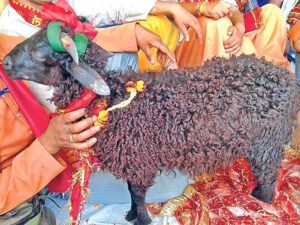
The Kans (four-horned ram): Considered divinely chosen, it leads the procession
-
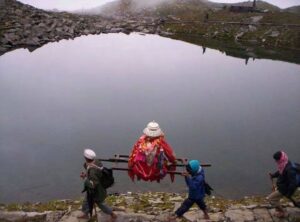
Chhatolis: Bamboo palanquins carrying village deities
-
Nishans: Sacred umbrellas symbolizing divine presence
-
Barefoot walking: A sign of surrender and devotion
Each ritual carries layers of symbolism that have survived centuries without written scriptures.
Human Stories from the Nanda Devi Yatra Path
Ask any pilgrim, and you’ll hear the same thing—the Yatra changes you.
Some walk to fulfill vows.
Some walk in memory of loved ones.
Some walk simply because their ancestors did.
Elderly villagers recall walking the Raj Jat as children, while young trekkers speak of learning patience, resilience, and respect for nature. Many say the physical hardship fades, but the emotional impact stays forever.
Challenges Facing the Nanda Devi Raj Jat Yatra Today
With time, challenges have grown:
-
Fragile Himalayan ecology under pressure
-
Waste management in high-altitude zones
-
Health risks due to extreme weather and altitude
-
Balancing tradition with crowd control
Thankfully, local communities, religious leaders, and authorities are now working together to protect the Yatra without diluting its soul.
Why Preserving the Nanda Devi Raj Jat Yatra Matters
The Nanda Devi Raj Jat Yatra is not just a religious event—it is a cultural archive, an ecological lesson, and a spiritual experience rolled into one.
Preserving it means:
-
Respecting indigenous traditions
-
Protecting Himalayan ecosystems
-
Educating visitors about responsible pilgrimage
-
Ensuring future generations can walk the same sacred path
If lost, it cannot be recreated.
A Journey That Lives in the Heart
The Nanda Devi Raj Jat Yatra reminds us that faith doesn’t always live in temples—it lives in footsteps, songs, shared hardship, and quiet prayers whispered to the mountains.
Whether you call her Nanda Devi, Raj Rajeshwari, or simply Maa, this Yatra continues to unite people across time, carrying devotion from village paths to snow-covered peaks.
