Why the height matters
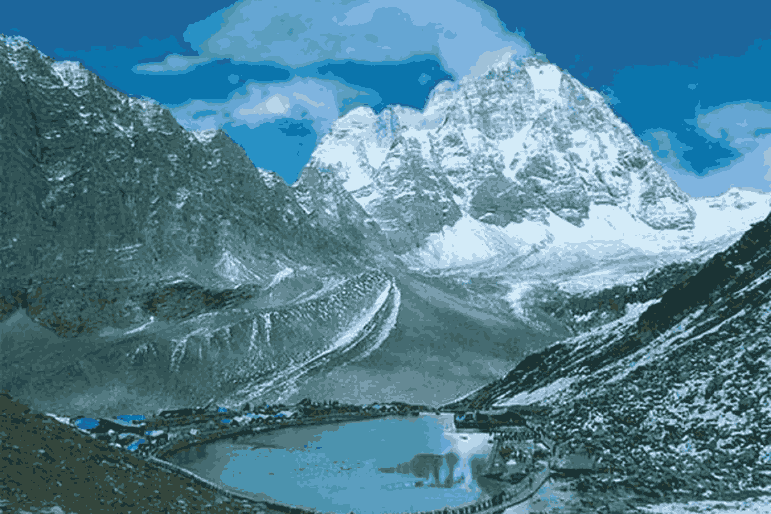
At the altitude of Manimahesh Lake, the environment changes dramatically. The air becomes thinner, temperatures drop quickly, and clouds drift so low that they often feel within reach. These natural conditions create a powerful atmosphere that many visitors describe as deeply spiritual, as if they are closer to the divine.
The towering presence of Manimahesh Kailash is central to its sacred identity. In Hindu belief, high and snow-covered mountains are considered the homes of gods, especially Lord Shiva. The steep, shining slopes of Kailash rise sharply above the lake, giving it the appearance of a divine throne. From certain angles, the peak seems to pierce the sky, making it one of the most visually striking mountains in the region.
The great height also brings harsh and unpredictable weather. Even during August, which is the peak pilgrimage season, snowfall can occur. Nights at the lake often drop below freezing, creating challenging conditions for visitors. Interestingly, this difficulty adds to the spiritual experience—many pilgrims see the journey as a test of faith and devotion, not just a physical trek.
Trekking at This Altitude
The journey to Manimahesh Lake usually begins from Hadsar, located at around 2,800 metres. From here, trekkers cover approximately 13 kilometres one way, gaining over 1,200 metres in elevation. This rapid ascent can lead to fatigue, breathlessness, or altitude sickness, especially for those not used to high altitudes.
The trek is generally considered moderate to difficult and becomes especially crowded during the annual Manimahesh Yatra, held between August and September. Thousands of devotees undertake this journey on foot, despite the steep climbs and changing weather.
While mules and horses are available for parts of the route, there are no motorable roads beyond Hadsar. This isolation, combined with the altitude, keeps the region raw and untouched. Unlike many other pilgrimage sites, Manimahesh still offers a pure Himalayan experience—where nature, spirituality, and endurance come together in a truly unique way.
Travel Tips & Safety
Planning your journey to Manimahesh Lake requires both physical preparation and awareness of high-altitude conditions. These simple tips will help ensure a safe and smooth experience:
- Start early:
Begin your trek early in the morning to avoid afternoon weather changes and to reach your destination before dark. - Avoid altitude rush:
Ascend gradually and take breaks, especially on the steep sections of the Manimahesh Yatra route. Sudden altitude gain can cause fatigue or sickness. - Stay hydrated:
Drink plenty of water throughout the trek. High altitude can lead to dehydration more quickly than expected. - Respect religious beliefs:
Manimahesh Kailash is considered sacred, associated with Lord Shiva. Follow local customs, avoid littering, and maintain the spiritual sanctity of the place.
Conclusion
Manimahesh Kailash is not just a destination—rather, it is a complete experience where nature, faith, and endurance come together in a powerful way. From the serene beauty of Manimahesh Lake to the towering presence of the sacred peak, every moment of the journey feels meaningful and unforgettable.
Whether you visit as a pilgrim seeking blessings of Lord Shiva or as a traveler exploring the Himalayas, the journey not only tests your strength but also rewards you with peace and awe-inspiring views. Along the way, the challenging trek, changing weather, and high altitude gradually become part of a deeper connection with nature and spirituality.
Ultimately, Manimahesh is not just about reaching a place—instead, it is about experiencing a journey that stays with you long after you return.
Frequently Asked Questions (FAQs)
1. What is the height of Manimahesh Lake?
Manimahesh Lake is located at an altitude of approximately 4,080 metres (13,386 feet) above sea level. This is a key highlight often mentioned in any Manimahesh trek guide.
2. What is the height of Manimahesh Kailash peak?
Manimahesh Kailash rises to about 5,656 metres (18,556 feet), making it one of the most prominent sacred peaks in the Himalayas.
3. Is the Manimahesh trek difficult?
The trek is considered moderate to difficult due to steep climbs, high altitude, and changing weather conditions along the Manimahesh Yatra route.
4. Can beginners do the Manimahesh trek?
Yes, beginners can complete the trek with proper preparation, steady pacing, and basic fitness. Many first-time trekkers successfully finish the journey every year.
5. What is the best time to visit Manimahesh?
The best time to visit is during August to September, when the Manimahesh Yatra takes place. Weather is relatively stable, and facilities are available for pilgrims.
6. How long does the Manimahesh trek take?
The trek usually takes 1–2 days one way, depending on your pace. Many pilgrims complete it with an overnight stay at Dhancho.
7. Is accommodation available on the route?
Yes, basic accommodation such as tents, dhabas, and camps are available during the Yatra season, especially at Dhancho and near the lake.
8. Are mules or horses available for the trek?
Yes, mules and horses are available from Hadsar for those who cannot walk the entire distance.
9. Is altitude sickness a concern?
Yes, due to the high Manimahesh Kailash height, some trekkers may experience breathlessness, headache, or fatigue. Proper acclimatization and hydration are important.
10. Is the Manimahesh trek safe?
The trek is generally safe during the Yatra season, but weather can change suddenly. It is advisable to follow local guidelines and avoid trekking alone in extreme conditions.
