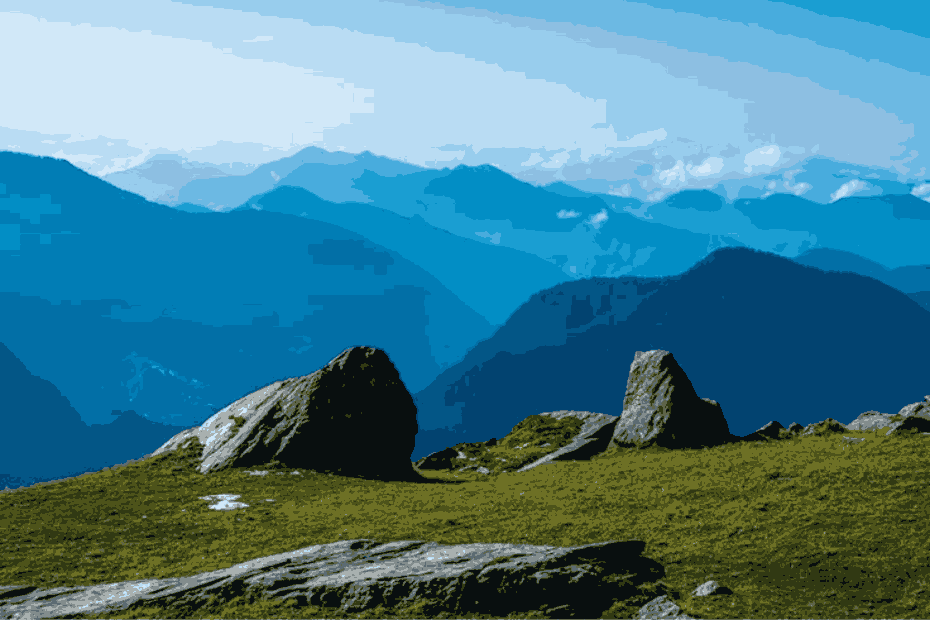
Munsiyari is a beautiful hill town located in the Kumaon region of Uttarakhand. Surrounded by snow-covered mountains, green valleys, forests, and waterfalls, Munsiyari is one of the best destinations for nature lovers, trekkers, photographers, and peace seekers. The town is especially famous for its stunning views of the Panchachuli peaks and its peaceful Himalayan atmosphere.
Munsiyari is also known as the gateway to popular glacier treks like Milam Glacier, Ralam Glacier, and Namik Glacier. Whether you want to enjoy mountain views, experience local culture, or explore adventure trails, Munsiyari offers a perfect Himalayan escape away from crowded tourist places.
March to June — The Sweet Spot for Most Travelers
This is widely regarded as the best time to visit Munsiyari, and for good reason. Days are bright and sunny with temperatures ranging between 10°C and 25°C, making it comfortable for outdoor activities without the extreme cold of winter or the rain-related disruptions of monsoon.
March and April are particularly special: rhododendrons (locally called Buransh) blanket the hillsides in deep crimson and pink, and the skies are clear enough to offer unobstructed views of the Panchachuli range. By May and June, the trails open up fully, making it peak season for trekkers heading towards Milam and Ralam glaciers, or those attempting the Khaliya Top trek.
Practical note: May and June see the highest tourist footfall. Book accommodations — especially homestays and popular guesthouses — well in advance during these months.
September to November — Clear Skies, Fewer Crowds
If you prefer your mountains without the peak-season rush, the post-monsoon window from late September to November is an excellent choice. The monsoon clouds clear away to reveal a freshly washed, intensely green landscape, and the air becomes crisp and clean. Temperatures range from 10°C to 15°C, ideal for trekking and photography.
October is widely considered the best month for unobstructed views of the Panchachuli peaks. The autumn light at this altitude is something photographers in particular should not miss. Local harvest festivities also take place during this period, offering a glimpse into the cultural life of communities like the Shaukas and Bhutias who call this region home.
December to February — For Snow Enthusiasts Only
Winter in Munsiyari is not for the faint-hearted, but if snowfall is what you’re after, this is your season. Snowfall typically begins in late November or December and continues through February. Temperatures regularly drop below zero, and sub-zero conditions are common in January.
The upside: hotel rates drop significantly, tourist numbers are low, and the snow-covered Panchachuli peaks present a visual that’s hard to match. Skiing at Betulidhar, about 7 km from town, is possible during this period. However, heavy snowfall can cause road closures — particularly at Kalamuni Top — so always check road conditions with your accommodation before starting your journey.
July to Mid-September — Approach with Caution
The monsoon season brings dramatic greenery and roaring waterfalls, but also significant risks. Landslides are frequent and can make the steep, winding roads to Munsiyari dangerous or inaccessible for days at a time. Visibility drops considerably, limiting mountain views. Most experienced travelers advise avoiding this window unless you’re specifically seeking solitude and are prepared for weather-related disruptions.
Munsiyari Distance from Delhi
Munsiyari is approximately 600 to 650 kilometres from Delhi by road. This is not a journey you can complete comfortably in a single day. The route involves fast national highways for the first few hours, transitioning into winding mountain roads as you climb into the Kumaon hills. Most travellers break the journey overnight at a midpoint — Almora and Chaukori are the most popular halts — before completing the final stretch to Munsiyari the next day.
Plan for a minimum of 4 to 5 days for the full trip from Delhi, including one travel day in each direction and 2 to 3 days in Munsiyari itself. If you plan to do glacier treks, add at least 8 to 10 more days.
How to Reach Munsiyari from Delhi
By Train + Road
Take an overnight train from Delhi to Kathgodam Railway Station (Station Code: KGM). Well-known options include the Ranikhet Express (15013), which departs Delhi around 10:00 PM and reaches Kathgodam early the following morning. From Kathgodam, hire a private taxi directly to Munsiyari. The road journey from Kathgodam takes approximately 9 to 10 hours. This combination saves you the fatigue of driving across the plains and is both economical and reliable.
By Road
The road route to Munsiyari is Delhi → Ghaziabad → Moradabad → Haldwani → Almora → Bageshwar → Thal → Birthi Falls → Munsiyari. Travelers should start early from Delhi to avoid traffic and can stay overnight at Almora or Bageshwar during the journey. The final road to Munsiyari has several sharp mountain turns, so careful driving is important. Private taxis from Haldwani or Kathgodam are also available.
By Air
The nearest airport is Pantnagar (approximately 310 km from Munsiyari), which has regular flights from Delhi. From Pantnagar, you’ll still need a road journey of 10 to 11 hours. Some travellers break this into two days, staying overnight at Chaukori or Bageshwar. Additionally, the Uttarakhand government operates a helicopter service from Haldwani (Gaulapar Helipad) to Munsiyari, which can significantly reduce travel time — worth checking for availability and current schedules.
Kathgodam to Munsiyari Distance and What to Expect
The distance from Kathgodam to Munsiyari is approximately 275 kilometres, and the drive typically takes 9 to 10 hours depending on road conditions, stops, and the time of year. Don’t let the distance fool you — mountain roads are slow and demanding compared to highway driving.
The route from Kathgodam passes through Haldwani, Almora, Bageshwar, and Thal, with increasingly dramatic scenery as you gain elevation. Birthi Falls, a short detour along the way, is worth a stop. The final approach to Munsiyari through the Kalamuni Top ridge provides your first sweeping views of the Panchachuli peaks — a moment most first-time visitors describe as unforgettable.
Shared jeeps are available from Kathgodam to Almora and onward, for those travelling on a tighter budget. A shared taxi from Kathgodam to Munsiyari costs approximately ₹600 to ₹800 per person (verify current rates before travel, as they vary seasonally).
Permit note: No permit is required to visit Munsiyari town or its nearby sightseeing spots. However, inner line permits are mandatory for glacier treks like Milam, Ralam, and Namik. These can be obtained from the SDM office in Munsiyari.
Conclusion
For most travelers, the best time to visit Munsiyari is from March to June. During these months, the weather remains pleasant, the skies are clear, and the mountain views are at their best. It is also a great time for sightseeing, trekking, and photography.
Travelers looking for fewer crowds and fresh post-monsoon views can plan their trip between October and early November. The weather stays cool and the Himalayan peaks look especially clear during this time.
Winter months from December to February bring snowfall and beautiful snowy landscapes, but temperatures become extremely cold. Monsoon season from July to mid-September is generally not recommended because heavy rainfall can cause landslides and roadblocks in the mountain region.
No matter when you visit, Munsiyari offers peaceful Himalayan beauty and unforgettable mountain experiences.
