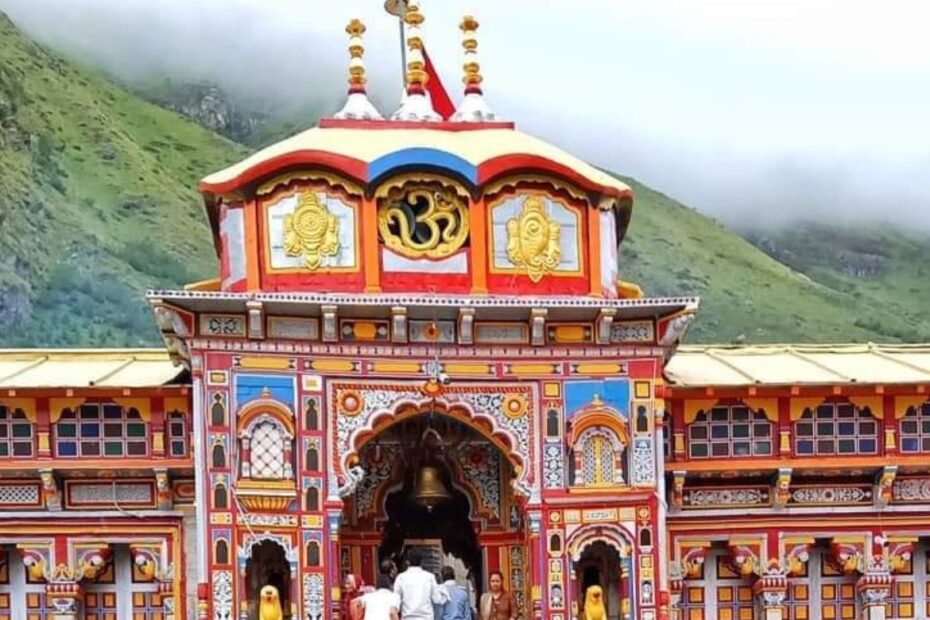
The journey from Haridwar to Badrinath Temple is one of the most sacred pilgrimages in India and forms an essential part of the Char Dham Yatra. It is not just a physical route through the Himalayas, but a deeply spiritual ascent that takes travelers from the holy plains of the Ganga into the high-altitude mountains, where nature, devotion, and endurance come together.
This route is, in fact, followed by lakhs of pilgrims every year, and it holds both deep religious and cultural importance in Hindu tradition. Moreover, along the way, travelers pass through sacred river confluences, ancient towns, and spiritually significant landscapes that gradually prepare them for the final darshan of Lord Vishnu at Badrinath Temple.
As the journey progresses, each stop naturally adds to the spiritual experience, while also helping pilgrims adjust to the changing terrain and altitude. In addition, the route itself becomes a form of gradual preparation—both physically and mentally—for the final destination.
Below, therefore, is a detailed, section-by-section guide that clearly explains the route, major halts, travel conditions, and spiritual significance of this sacred Himalayan journey.
Starting Point: Haridwar – The Gateway to the Himalayas
Haridwar is considered one of the seven holiest cities in Hinduism. It is the place where the Ganga enters the plains.
What happens here before the journey:
- Pilgrims take a holy dip in the Ganga at Har Ki Pauri
- Evening Ganga Aarti marks spiritual preparation
- Last shopping for essentials (rosary, woolens, offerings)
- Registration for Char Dham Yatra (during peak season)
This is where the mindset shifts from daily life to pilgrimage.
Haridwar to Rishikesh – Transition from Plains to Hills (25 km)
The first short drive takes you to Rishikesh, known as the Yoga Capital of the World.
Key features:
- Smooth roads and river views along the Ganga
- Entry point of Himalayan foothills
- Yoga centers and spiritual atmosphere
Why this stop matters:
- Final rest before mountain travel begins
- Many pilgrims stay overnight for acclimatization
- Food and transport facilities are easily available
Rishikesh to Devprayag – Sacred River Confluence (70 km)
This stretch follows the Ganga upstream into the mountains.
Major highlight: Devprayag
At Devprayag:
- Bhagirathi + Alaknanda rivers merge
- The river officially becomes “Ganga”
- Considered one of the most sacred confluences in India
Travel experience:
- Narrow winding roads begin
- Deep valleys and river views
- Increased spiritual atmosphere
Devprayag to Srinagar – Garhwal Region Hub (35 km)
Srinagar (Garhwal) is an important stopover town.
Facilities available:
- Hotels and guest houses
- Medical stores and fuel stations
- Road connectivity for emergencies
Importance for pilgrims:
- Rest and meal break point
- Weather and road updates before continuing
Srinagar to Rudraprayag – Rivers and Valleys (33 km)
This stretch becomes more mountainous and scenic.
Key highlight: Rudraprayag
Here:
- Mandakini + Alaknanda rivers meet
- Surrounded by steep cliffs and temples
Travel conditions:
- Narrow roads with sharp turns
- Landslide-prone during monsoon
- Increased travel caution required
Rudraprayag to Joshimath – High Mountain Ascent (110 km)
This is one of the most crucial and longest stretches.
Joshimath is the main base before Badrinath.
What to expect:
- Steep climbs and sharp curves
- Reduced oxygen levels (high altitude effect)
- Cold weather even in summer
Why Joshimath is important:
- Rest and acclimatization point
- Last major town with full facilities
- Starting base for trekking routes like Valley of Flowers
Joshimath to Badrinath – Final Sacred Stretch (45 km)
The final road leads directly to Badrinath Temple.
Road conditions:
- Narrow but well-paved mountain roads
- Snow-capped peaks visible throughout
- Sudden weather changes possible
Spiritual feeling:
- Strong sense of nearing pilgrimage completion
- Neelkanth peak becomes visible
- Devotional atmosphere increases significantly
Badrinath Temple – The Final Destination
Badrinath Temple is dedicated to Lord Vishnu and is one of the most important Char Dham sites.
Religious significance:
- Believed to grant moksha (liberation)
- Associated with Lord Vishnu’s meditation form
- Revived by Adi Shankaracharya
Temple experience:
- Morning and evening aarti ceremonies
- Holy Tapt Kund (hot spring) bath before darshan
- Long queues during peak season
- Strong spiritual atmosphere
Best Time to Travel
- May–June: Temple opening season, pleasant weather
- September–October: Clear skies, fewer crowds
- Avoid July–August: Heavy rains and landslides
Transport Options from Haridwar
1. Road Travel (Most Common)
- Government buses
- Shared taxis
- Private vehicles
2. Guided Pilgrimage Tours
- Char Dham Yatra packages
- Includes accommodation + meals + transport
3. Helicopter Services (Limited)
- Available from select locations
- Expensive but time-saving option
Important Travel Tips
To begin with, start early every day to avoid road delays and possible traffic congestion in the mountains. Moreover, early travel helps you reach your next stop safely before weather conditions change.
In addition, carry warm clothes even in summer, as temperatures can drop suddenly at higher altitudes.
Furthermore, it is advisable to keep sufficient cash with you, since ATMs are limited in the hill regions.
At the same time, regularly monitor weather updates and road conditions to avoid unexpected landslides or route closures.
Finally, stay well-hydrated throughout the journey and, equally important, avoid overexertion to maintain your energy during the high-altitude travel.
