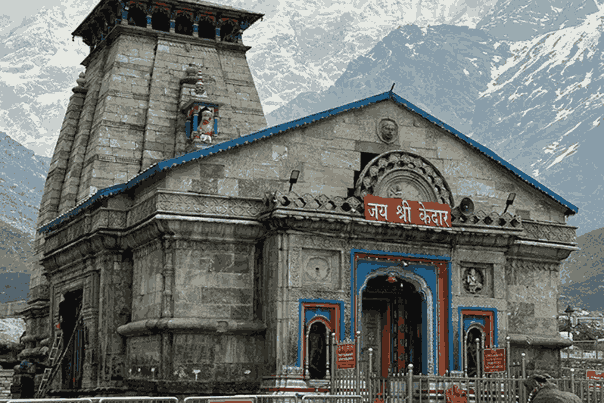
The journey from Badrinath Temple to Kedarnath Temple is one of the most spiritually significant routes in the Char Dham Yatra. While many pilgrims search for the exact Badrinath to Kedarnath distance, the journey is not a direct road connection but a long Himalayan route that passes through deep valleys, sacred river confluences, and high-altitude towns.
In reality, the travel involves a combination of road journeys and trekking, covering approximately 220–250 km by road (indirect route) and an additional 16–18 km trek to reach Kedarnath. Along the way, pilgrims pass through important spiritual stops like Joshimath, Rudraprayag, and Guptkashi, each adding meaning and preparation for the final darshan.
This route is not just about distance—it is a gradual spiritual transition from the peaceful hills of Badrinath to the powerful Himalayan shrine of Kedarnath, making it one of the most meaningful pilgrimage experiences in India.
Complete Badrinath to Kedarnath Route Map
Full Route:
Badrinath Temple → Joshimath → Karnaprayag → Rudraprayag → Guptkashi → Sonprayag → Gaurikund → Kedarnath Temple
Badrinath to Joshimath (45 km) – First Descent
Travel Time:
2–3 hours
Route Details:
- Smooth mountain road
- Snow-covered Himalayan peaks visible
- Alaknanda river flows alongside
Travel Importance:
Joshimath is the first major stop after Badrinath and a key resting point.
Facilities:
- Hotels and dharamshalas
- Medical support
- Transport availability
Joshimath to Rudraprayag (140 km) – Long Mountain Drive
Travel Time:
5–7 hours
Route Experience:
- Narrow winding roads
- Deep valleys and river crossings
- Occasional landslide zones (monsoon risk)
Highlight:
The Alaknanda River remains a constant companion throughout the journey.
Rudraprayag to Guptkashi (80 km) – Valley Transition
Guptkashi is a major stop for Kedarnath pilgrims.
Travel Time:
3–4 hours
Importance:
- Gateway to Kedarnath Valley
- Last major town with good hotels
- Helicopter booking services available nearby
Spiritual Significance:
Pilgrims often rest here before starting the Kedarnath trek journey.
Guptkashi to Sonprayag (30 km) – Entry to Restricted Zone
Travel Time:
1–2 hours
Key Rule:
Private vehicles are not allowed beyond Sonprayag
What happens here:
- Parking for private vehicles
- Shuttle jeeps to Gaurikund
- Trek preparation begins
Sonprayag to Gaurikund (5 km) – Trek Base Start
Travel Time:
20–30 minutes (shared jeep)
Gaurikund is the official starting point of Kedarnath trek.
Importance:
- Sacred hot water spring (Gauri Kund)
- Trek registration and final preparation
Gaurikund to Kedarnath Trek (16–18 km)
This is the most important and challenging part of the journey.
Trek Options:
- Walking (8–12 hours)
- Pony/mule service
- Palki (doli service)
- Helicopter (from nearby helipads)
Route Highlights:
- Rambara (midway rest point)
- Lincholi (high altitude camp)
- Kedarnath base camp
Conditions:
- Steep uphill climb
- Cold temperature even in summer
- Oxygen level reduces with altitude
Finally, pilgrims reach Kedarnath Temple.
Kedarnath Temple – Final Destination
Kedarnath Temple is one of the 12 Jyotirlingas of Lord Shiva.
Religious Importance:
- Dedicated to Lord Shiva
- Part of Char Dham Yatra
- Believed to remove sins and grant moksha
Temple Experience:
- Morning and evening aarti
- Cold Himalayan atmosphere
- Devotional chanting and spiritual energy
Helicopter Option (Fastest Route)
For pilgrims traveling between Badrinath Temple and Kedarnath Temple region (especially the Kedarnath side journey), the helicopter service is the fastest and most convenient option to reduce long travel and trekking time.
Available From
Helicopter services to Kedarnath Temple are mainly operated from:
- Guptkashi – Major booking and boarding point
- Phata – Most popular and frequently used helipad
- Sersi – Alternative boarding location with good connectivity
These locations act as key gateways for aerial access to Kedarnath.
Key Benefits
- Saves 8–10 hours of trekking time, making the journey much faster
- Ideal for elderly pilgrims and those with health concerns
- Reduces physical strain caused by high-altitude trekking
- Comfortable and time-efficient travel option during peak season
- Offers aerial views of the Himalayas, enhancing the experience
Best Time to Travel
Choosing the right time for the journey between Badrinath Temple and Kedarnath Temple is very important for safety, comfort, and a smooth pilgrimage experience.
May to June – Peak Pilgrimage Season
During this time, the temples open for devotees, and the weather is generally pleasant.
- Temperatures are moderate in most regions
- Roads are open and well-managed
- Helicopter and trekking services are fully operational
- Ideal for first-time pilgrims
However, this is also the busiest season, so advance booking is highly recommended.
September to October – Best time
This is often considered the best time to travel.
- Clear skies and stunning Himalayan views
- Less crowd compared to peak season
- Calm and peaceful pilgrimage atmosphere
- Comfortable trekking conditions
In addition, post-monsoon freshness makes the landscape more scenic.
July to August – Avoid (Monsoon Season)
This period is generally not recommended for travel.
- High risk of landslides and roadblocks
- Heavy rainfall in mountain regions
- Delays in transportation
- Trekking becomes difficult and risky
Therefore, most pilgrims avoid planning their journey during these months.
Important Travel Tips
- Start early from each location
- Carry warm clothes (temperature drops quickly)
- Keep cash (limited ATMs in mountains)
- Book hotels in advance during peak season
- Use proper trekking shoes for Kedarnath
- Stay hydrated during high-altitude travel
Conclusion
In conclusion, the journey from Badrinath Temple to Kedarnath Temple is far more meaningful than simply understanding the Badrinath to Kedarnath distance. Rather, it represents one of the most sacred and transformative Himalayan pilgrimages in India.
As the route unfolds step by step, each stage—from the mountain town of Joshimath to the resting point of Guptkashi, and finally the challenging Kedarnath trek—gradually adds layers of spiritual depth, physical endurance, and emotional reflection. Moreover, every halt along the way prepares pilgrims not only for the next stretch of travel but also for inner growth and patience.
Ultimately, this journey goes beyond geography and transportation. Instead, it becomes a moving experience of devotion, where faith meets the Himalayas and every kilometer brings a deeper sense of connection. In the end, the pilgrimage transforms into devotion in motion through the heart of the mountains.
FAQs – Badrinath to Kedarnath Journey
1. What is the Badrinath to Kedarnath distance?
The Badrinath to Kedarnath distance is approximately 220–250 km by road (indirect route) plus a 16–18 km trek from Gaurikund to Kedarnath Temple.
2. Is there a direct road from Badrinath to Kedarnath?
No, there is no direct road connection between Badrinath Temple and Kedarnath Temple. The journey requires traveling through multiple towns like Joshimath, Rudraprayag, and Guptkashi.
3. How much time does it take to travel from Badrinath to Kedarnath?
The journey usually takes 10–16 hours of road travel, plus 8–12 hours of trekking depending on fitness level and weather conditions. Most pilgrims complete it in 2–3 days.
4. What is the main route from Badrinath to Kedarnath?
The main route is:
Badrinath → Joshimath → Karnaprayag → Rudraprayag → Guptkashi → Sonprayag → Gaurikund → Kedarnath
5. Which is the best time to travel from Badrinath to Kedarnath?
The best time is:
- May to June (temple season, good weather)
- September to October (clear skies, fewer crowds)
Avoid July–August due to heavy rainfall and landslides.
6. Is the Kedarnath trek difficult?
Yes, the trek from Gaurikund to Kedarnath is moderate to difficult due to:
- Steep uphill climb
- High altitude
- Cold weather
However, pony, palki, and helicopter options are available.
7. Are helicopter services available?
Yes, helicopter services are available from Guptkashi, Phata, and Sersi for reaching Kedarnath Temple. They significantly reduce travel time.
8. What are the main stops on the route?
Important stops include:
- Joshimath
- Rudraprayag
- Guptkashi
- Sonprayag
- Gaurikund
9. Is registration required for this journey?
Yes, pilgrims must complete Char Dham Yatra registration before visiting Kedarnath Temple and other pilgrimage sites.
10. What should I carry for the journey?
Carry:
- Warm clothes
- Rain protection
- Trekking shoes
- Cash (limited ATMs)
- Medicines and hydration supplies
